Cart
0
Introduction
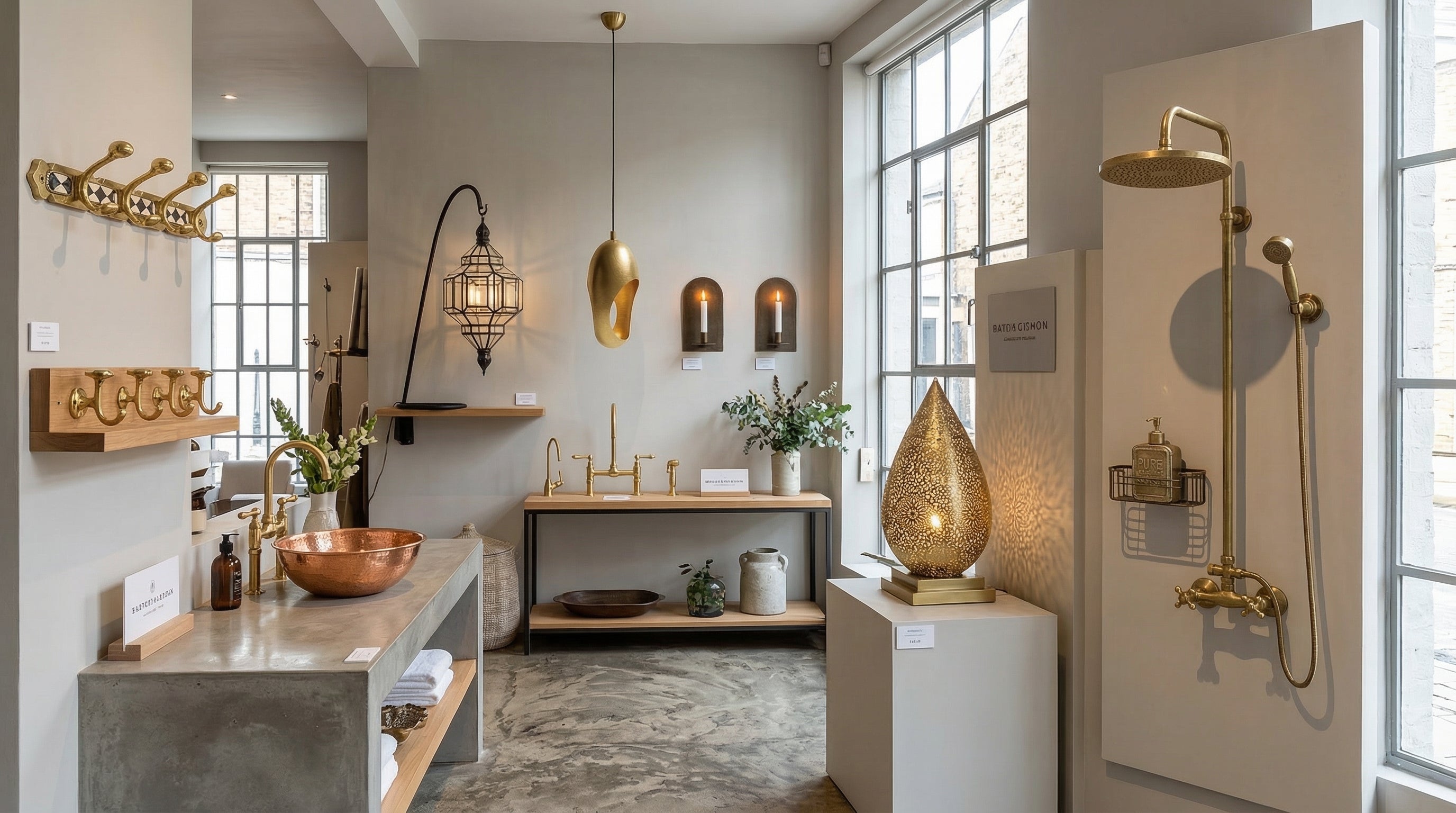
There is a hush that falls when a handmade piece enters a room. The surface tells a story; the light it throws has a gentle cadence, almost musical. Among the most evocative objects for creating this feeling is hand-hammered brass lighting—fixtures worked slowly and precisely by Moroccan artisans until the metal itself seems to breathe. In Mediterranean interiors, where sun-washed walls meet earthy floors and time-worn textures, these luminous accents are more than decor. They are the punctuation that makes the whole sentence sing.
This guide explores how to choose, style, and care for hand-hammered brass lighting, with a focus on authentic Moroccan craftsmanship and the layered warmth of Mediterranean homes. From the subtleties of patina to the poetry of perforated light, consider this your companion to living beautifully with brass.
Table of Contents
- What Is Hand-Hammered Brass Lighting?
- The Mediterranean Mood: Why Brass Belongs
- How to Recognize Quality
- Styles That Suit: Pendants, Sconces, and Lamps
- Layering Light, Room by Room
- Finish, Care, and the Beauty of Patina
- Proportion, Placement, and Hanging Heights
- Patterns of Light: Shadowplay and Atmosphere
- Sustainability and Cultural Stewardship
- A Buyer’s Checklist
- FAQ
- Conclusion
What Is Hand-Hammered Brass Lighting?
Hand-hammered brass lighting is made from sheets of brass shaped and textured by artisan metalworkers using hammers, stakes, and anvils. Each tap raises or refines the form, compressing the metal’s surface, strengthening it, and giving it a rippling, tactile grain. Unlike pressed or cast pieces, hand-hammered fixtures are alive with micro-variations—imperfections that, together, read as soul.
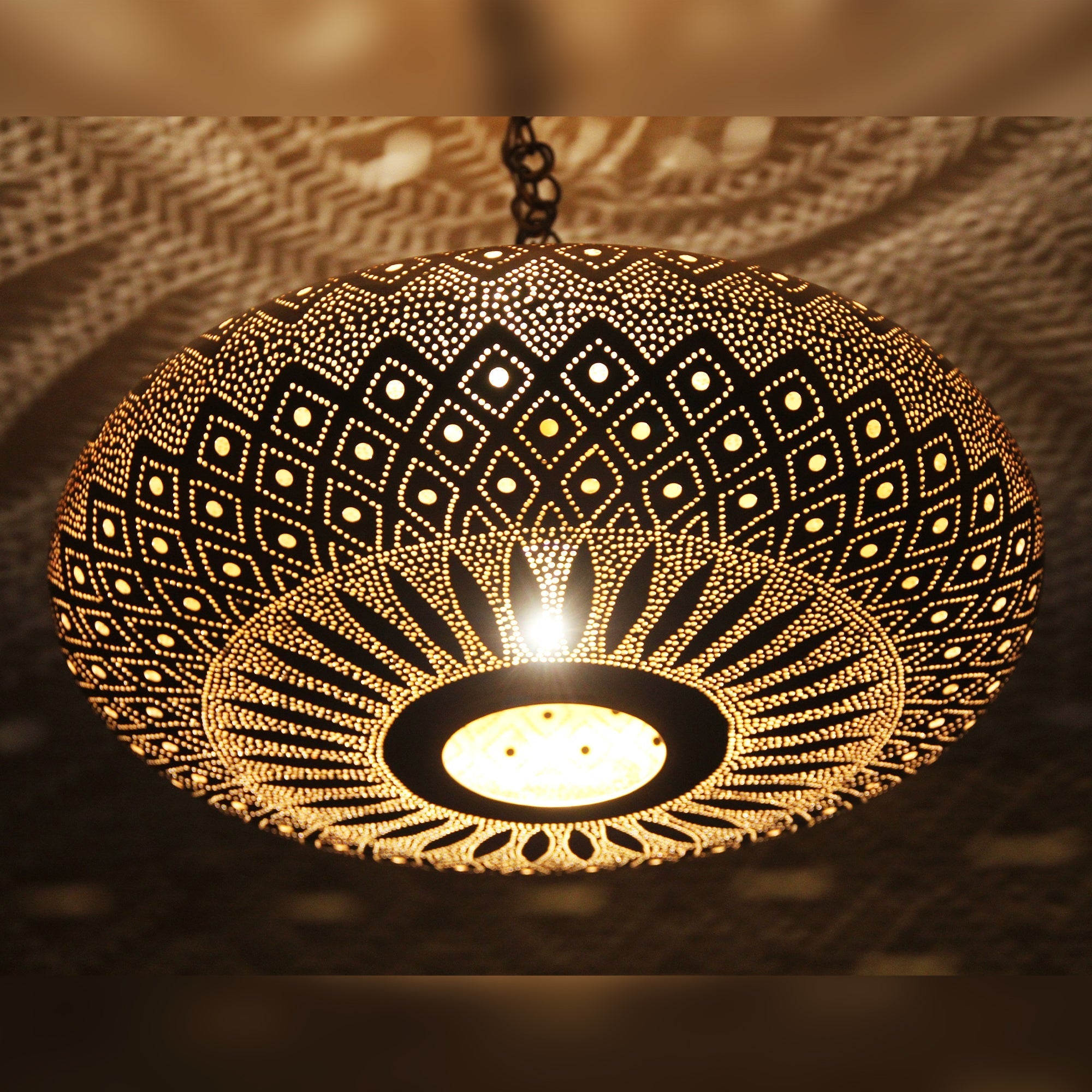
Moroccan makers are particularly celebrated for this craft. The tradition draws from centuries of Moorish metalwork, blending structural skill with lyrical surface patterns. Some fixtures feature smooth, undulating planes that reflect light like water; others are pierced with intricate motifs that throw filigreed shadows across walls and ceilings, turning a room into an evening garden.
The Mediterranean Mood: Why Brass Belongs
Mediterranean homes pair simple, honest materials—limewash, tadelakt, clay tile, carved stone—with generous daylight. Brass brings a complementary warmth to this palette, bridging indoor and outdoor sensibilities. In the afternoon, brass fixtures hold the sun’s last glow; after dusk, they radiate a soft amber, rich but never harsh. The result is an atmosphere that feels both grounded and celebratory.
Brass also harmonizes with the Mediterranean love of patina. As the metal ages, it deepens in tone, developing a character that honors time. Where chrome or high-gloss finishes can feel brittle, brass grows more nuanced with use—a perfect companion to homes meant to be lived in, not merely looked at.
How to Recognize Quality
Not all brass fixtures are equal. To invest wisely, attend to these details:
- Material integrity: Seek solid brass, not brass-plated steel or zinc. Solid brass is heavier, gains a luminous patina, and can be polished back if desired.
- Hammering and finish: Consistent, even hammer marks signal careful handwork. Look for subtle variance rather than machine-perfect repetition.
- Perforation precision: If a fixture includes cutouts, examine the edges. Clean, deburred openings suggest high craftsmanship and safer handling.
- Joinery and seams: Quality pieces have neat soldering, aligned seams, and a smooth interior—especially on pendants and bowls where light reveals everything.
- Wiring and safety: Confirm proper voltage and certification for your region, and choose damp-rated components for bathroom zones.
- Finish type: Understand whether the piece is unlacquered (a living finish that will patinate) or lacquered (more stable tone, less patina). Both are excellent choices; the right one depends on your aesthetic and maintenance preferences.
Styles That Suit: Pendants, Sconces, and Lamps
The beauty of hand-hammered brass lighting is its range—sculptural pendants, poetic wall lights, and grounded table lamps that feel like jewelry for the room.
Pendants that anchor the room
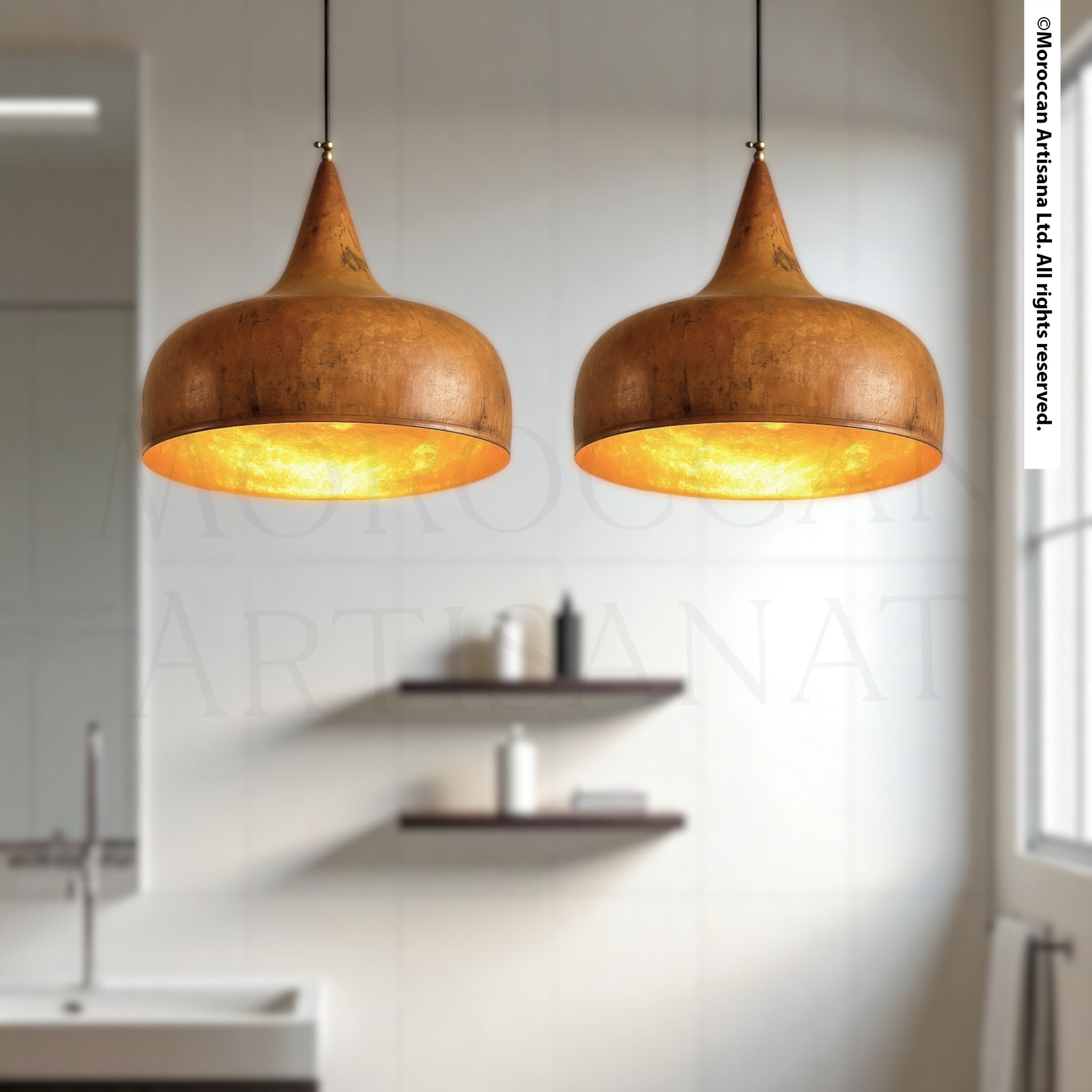
Over dining tables, entries, and vaulted hallways, pendants create a focal point while leaving sightlines open. Dome and onion silhouettes echo classic Moorish forms, while elongated teardrops feel elegant above intimate seating areas. For a ceiling statement with dimensional texture, explore our Moroccan ceiling lights—each one designed to glow, not glare.
Sconces that sculpt the walls
Wall lights are the secret to mood. Set at eye level, they graze plaster with a warm sheen and add rhythm to corridors or staircases. Pairing two or three along a hallway can replace a single ceiling fixture, inviting a slower, more gracious pace. Consider the refined forms in our brass wall sconces collection for layered, intimate illumination.
Table lamps that bring the glow close
On consoles, desks, and bedside tables, table lamps offer immediate ambiance. A hand-hammered base topped with a linen shade softens light for reading and conversation. Browse our curated brass table lamps to add luminous accents to nooks and corners that feel unfinished.
Task lighting for kitchens
In culinary spaces, brass pendants balance function with beauty, providing warm, flattering light while celebrating texture. For height-adjustable and proportionally balanced choices, explore our dedicated edit of brass kitchen island lighting, designed to pair gracefully with stone, wood, and zellige tile.
Layering Light, Room by Room
Exceptional lighting design blends ambient, task, and accent sources so a space can move from lively to serene with a dimmer’s touch. Here is a Mediterranean-minded blueprint.
Entry and hallway
Welcome with a pendant that reflects softly onto floors and walls. Complement it with a pair of sconces that echo the pendant’s finish without matching it too literally. The goal is punctuation, not uniformity. If the hallway is narrow, choose shallow-profile fixtures and keep finishes warm to prevent glare.
Living room
Begin with a central pendant or two smaller pendants staggered for depth. Layer with wall lights that graze architectural details—arched niches, carved stone mantels, or textured plaster. Add table lamps near seating for intimacy and balance. Mixed heights ensure the eye travels comfortably around the room.
Kitchen
Over an island, three smaller pendants or two substantial ones provide rhythmic balance. Task lighting under cabinetry can be minimalist, allowing the brass pendants to sing. Keep bulb temperatures around 2700–3000K to flatter natural materials and food alike. Our edit of brass kitchen island lighting offers proportionally varied silhouettes so you can scale to the island length without visual clutter.
Bedroom
Swap bulky bedside lamps for wall-mounted sconces to free the nightstand. Choose shielded shades or perforated patterns that diffuse light rather than spotlight it. A small pendant centered over a seating nook can be a gentle, romantic touch—particularly in rooms with dark, linen-dressed windows.
Bathroom
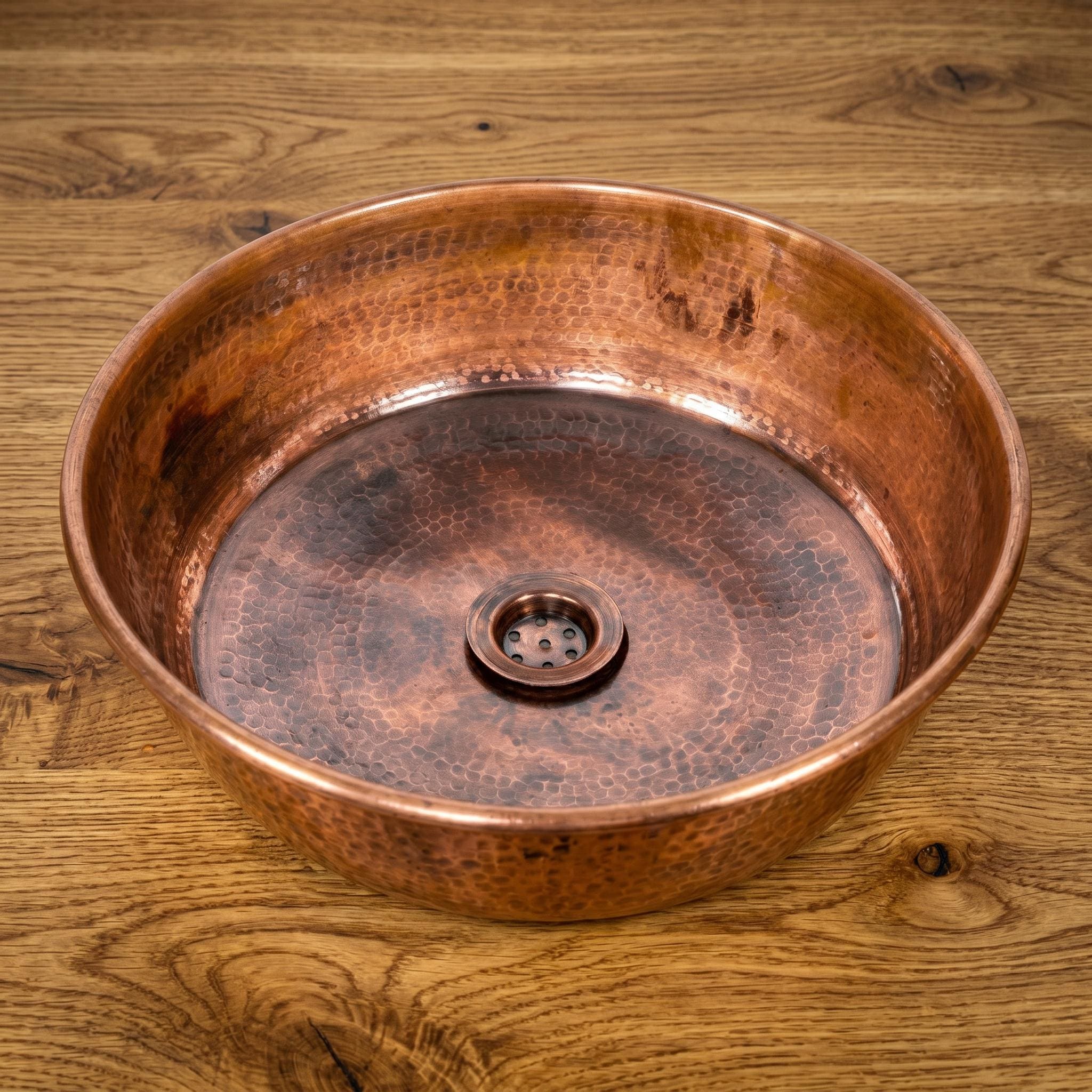
In the bath, gentle light is paramount. Combine a ceiling fixture with two wall sconces flanking the mirror for shadow-free grooming. Pair the warmth of brass lighting with tactile stone and plaster. For a truly integrated look, consider brass sinks that echo the luminaire finishes, creating a considered through-line from morning to evening.
Finish, Care, and the Beauty of Patina
One of brass’s greatest gifts is its living finish. Over time, unlacquered brass will develop a soft patina—darker in low-touch areas, lighter where it is handled and gently polished by life. If you love the romance of age, choose unlacquered; if you prefer a consistent tone, choose lacquered. Either way, care is simple and meditative.
Everyday maintenance
- Dust with a soft microfiber cloth to keep surfaces bright.
- Remove fingerprints with a mild soap solution and dry thoroughly.
- Avoid ammonia, bleach, and abrasive pads that can etch the metal.
Deeper refresh
- For unlacquered brass, occasional polishing can lift oxidation. Use a gentle, brass-specific polish sparingly, focusing on uniform application.
- Rinse and dry completely after any cleaning to prevent water spots.
- For lacquered pieces, use only mild soap and water; polishes can break down the protective layer.
Proportion, Placement, and Hanging Heights
Good design is a conversation between size, space, and sightline. When in doubt, slightly larger fixtures often feel more tailored and intentional than pieces that are too small.
General guidelines
- Dining table pendants: Hang the bottom of the shade 28–34 inches above the tabletop. For round tables, a single statement pendant works beautifully; for long tables, use two or three smaller pendants.
- Kitchen islands: Space pendants evenly; aim for 24–30 inches between shades. Leave 6–12 inches from the island ends to the nearest pendant for visual calm.
- Hallways: Maintain 7 feet of clearance beneath the fixture. In longer corridors, repeat smaller pendants every 8–10 feet for rhythm.
- Wall sconces: Mount at 60–66 inches from floor to center of the backplate, adjusted to eye level for most users. Flank mirrors at 36–40 inches apart to reduce facial shadows.
- Bedside sconces: Position so the lower edge is just above shoulder height when seated in bed, with switches within comfortable reach.
Patterns of Light: Shadowplay and Atmosphere
Perforated brass diffusers are a Moroccan hallmark. When lit, they cast lace-like patterns that animate ceilings and walls, turning simple surfaces into a tapestry of light and shade. In Mediterranean rooms, this effect is particularly magical against limewashed or tadelakt walls, where the natural variation of the finish amplifies the play of light.
To tailor the mood: choose fixtures with tight perforations for subtler starry effects, or larger motifs for bolder patterns. Dimmer switches offer the greatest control, letting you shift from dinner’s sparkle to a quiet evening’s glow.
Sustainability and Cultural Stewardship
Choosing hand-hammered brass lighting supports more than aesthetics; it sustains living crafts and the communities that hold them. Small workshops use time-honored tools and slow manufacturing processes that minimize waste. Brass itself is durable and recyclable, and many artisan producers source metal responsibly.
Equally important is the cultural narrative. Moroccan metalwork carries a lineage of knowledge passed from master to apprentice. When you bring these pieces home, you honor that lineage—and you help ensure that it continues, evolving with each generation.
A Buyer’s Checklist
- Confirm solid brass construction and safe, region-appropriate wiring.
- Decide on unlacquered (patina-forward) versus lacquered (tone-stable) finishes.
- Measure twice: ceiling height, table width, island length, and clearance needs.
- Plan layers: ambient (pendants), task (focused light), and accent (sconces, lamps).
- Specify bulb temperature around 2700–3000K for warm, flattering light.
- Use dimmers for maximum versatility and atmosphere.
- For bathrooms, verify damp or wet ratings based on zone placement.
FAQ
Will hand-hammered brass lighting tarnish?
Unlacquered brass will develop a natural patina, deepening in tone and character over time. Many clients prize this living finish. If you prefer a stable color, choose lacquered brass, which resists oxidation and requires only gentle cleaning.
How do I clean it without damaging the surface?
Dust regularly with a microfiber cloth. For smudges, use mild soap and water, then dry thoroughly. Avoid abrasives, ammonia, or bleach. For unlacquered fixtures, occasional brass polish can brighten the surface—use sparingly and evenly.
Is brass suitable for coastal homes?
Yes, with mindful care. Salt air accelerates patina on unlacquered brass, which some owners embrace. If you prefer a consistent tone near the coast, choose lacquered finishes and wipe surfaces more frequently to reduce salt deposits.
Can I mix brass with other metals?
Absolutely. Mediterranean interiors often blend finishes. Keep one metal dominant (often brass) and introduce a secondary finish—such as aged iron—in small accents. Unify the palette with consistent warmth in bulb temperature.
Which bulbs work best?
Warm-white LED bulbs around 2700–3000K complement brass beautifully. Choose high-CRI options (90+) to honor material tones and skin tones. Ensure dimmability for layered mood.
How many pendants should I use over the island?
As a rule, two larger pendants suit islands 6–7 feet long; three medium pendants suit islands 8–10 feet long. Prioritize spacing and visual weight over rigid formulas—aim for balance and breathing room.
Conclusion
In an age of fast everything, hand-hammered brass lighting invites a slower, more soulful way of living. It brings the human hand back into the home, catching light the way leaves catch wind—softly, purposefully, with grace. Whether you begin with a single pendant from our collection of Moroccan ceiling lights, frame a passage with elegant brass wall sconces, accent a console with luminous brass table lamps, or carry the story into the bath with heirloom-worthy brass sinks, you will feel the difference the moment the light comes on. That gentle glow is more than illumination—it is hospitality, history, and home.