Cart
0
Few materials age as gracefully as Moroccan brass. The gentle deepening of tone, the softening of sheen, and the subtle marks of the artisan’s hammer all tell a story over time. This evolving surface—widely known as Moroccan brass patina—isn’t just an effect; it’s a living finish that brings soulful nuance to Mediterranean-inspired interiors. If you love authentic materials and design details that get better year after year, this guide is for you.
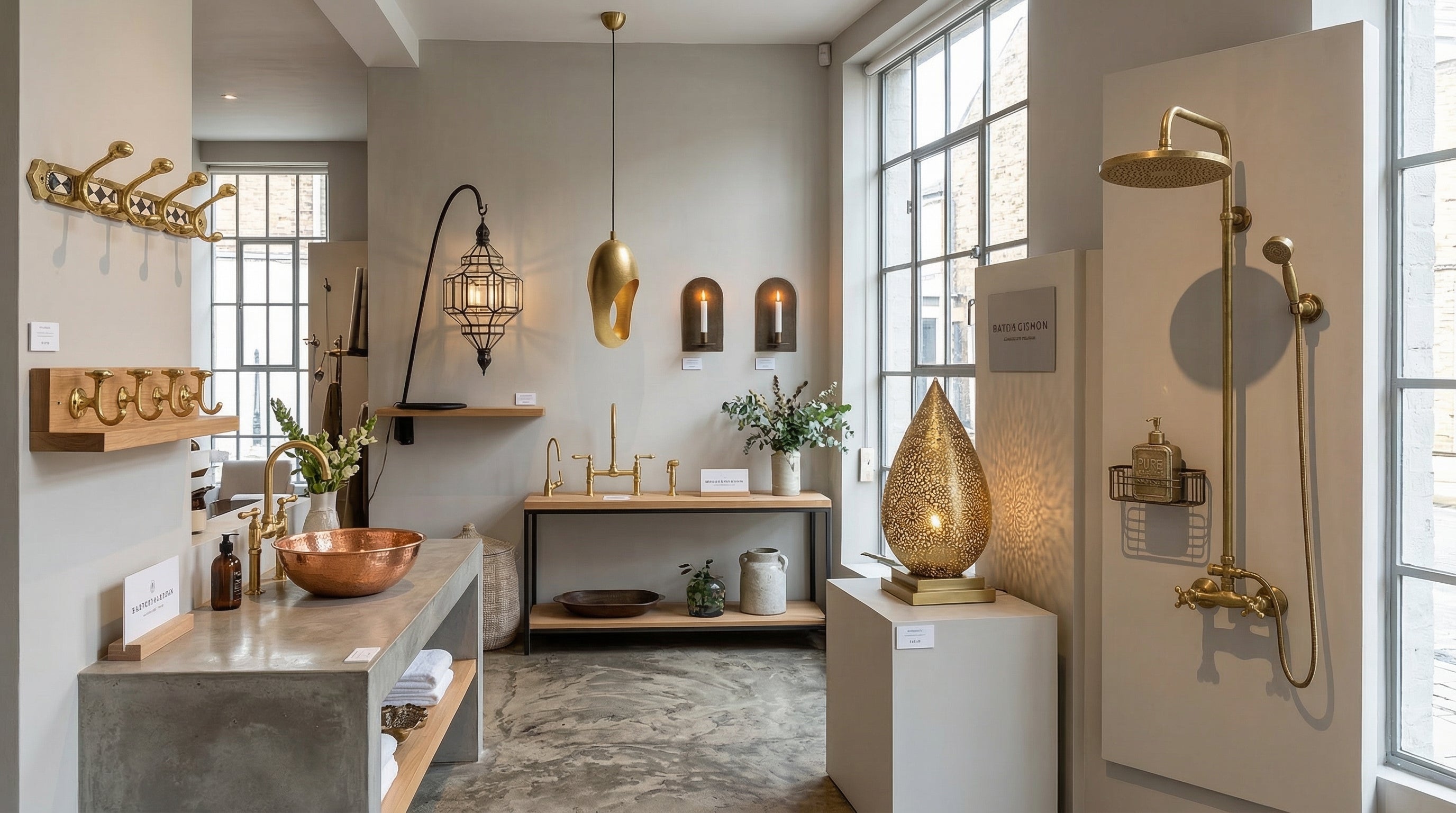
Recommended featured image alt text: "Moroccan brass patina lighting in a Mediterranean interior"
Table of Contents
- What Is Moroccan Brass Patina?
- Why Designers Love Moroccan Brass Patina
- Designing With Moroccan Brass Patina, Room by Room
- Material Pairings and Palettes That Honor Patina
- Care, Protection, and Patina Management
- Specifying Artisan Pieces With Integrity
- Common Mistakes to Avoid
- FAQs
- Conclusion
What Is Moroccan Brass Patina?
Brass is an alloy of copper and zinc. In Morocco, artisans have honed brasswork for centuries—hand-hammering, perforating, chasing, and shaping by eye. When these solid brass pieces are left unlacquered, they naturally react with air, oils, and moisture. This slow, surface-level oxidation produces a deeper, more variegated color and a softened glow: the patina.
Unlike a static factory coating, a living finish shifts with touch, climate, and time. A corridor’s sconces deepen where fingers brush them. A lamp’s finial warms where you switch it on. Bathroom fittings gradually mellow while telling the daily rhythm of water and steam. This is the spirit of patina—modern life blending with old-world craft.
Moroccan patina is prized for its nuance. High points stay brighter where they’re polished by use, while crevices and hammered dimples retain a darker cast, emphasizing each handmade mark. The result is an object that doesn’t merely sit in a room; it participates in its atmosphere, catching Mediterranean sunlight at dawn and candlelight at dusk with quiet, irresistible character.
Why Designers Love Moroccan Brass Patina
Designers reach for Moroccan brass when a space needs soul and softness. Patina tempers the crispness of plaster, coolness of stone, and gleam of glass. In rooms guided by Mediterranean restraint—limed walls, clay floors, and honest textiles—brass adds warmth without shouting. It’s reflective, but never harsh; luminous, but calm.
There’s also an emotional quality to patina. New brass can feel pristine, even formal. Over months, living brass settles into a home’s cadence. It becomes familiar, friendly—like the sheen on a beloved banister or the softened edges of a vintage tray. This sense of continuity appeals to homeowners seeking a layered look that feels collected, not contrived.
Finally, patina honors the hand of the maker. Each tiny irregularity is a signature. When light grazes a hand-hammered surface, micro-facets flicker in a way machine-pressed metals can’t replicate. That humble luxury—human, tactile, deeply real—is at the heart of Moroccan craftsmanship.
Designing With Moroccan Brass Patina, Room by Room
Entryway and Passage
The entry sets the tone. In a narrow hall, a pair of hand-hammered brass wall sconces invites a soft, welcoming glow. If the walls are limewashed, the sconces’ patina will gradually darken at the edges, tracing the play of light over time. Add charming utility with solid brass wall hooks for scarves and straw bags. The inevitable touchpoints—hooks, switch plates, railings—are where patina tells its richest story.
Living Room Layering
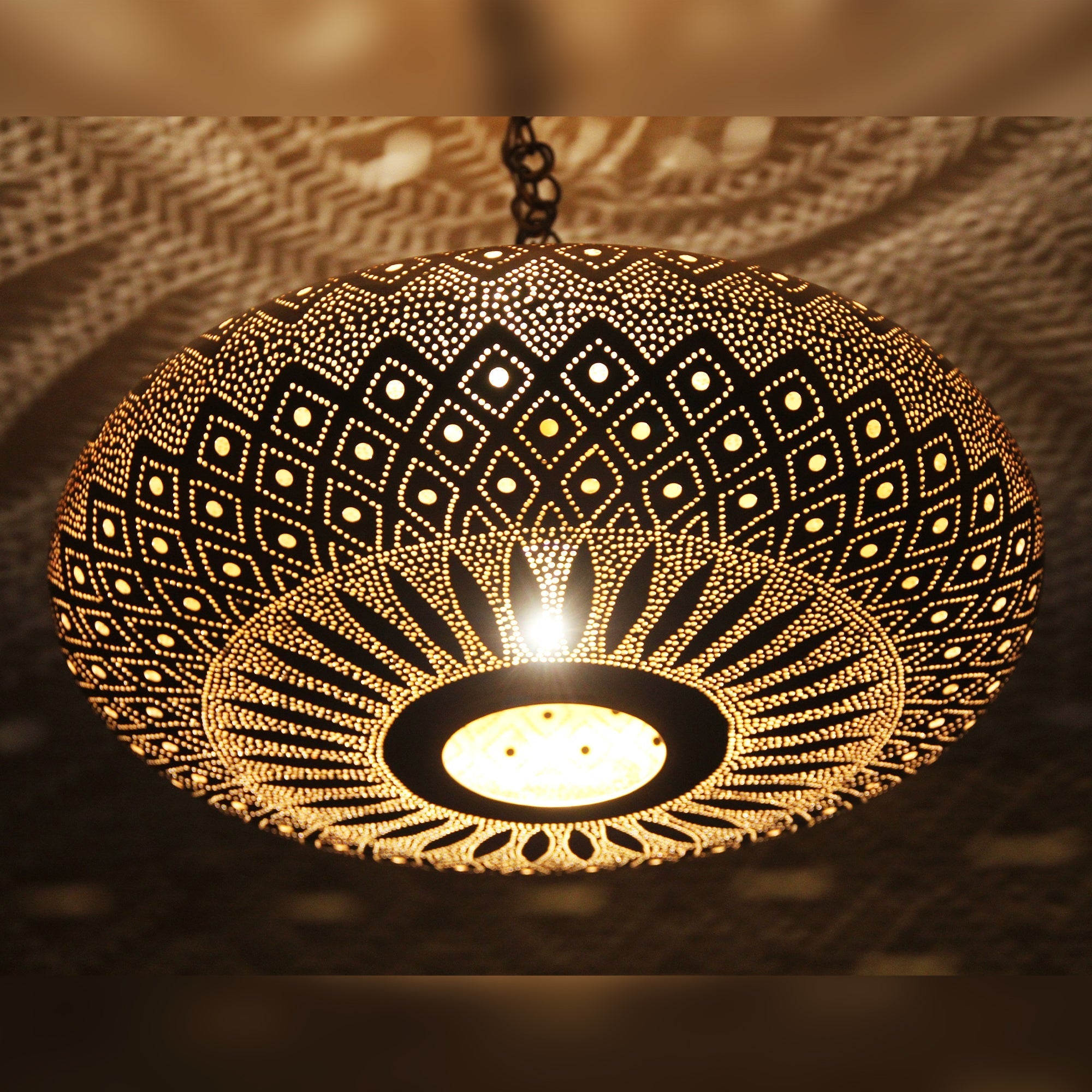
In living spaces, layer light at multiple heights to celebrate brass’s dimensional shimmer. Start with a sculptural overhead statement—filigreed or smooth—selected from our collection of Moroccan ceiling lights. Use low-wattage, warm lamps to avoid glare and preserve that candle-kissed glow. Then anchor corners with sculptural brass table lamps, letting the shades cast dappled halos across plaster or tadelakt. The living finish will mellow on finials, pulls, and lamp bases as you handle them—small, intimate reminders that your home is alive.
Kitchen Warmth and Workability
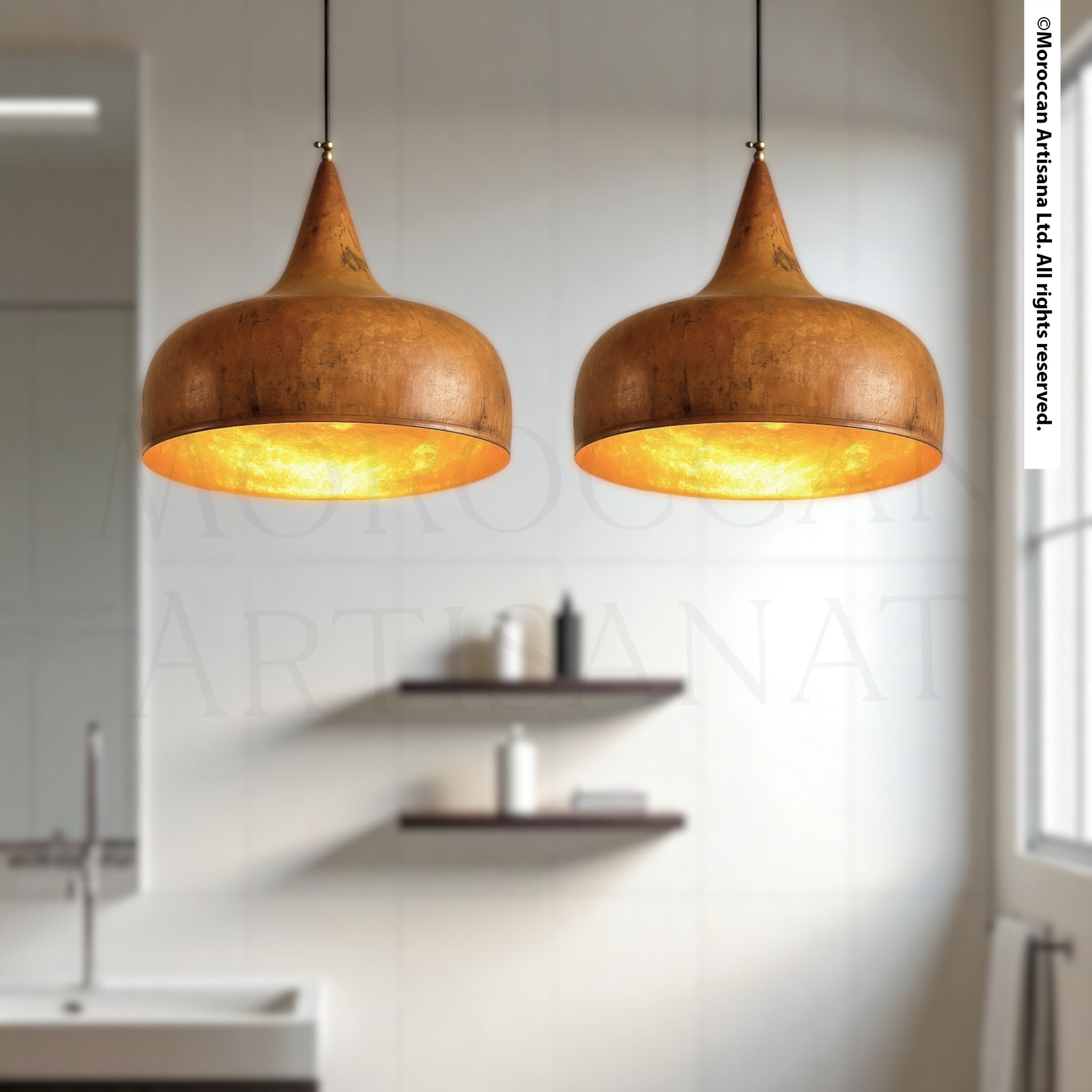
In the kitchen, balance romance with resilience. Over an island, choose pendants from our brass kitchen island lighting to contrast beautifully with veined marble or rough-cut stone. A hand-rubbed patina softens the crispness of enamelware and the sheen of glazed zellige. Expect gentle spotting in a cook’s space; it’s part of the charm. Wipe with a dry cloth after steamy sessions and allow the metal to evolve. The result is a kitchen that looks less “installed” and more “lived-in”—a Mediterranean hallmark.
Bathrooms With Character
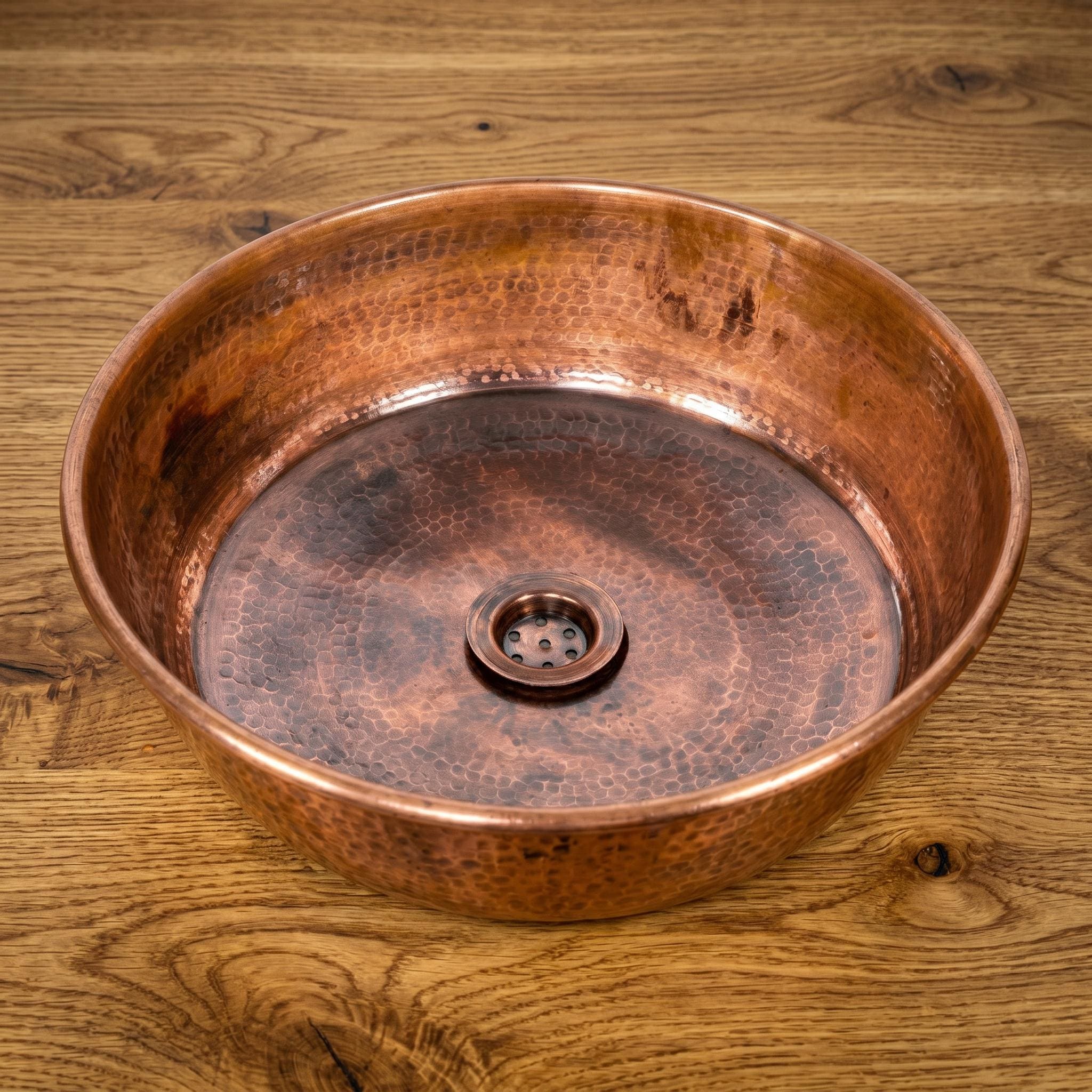
Bathrooms are where patina’s living nature is most visible, and most rewarding. Pair a tadelakt basin wall with solid brass bathroom faucets in a living finish for a serene, spa-like mood. Water marks, soap, and steam will slowly shade the brass. Wipe after use; accept subtle mottling. Over time, it deepens into a honeyed glow that feels elemental and luxurious—especially when echoed by a matching mirror frame or small dish.
Bedrooms and Quiet Corners
In bedrooms, aim for serenity. Brass should whisper, not shout. Choose slim-armed bedside sconces or compact table lamps with alabaster or linen shades. Here, patina enhances tranquility; the finish reads gentler in low light, mirroring the slow pace of evenings and early mornings. A single vintage tray, a mirror with a hammered frame, and a few well-placed accents complete the story.
Terraces and Transitional Spaces
Covered terraces and loggias love brass, though not all finishes are suitable for direct weather. If installing outdoors, ensure appropriate protection from rain and salt air, and choose fixtures with suitable ratings where needed. Indoors-adjacent spaces—sunrooms, verandas under deep eaves—are perfect for enjoying the dance between daylight and a living finish.
Material Pairings and Palettes That Honor Patina
Patina is most at home among honest materials. The more tactile and mineral, the better. Consider these pairings:
- Tadelakt Plaster: Waxed lime plaster shares brass’s ancient provenance. It absorbs light in a velvety way that flatters brass’s warm reflection. Choose pale sand and oyster hues for quiet luxury.
- Zellige Tile: Hand-cut and slightly irregular, zellige echoes the human hand. A deep green or ocean blue tile sets off brass beautifully, reminiscent of coastal riads and Mediterranean harbors.
- Hand-Carved Cedar: Cedar’s scent and grain complement brass’s warmth. A carved screen or armoire hardware in brass knits millwork into the story.
- Linens and Wool: Natural textiles keep a room grounded. Ecru linen drapery and a Berber wool rug balance brass’s glow with tactile calm.
- Terracotta and Stone: Terracotta pots, limestone benches, and honed marble counter tops give brass a timeless, archaeological register—old-world, never old-fashioned.
For color, think sunrise to sunset: saffron, clay, sea-salt white, sky blues, olive leaf, fig, and pomegranate. Brass patina hums against these hues, breathing life into restrained palettes and calming exuberant ones.
Care, Protection, and Patina Management
Living finishes don’t require fuss, but they do benefit from gentle, consistent care. The goal is to support a graceful evolution—not freeze the surface, and not strip it bare.
- Daily Light Care: Dust with a soft, dry cloth. For splashes or fingerprints, try a lightly dampened microfiber cloth, then dry immediately. Avoid abrasive pads, paper towels, and scouring powders.
- Soap-and-Water Reset: For stubborn spots, a mild, dye-free soap diluted in warm water can help. Rinse the cloth thoroughly and dry the brass immediately. Expect the surface to lighten slightly; it will re-tone naturally within days.
- Wax for Protection: A microcrystalline wax applied sparingly can slow spotting on high-traffic pieces like faucets. Buff gently to a soft sheen. Do not apply to perforated areas where residue can build.
- Avoid Harsh Chemicals: Ammonia, bleach, acidic cleaners, and vinegar can damage patina. If you must deep-clean a sink or surround, mask adjacent brass or remove the piece temporarily.
- Coastal and Humid Climates: Expect patina to develop faster. Wipe condensation promptly. Where appropriate, consider slightly more frequent waxing.
- Polishing Strategy: If you prefer a lighter tone, selective hand-polishing of raised points (leaving recesses darker) keeps dimension intact. Avoid machine polishing and mirror finishes that erase artisan texture.
Above all, embrace the ebb and flow. The most beautiful patina is not perfectly even; it’s quietly balanced, with the high notes and low notes in harmony.
Specifying Artisan Pieces With Integrity
The magic of Moroccan brass lies in its making. When specifying for clients or for your own home, consider these points to preserve authenticity and performance:
- Solid Brass vs. Plated: Choose solid brass for a true living finish. Plated metals can wear through, exposing base metals beneath.
- Hand-Hammered Detail: Look for slight irregularities, varied textures, and true hammer marks. Machine-stamped patterns lack the micro-facets that make patina sing.
- Wall and Ceiling Readiness: Confirm backplate sizes, mounting systems, and weight for plaster or masonry walls. For bathrooms, review IP ratings and moisture suitability.
- Finish Disclosure: Request clarity on whether the piece is lacquered or unlacquered. If lacquered, patina will be slower or minimal. If unlacquered, share living-finish care notes with clients.
- Responsible Craft: Seek workshops that honor fair labor, heritage skills, and sustainable practices. Time-honored craft and ethical production deepen a home’s story.
When in doubt, ask for samples, photos in different lights, and care recommendations. A small patina swatch can save a big decision later.
Common Mistakes to Avoid
- Chasing Uniformity: Trying to make living brass perfectly even undermines its charm. Aim for gentle coherence, not identical tone.
- Using Harsh Cleaners: Quick fixes with abrasive or acidic products can strip months of graceful aging in minutes.
- Over-Lacquering: A thick, glossy seal may lock in shine but can also flatten texture and complicate future touch-ups.
- Ignoring Context: Brass needs balanced materials. Too many reflective surfaces create glare; too few create heaviness. Mix with matte plaster, timber, and textiles.
- Skipping Scale: Oversized fixtures in low-ceiling rooms, or underscaled lights over grand tables, can throw off proportion—no finish can fix a scale mismatch.
FAQs
Will Moroccan brass patina stain my hands or fabrics?
No. Normal oxidation does not rub off like paint. Oils from hands contribute to patina; they do not pick up noticeable color. Always dry fixtures after cleaning.
How fast does patina develop?
In dry, temperate interiors, changes appear subtly over weeks and become characterful within months. In bathrooms and coastal climates, it evolves faster.
Can I slow patina without lacquer?
Yes. Periodic microcrystalline wax provides a breathable buffer. It will not stop patina, but it moderates spotting and water marks.
Is living brass suitable for family homes?
Absolutely. It’s forgiving, hides minor scuffs, and becomes more beautiful with use—ideal for high-touch spaces like entries and kitchens.
What bulbs flatter brass best?
Warm white (2200–2700K) with high color rendering preserves the golden glow. Frosted bulbs soften glare in open shades or perforated fixtures.
Can I mix lacquered and living brass?
Yes—just keep each zone intentional. Use lacquered brass where you want stable brightness (e.g., hardware) and living brass where you welcome evolution (e.g., feature lighting).
How do I maintain brass in a bathroom?
Wipe water after use, avoid acidic cleaners, and consider a light wax layer on faucets and handles. Allow the finish to develop gracefully.
Conclusion
When you live with Moroccan brass, you live with time. A living finish listens to the room, mirrors your rituals, and grows more compelling each season. Whether you’re setting a tranquil entry with brass wall sconces, layering a lounge with artisanal ceiling lights and brass table lamps, refining a cook’s nook with brass kitchen island lighting, or elevating a bath with solid brass faucets, let the patina take part. The reward is a home that feels beautifully, unmistakably yours.