Cart
0
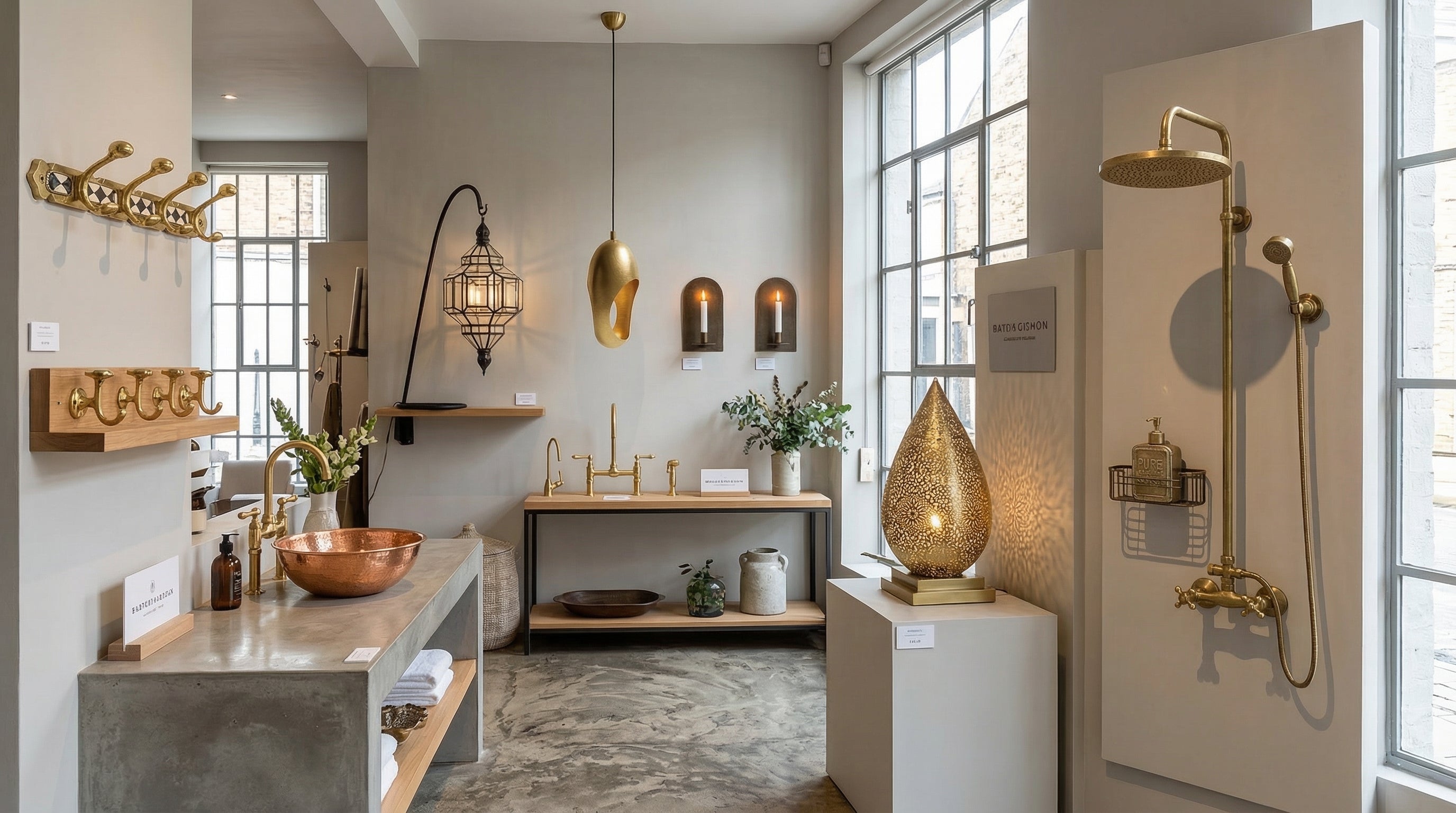
There is a quiet magic to Moroccan brass patina—a living finish that gathers depth and wisdom with time, adding a soulful sheen to Mediterranean interiors. Unlike manufactured coatings, this patina is the intimate record of hand, material, and daily ritual. It deepens with touch, softens under candlelight, and makes even the most minimal room feel storied. If you are curating a home with enduring elegance, understanding the art of Moroccan brass patina will change how you select lighting, bathroom fixtures, and heirloom accents.
Table of Contents
- What Is Moroccan Brass Patina?
- The Science and the Soul: How Patina Forms
- Styling Moroccan Brass Patina in Mediterranean Interiors
- Bathroom Rituals: Patina in Humid, Spa-Like Spaces
- Lighting That Ages Gracefully
- Caring for a Living Finish
- Ethical Sourcing and True Craftsmanship
- Room-by-Room Guide to Layering Patina
- Color and Material Pairings That Sing
- Frequently Asked Questions
- Conclusion
What Is Moroccan Brass Patina?
Moroccan brass patina is the naturally occurring finish that forms on hand-crafted brass as it interacts with air, moisture, oils, and light. Artisans in Morocco have long embraced it as a signature quality rather than a flaw. The result is a finish that evolves—shifting from bright gold to mellow honey, then to a deeper burnished tone with hints of umber and olive. In a world of uniform, factory-made gloss, patina is the gentle rebellion: a luxurious reminder that materials can remain alive.
The Science and the Soul: How Patina Forms
At its core, patina is chemistry meeting craft. Brass—an alloy of copper and zinc—reacts with oxygen and environmental elements. Over months and years, microscopic layers form on the surface, changing how the piece reflects light. Moroccan craftsmen accelerate and guide this evolution through hand-hammering, burnishing, and selective aging techniques handed down for generations.
Alloy Composition and Character
Small variations in copper-to-zinc ratios influence the warmth of the patina. Brass with higher copper content often develops a deeper, richer tone. Moroccan workshops, many of them family-run, tend to prefer alloys that will take on a velvety, nuanced sheen—a hallmark of the region’s lighting and fixtures.
Handwork That Shapes the Finish
Hammer marks and fine tool paths introduce texture that catches shadows and intensifies patina. Polished areas will mellow into satiny plains; textured fields will darken more dramatically, revealing the rhythm of the maker’s hand. This interplay between light and texture is what makes a brass lantern or washbasin feel alive at dawn and different again at dusk.
Styling Moroccan Brass Patina in Mediterranean Interiors
The Mediterranean aesthetic is a dialogue between sun, sea, and stone—pared-back silhouettes warmed by artisanal layers. Patina fits naturally here, supplying visual depth without fuss. Whether your space leans coastal, Andalusian, or riad-inspired, brass with a soft, timeworn sheen can ground the palette and tie disparate elements together.
Contrast With Mineral Walls and Plaster
Pair aged brass accents with limewash or tadelakt to create a quiet glow against matte, mineral-rich surfaces. The rough-smooth tension is hypnotic: light lingers on the brass, then dissolves into the chalky walls. A single sconce on a pale plaster niche becomes a sculptural moment—intimate, timeless, and soothing.
Balance With Natural Woods and Woven Textures
Olive and walnut woods, woven reed, and Berber textiles soften brass’s metallic coolness. Think of patinated brass as your anchor of luminosity, surrounded by tactile calm—baskets, hand-knotted rugs, linen drapery. The room breathes, and the brass glows as if lit from within.
Bathroom Rituals: Patina in Humid, Spa-Like Spaces
Humidity, steam, and daily use accelerate patina in the most beautiful way, transforming bathrooms into private hammams. A living finish in the washroom imbues every routine with ceremony, letting water and time tell their story.
Fixtures That Grow More Beautiful
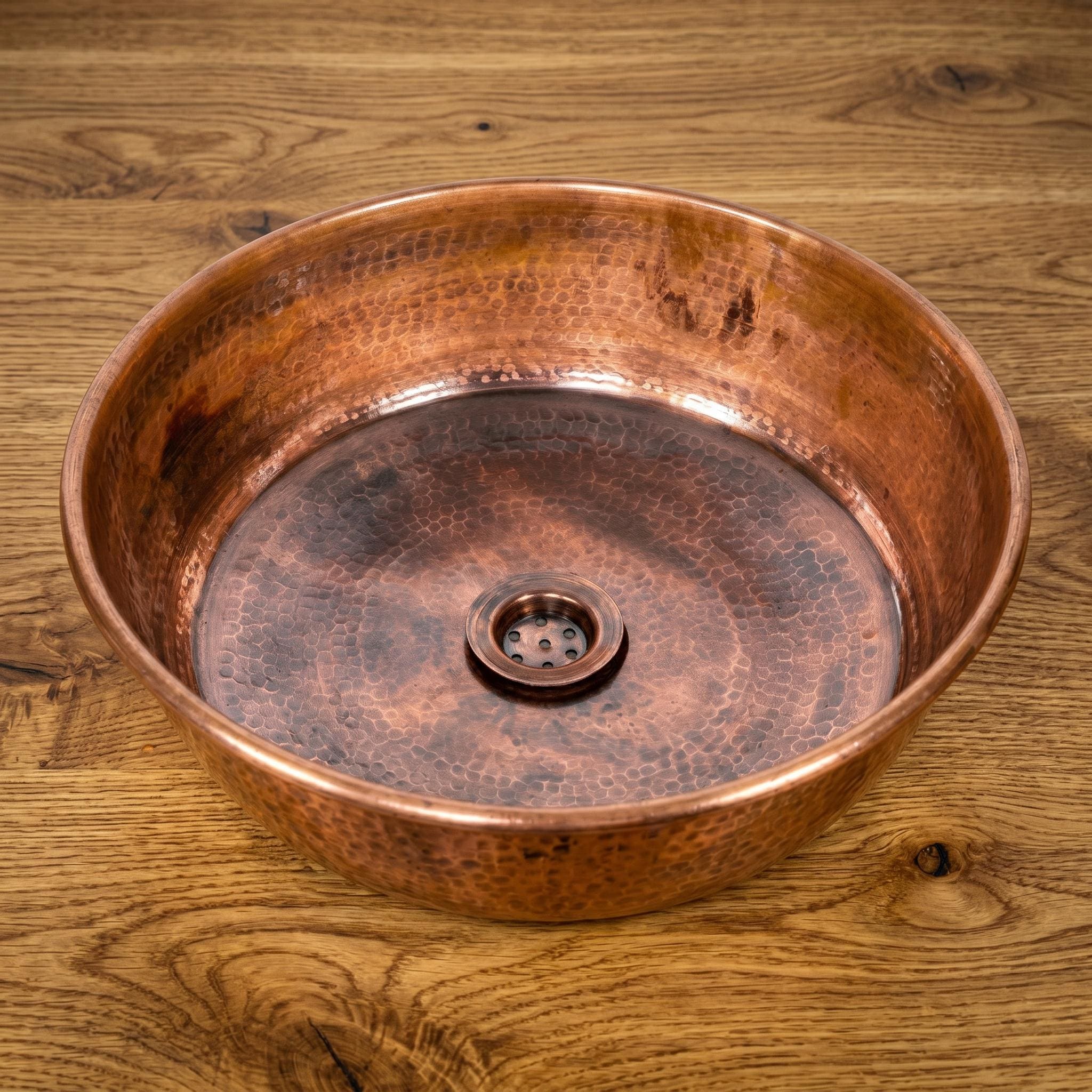
A thoughtfully chosen basin or faucet will develop a refined, tea-stained glow, especially at contact points where water meets skin. If you are crafting a sanctuary centered on ritual, this is exactly the kind of beauty that cannot be rushed or faked.
For an elevated spa effect, consider pairing a hand-hammered basin with artisan-made brass sinks that invite a warm, evolving sheen. Complement them with a coordinated shower set—see tailored shower fixtures and systems designed to age gracefully—and let the room’s atmosphere do the rest.
Design Notes for Practical Luxury
- Choose gently curved spouts and eased edges, which wear elegantly as patina concentrates on contours.
- Allow a mix of finish intensities: a softly bright faucet against a deeper-toned drain or handle creates layered interest.
- Embrace variation. Micro-differences from day to day are part of the finish’s living charm.
Lighting That Ages Gracefully
Light and brass share a natural affinity. As patina forms, it diffuses glare and turns the glow honeyed and intimate—perfect for evening routines and conversation. It’s why heritage interiors feel so forgiving at night: the metal has learned to soften the light.
Ceiling Statements and Ambient Warmth
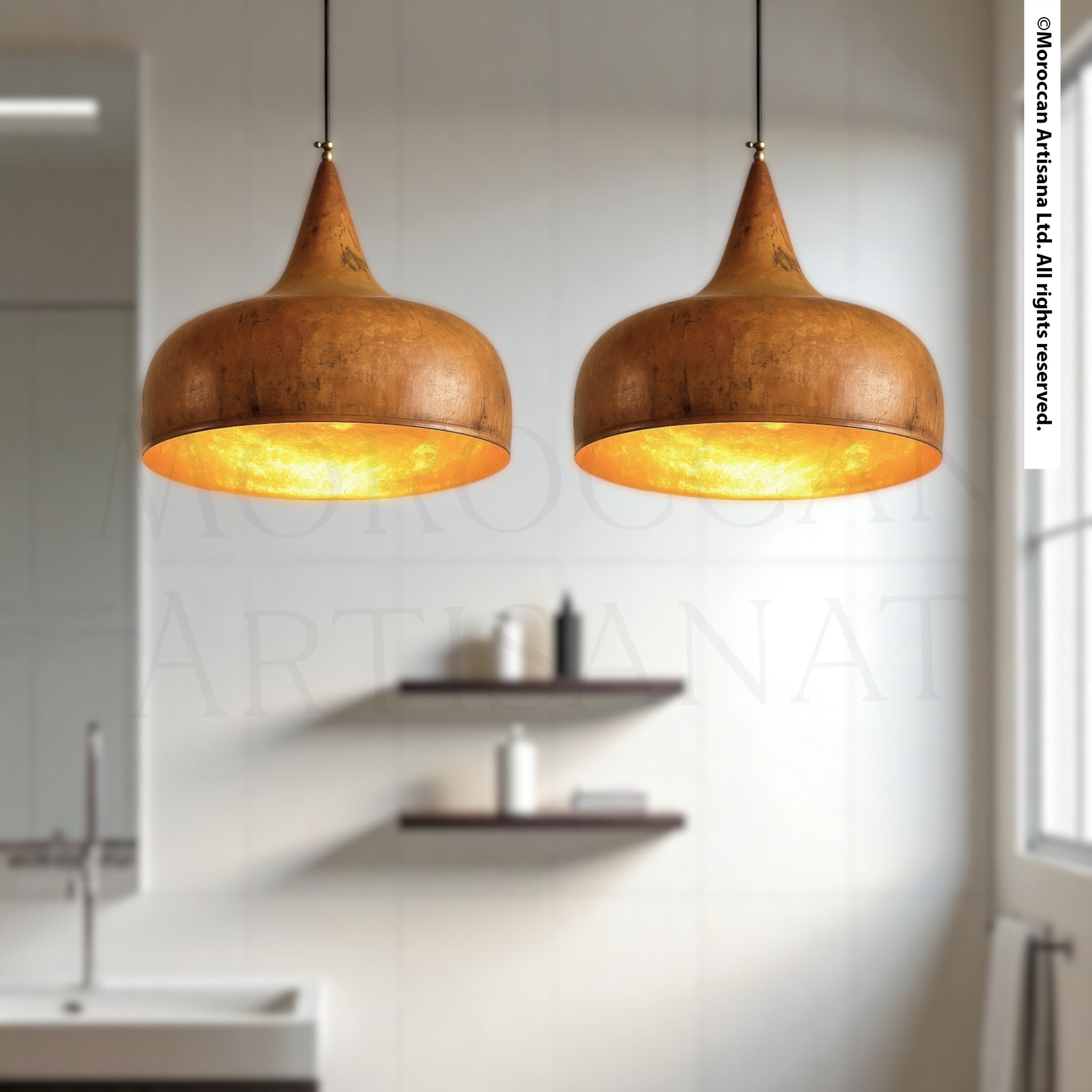
In great rooms or dining spaces, a sculptural pendant in brass becomes a quiet focal point. Over time, the surface will mellow, helping large volumes feel welcoming rather than cavernous. Explore ceiling lights with hand-worked brass that develop a refined patina to anchor open-plan living with artisanal radiance.
Wall Layers and Intimate Corners
Sconces are the natural home of gentle patina—hung at eye level, close to touch, and constantly kissed by ambient humidity. Consider brass wall sconces with hand-hammered detail to frame mirrors, art, or arched doorways. The subtle shifts in tone week by week become part of the room’s familiar comfort.
Tableside Glow
On consoles and nightstands, a patinated lamp throws the most flattering light. The dim, mineral sheen helps skin tones and natural materials look richer. For portable ambiance, discover brass table lamps crafted to mature in color and character.
Caring for a Living Finish
Stewardship is simple: think gentle, mindful, and patient. The goal is not to freeze the metal at any one stage, but to let it progress with grace.
Daily Care
- Wipe with a soft, dry cloth after use to remove water spots and fingerprints.
- For bathroom fixtures, allow a light mineral bloom to form naturally; it will even out and warm over time.
- Avoid abrasive pads, harsh chemicals, or ammonia-based cleaners—they strip character and leave uneven bright spots.
Monthly Refresh
- Use a mild soap and lukewarm water, then dry thoroughly. If your water is hard, a final wipe with distilled water prevents marks.
- Optional: apply a whisper-thin layer of microcrystalline wax to high-touch areas to slow fingerprints while preserving patina.
Patina Resets (When Needed)
If a piece has developed unwanted spotting or an inconsistent patch, blend it gently:
- Buff lightly with a soft cloth and a paste of baking soda and water; rinse and dry. This will lift only the thinnest layer of oxidation.
- Let the surface rest—within days, a more even tone will return. Resist the urge to over-polish.
Ethical Sourcing and True Craftsmanship
Moroccan patina is inseparable from the artisans who create it. Their methods—hand-hammering, chasing, and finishing—encourage oxidation to settle beautifully. Buying well means choosing pieces with honest materials and traceable workmanship.
How to Read the Hand
- Look for delicate hammering that’s irregular yet rhythmical—evidence of true handwork.
- Seek pieces with subtle variation in tone and texture rather than sprayed-on faux aging.
- Prefer solid brass components over plated substitutes; they patinate more beautifully and last for decades.
To build a coherent story of light throughout your home, match artisanal details across categories—from wall to table to ceiling. Begin with a signature fixture and echo its finish in companion pieces, whether you favor sculptural wall sconces or a bold statement from our curated ceiling lights collection.
Room-by-Room Guide to Layering Patina
Entry
First impressions thrive on texture. A single patinated sconce beside a carved doorframe sets the tone—refined, calm, and rooted in craft. Add a narrow console with a small brass lamp to draw the eye inward and welcome guests with a warm pool of light.
Living Room
Combine a statement ceiling lantern with layered task lights. Let one or two brass elements lead; avoid over-coordination. Patina should read as a subtle chorus, not a uniform suit. Mix in woven trays, terracotta, and limewashed shelves for a symphony of Mediterranean tactility.
Kitchen
In a working kitchen, patina matures quickly and beautifully. Brass hardware, small bowls, and a lamp tucked on a shelf create a glimmer that feels both functional and ceremonial. Over an island, choose brass fixtures with domed shades; they will project clean light downward while mellowing with every shared meal.
Bath
Allow your washroom to behave like a mini-hammam: steam, warmth, and water do the artistry for you. Start with a basin and faucet that welcome change, like the pieces in our hand-hammered brass sinks, and complement them with cohesive shower systems that develop a dignified patina.
Bedroom
Soft, layered light suits restful spaces. Patinated brass table lamps on linen-draped nightstands create the quiet, flattering glow of a riad courtyard after sunset. Keep surfaces simple—books, a sprig of olive, and the lamp’s gentle aura.
Color and Material Pairings That Sing
Patina loves contrast and calm. Let the finish be the star by surrounding it with breathable, mineral, and organic textures.
Plaster and Limewash
Barely-there whites, stone greys, and sand tones give brass the stage. The matte depth of limewash throws a soft halo around fixtures, accentuating the metal’s evolving tone.
Tadelakt and Zellige
High-humidity surfaces like tadelakt walls and glossy zellige tiles intensify reflection. Brass set against emerald, indigo, or milk-white tiles appears richer, its patina amplified by the tiles’ varied glaze.
Stone and Wood
Travertine, limestone, and reclaimed cedar or walnut form an elegant base. Together, they call to mind seaside villas and hidden riads—timeless and grounded.
Lighting Details: Choosing Forms That Patinate Well
Some silhouettes showcase patina better than others. Consider the path of touch and the play of light when selecting shapes.
Forms With Grace
- Shallow domes and tapered bells reveal burnish gradients beautifully.
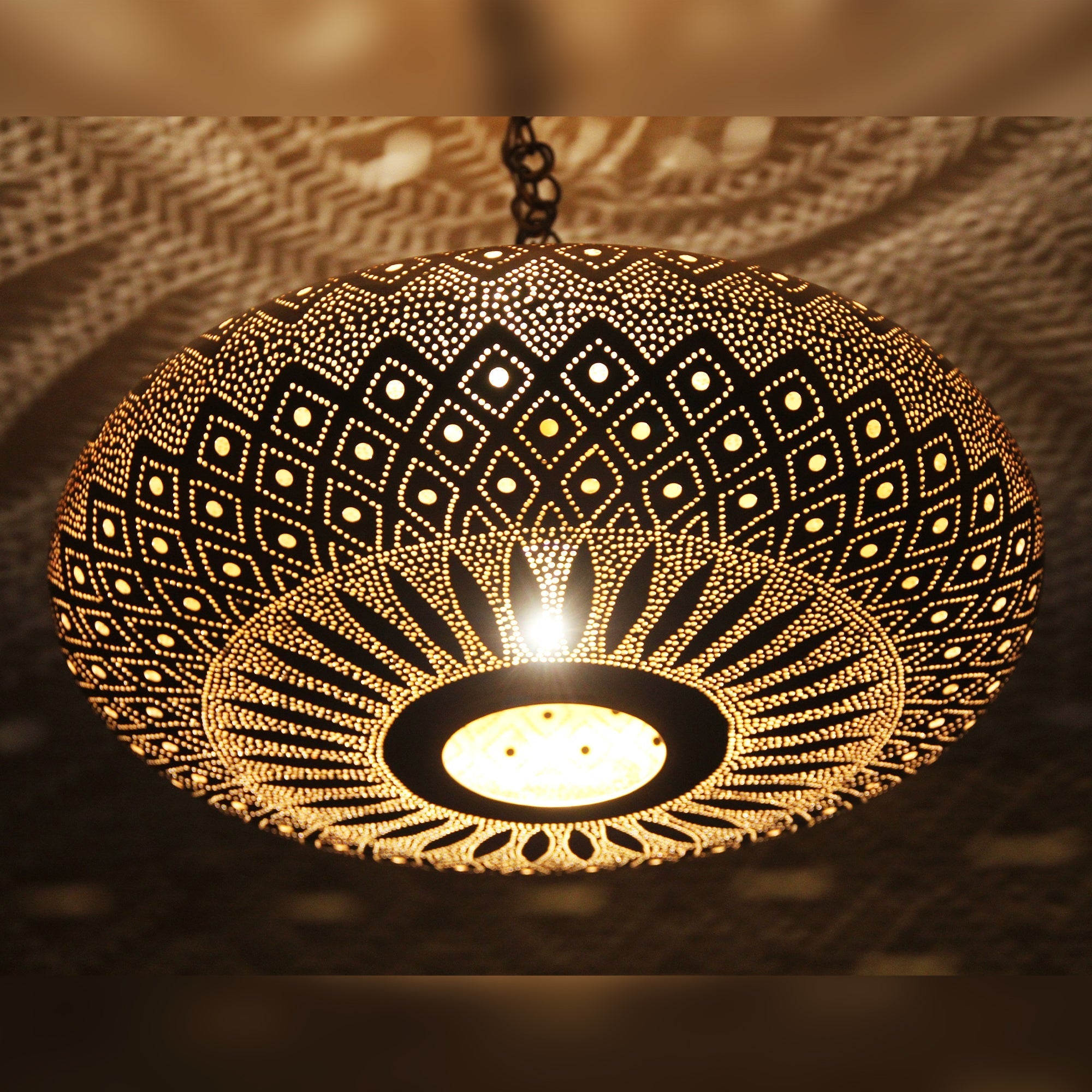
- Perforated patterns cast filigreed shadows that read warmer as patina develops.
- Smooth collars and finials gather subtle halos—perfect for intimate dining or bedside glow.
For cohesive layering, blend overhead fixtures with accent pieces. Start with a key pendant from our artisan ceiling collection and complete the tableau with thoughtfully placed table lamps in hand-finished brass.
Suggested Image Alt Text
For optimal accessibility and SEO, use descriptive alt text that includes the focus keyword. Suggested example: “Moroccan brass patina lighting in a Mediterranean interior” or “Bathroom faucet with Moroccan brass patina on tadelakt wall.”
Frequently Asked Questions
Will Moroccan brass patina stain?
Patina is a surface evolution, not a stain that transfers. On bathroom fixtures and sinks, mineral spotting may appear at first, then settles into a harmonious, even tone. With regular gentle wiping, the finish develops gracefully.
Can I keep brass looking brighter while still allowing patina?
Yes. Focus your polishing only on high-touch points and let less-accessible areas age naturally. A soft cloth and minimal product preserve the overall depth while keeping highlights luminous.
Is patina suitable for modern minimalist spaces?
Absolutely. In restrained rooms, a single patinated piece becomes a sculptural accent that brings warmth without clutter. The living finish keeps minimalism from feeling cold.
What if I prefer an even tone across fixtures?
Choose pieces from the same workshop and series for consistent alloy and handwork. Install them at the same time, and maintain them with the same gentle routine so they age in tandem.
How long does it take to see a noticeable patina?
In kitchens and bathrooms, you may notice a shift within weeks. In drier spaces, the change is more gradual—months to the first blush of warmth and years to a deep burnish. The journey is the beauty.
Conclusion
Luxury today is not about perfection but presence. Moroccan brass patina honors the trace of the hand and the passage of time, turning everyday rituals into quiet ceremonies. Whether you’re curating a spa-like bath, softening a sunlit living room, or setting a table for lingering evenings, let this living finish guide your choices. Begin with a luminous anchor—a pendant, a sconce, or a basin—and allow its surface to evolve alongside your life. For pieces designed to mature with character, explore sculptural brass wall sconces, discover hand-hammered brass sinks for spa-worthy baths, and layer in glow with patinated brass table lamps. Overhead, conclude the composition with artisan-crafted ceiling lights that will mellow into a golden heirloom hue. In time, your rooms will feel not just decorated, but quietly, beautifully lived in.