Cart
0
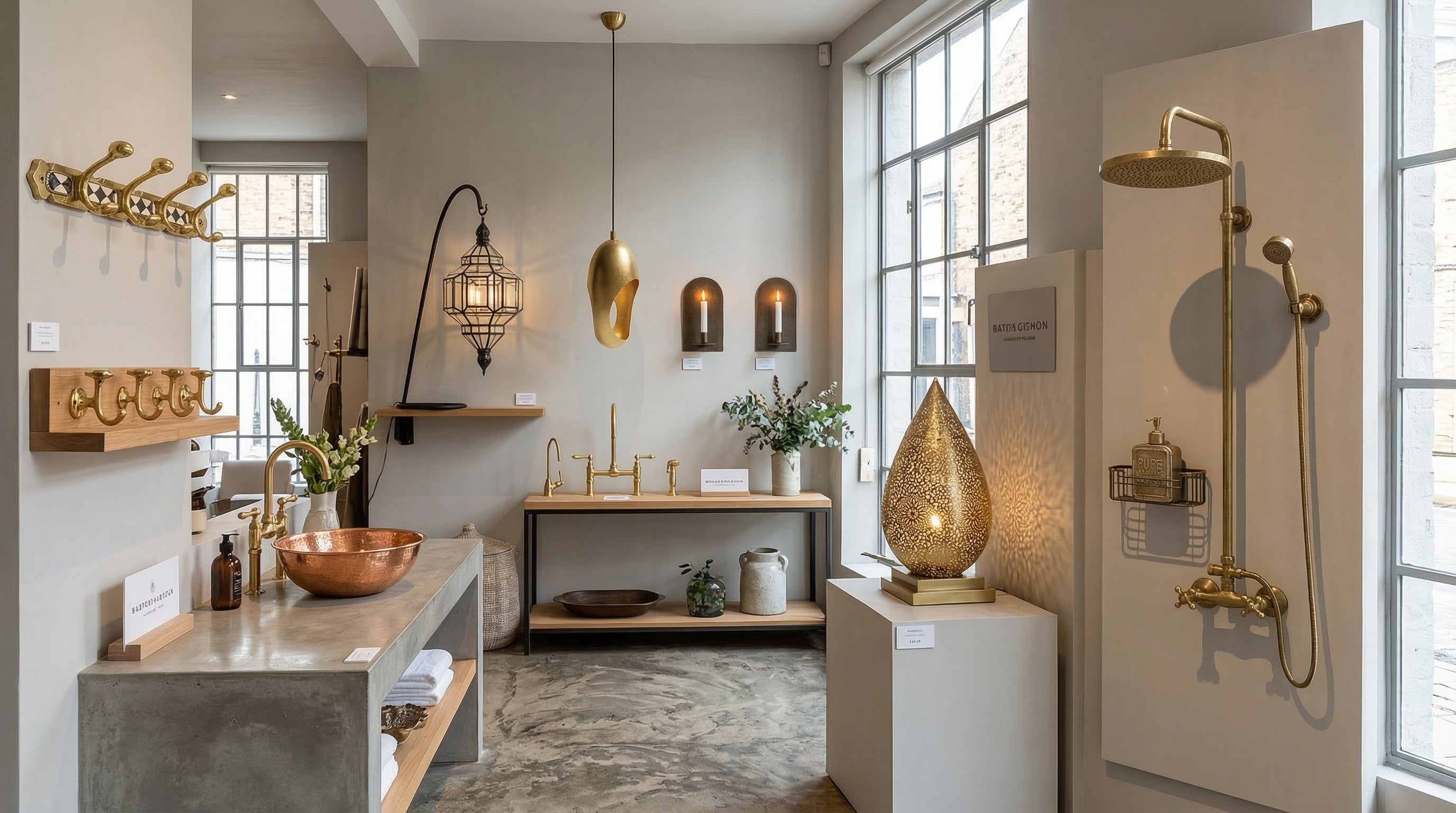
In a world that prizes the understated, aged brass Moroccan bathroom fixtures offer a quietly luxurious way to ground your space in warmth, soul, and story. Their living finish evolves with time and touch, echoing the sun-kissed patinas of Mediterranean shores and the hand-wrought character of Moroccan workshops. If you are drawn to interiors that feel collected rather than decorated, this guide reveals how to choose, design, and care for patina-ready brass that grows more beautiful with every season.
Table of contents
- Why aged brass Moroccan bathroom fixtures define quiet luxury
- Understanding brass: alloys, patina, and performance
- Designing a Mediterranean bathroom with Moroccan craft
- Selecting the essentials: faucets, sinks, and showers
- Layering light with brass accents
- Hardware details that complete the room
- Installation and care for a lasting patina
- Ethical sourcing and the artisan’s hand
- Frequently asked questions
- Conclusion
Why aged brass Moroccan bathroom fixtures define quiet luxury
Quiet luxury is tactile, timeless, and honest. Aged brass Moroccan bathroom fixtures embody this ethos through a surface that is never static. Over time, the honeyed glow of unlacquered brass deepens into a nuanced patina—matte in some spots, luminous in others—speaking to real life lived well. In Moroccan metalwork, subtle hammering and hand-chased motifs break the light softly, adding dimension that mass-produced finishes cannot imitate. The effect is both refined and relaxed, perfectly at home in Mediterranean interiors that favor organic plaster, mineral color, and natural stone.
Unlike high-polish metals that demand constant buffing, patinated brass welcomes water marks, sun, and air as part of its narrative. This acceptance of imperfection—and the knowledge that each fixture is a one-of-a-kind made by a human hand—creates a bathroom that feels personal, grounded, and luxuriously understated.
Understanding brass: alloys, patina, and performance
Brass is an alloy of copper and zinc. The exact ratio, along with finishing methods, shapes both color and behavior over time. In Moroccan workshops, artisans favor compositions that lean toward a warm, golden tone—rich without being brassy, elegant without veering cold. This brass, left unlacquered, develops a protective patina that resists corrosion and reduces visible fingerprints.
Unlacquered vs. lacquered finishes
Unlacquered brass is a living finish. It arrives with a soft sheen and gradually darkens and mellows. You can nudge it lighter with a gentle polish or let it age naturally for richer character. Lacquered brass is sealed and stays closer to its original look, but the coating can wear unevenly in a bathroom, where steam and frequent handling are routine. If you seek that coveted Mediterranean patina, choose unlacquered.
Water quality and patina variation
Mineral-rich water accelerates patina and spotting. Many homeowners embrace this as part of the material’s beauty. If you prefer a more even tone, consider a water softener, dry fixtures after use, and polish occasionally. Either way, the result is deeply tactile and authentically timeworn.
Durability: solid brass vs. brass plating
For longevity, look for solid brass rather than brass-plated parts. Solid brass can be refinished, repaired, and will wear gracefully. Plated components may reveal base metal with time and cannot be revitalized in the same way. Moroccan artisans traditionally work in solid brass for precisely this reason.
Designing a Mediterranean bathroom with Moroccan craft
Mediterranean interiors thrive on texture, natural material, and soft light. A bathroom becomes a sanctuary when its surfaces and details suggest a place shaped by sea air and sun, by limewash walls and age-smoothed stone. Moroccan craft fits effortlessly into this world, offering hand-hewn edges and subtle ornament.
Tadelakt and lime plasters
Pair aged brass with tadelakt, the traditional Moroccan lime plaster polished with olive soap. The surface is softly reflective, gently water-resistant, and timeless. Its tonal variations are the perfect foil for brass’s warm glow. Whites, bone, sand, and pale peach echo coastal light; umber, cumin, and clay conjure desert evenings.
Zellige and natural stone
Zellige tiles—with their micro-facets and slight irregularities—sparkle against brass. Choose chalky whites, sea-glass greens, indigo, or tobacco. If you favor stone, travertine, limestone, and marble with quiet veining keep the palette elegant and calm.
Arches, niches, and softened lines
Borrow the language of Moroccan architecture by rounding edges. Arched mirrors, curved shower entries, and recessed niches echo the fluid geometry of riads. Brass fixtures benefit from these contours; their patina reads warmer against gently shadowed surfaces than on hard, rectilinear planes.
Selecting the essentials: faucets, sinks, and showers
Let your brass choices work in concert: the faucet arcs that greet the hand, the bowl that pools water, and the shower valves that set the daily tempo. Seek silhouettes that are simple but storied, avoiding fussy lines that date quickly.
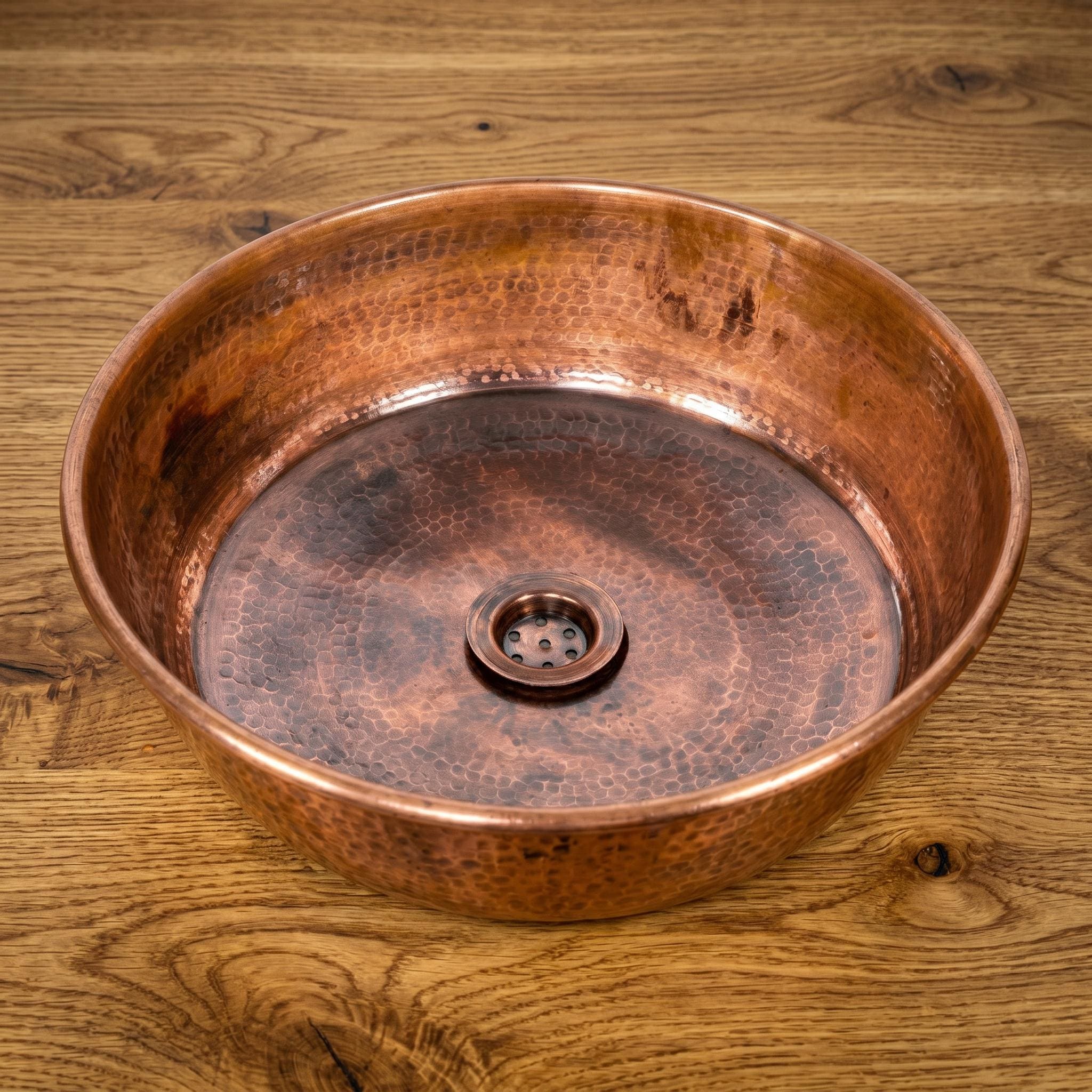
For the heartbeat of your vanity, explore handcrafted brass bathroom faucets with smooth, weighty handles and consistent flow. Pair them with solid brass sinks from Morocco where the softly hammered basins echo artisan touch and throw a golden shimmer onto surrounding plaster. In the shower, choose coordinated brass shower fixtures that carry the same finish and proportion, allowing patina to develop uniformly throughout the space.
Form, function, and feel
Test the ergonomics of handles if possible. Subtle knurling or hammering helps the hand find grip, and a well-weighted lever feels innately luxurious. Spout projection should match your sink depth, and wall-mounted mixers free up counter space while showcasing curved brass against plaster.
Mixing metals with intent
In Mediterranean bathrooms, one hero metal leads. Let aged brass take the stage, and add hints of blackened iron or oiled bronze in small doses—perhaps a mirror frame or shower door detail. Keep stainless steel minimal to maintain warmth.
Layering light with brass accents
Illumination transforms brass from merely beautiful to transportive. Soft, layered light amplifies texture, caresses patina, and captures the intimate glow associated with Moroccan interiors.
Flank the mirror with ornate brass wall sconces that throw filigreed patterns or diffuse light through frosted glass. In a larger bath, incorporate a pendant in the vestibule while keeping task lighting focused and gentle. For ambient warmth elsewhere, consider placing a small accent lamp beyond the bath threshold—perhaps on a dressing table—to extend the story of brass throughout the suite.
Balancing task and atmosphere
Use 2700–3000K bulbs for a candlelit hue that flatters skin and complements brass. Dimmer controls allow your bathroom to transition from morning ritual to evening spa effortlessly. Prioritize glare-free light at the mirror and simpler fixtures in the shower, where performance and moisture protection matter most.
Hardware details that complete the room
It is easy to focus on statement pieces and overlook the small notes that bring harmony. Hooks, rails, and discreet hardware carry the finish throughout the space, creating continuity and polish.
Keep towels within reach using matching brass wall hooks that echo the patina of your main fixtures. Recessed niches with a brass lip, an old-world key plate on a linen cabinet, or a delicate edge detail on a mirror all deepen the narrative. These touches, while modest, are the signatures of a room that was considered from every angle.
Installation and care for a lasting patina
Good installation protects both function and finish. Work with a plumber who understands living metals and will mask surfaces during construction. After install, adopt a simple care ritual that respects brass’s evolving beauty.
Daily and weekly habits
- After use, wipe water beads from spouts and handles with a soft cloth to guide even aging.
- Clean weekly with mild soap and warm water; dry thoroughly to avoid mineral halos.
- Avoid harsh chemicals or abrasive pads that can etch the metal or disrupt natural patina.
Occasional brightening
If you prefer a lighter patina, apply a gentle brass polish sparingly to high-touch areas only, then buff softly. Think of polishing as editing, not erasing, the story your fixtures are telling.
Hard water strategies
Where water is extremely hard, a filter or softener helps maintain finish balance. You can also place a small tray near the sink for wet items like rings to prevent concentrated spotting on counters and spouts.
Ethical sourcing and the artisan’s hand
Behind every graceful curve is a craftsperson—someone who knows the language of fire, metal, and form. Choosing Moroccan brass is also choosing to sustain a lineage of skill. Seek pieces that are hand-finished, fairly compensated, and produced in small ateliers where techniques are taught across generations. Your bathroom then becomes more than beautiful; it becomes connected to a community of makers whose artistry enriches daily life.
Frequently asked questions
Will aged brass stain my sink or counter?
Solid brass itself does not stain stone or plaster, but standing water mixed with minerals can leave rings. Dry surfaces after use and employ coasters or trays for wet toiletries to prevent marks on porous materials.
How quickly does patina develop?
Expect visible softening within weeks, with richer tones emerging over several months. Touchpoints age fastest; areas seldom handled darken more slowly. Climate and water composition influence the rate.
Can I keep brass bright and still let it age?
Yes. Polish sparingly on handles or lips of spouts to restore a touch of sheen while letting the rest mature naturally. This contrast—luster where hands land, softness elsewhere—feels authentic and luxurious.
Is it okay to mix aged brass with chrome fixtures?
It can be done, but choose one hero metal to lead. If chrome is present, limit it to plumbing internals or hidden components. Keep visible fixtures primarily in aged brass for a cohesive, warm palette.
What is the best sink style for a Mediterranean look?
Hammered or smooth-bowl brass basins, stone vessel sinks, and integrated tadelakt troughs all suit Mediterranean bathrooms. If you favor a metal basin, coordinate it with your faucet profile for harmony.
Are there special considerations for showers?
Use well-crafted solid brass valves and trims. After use, a quick towel-down prevents mineral buildup on trim plates and shower heads. Choose coordinated finishes so the enclosure reads intentional and serene.
How should I photograph and caption my finished space?
Shoot in natural light and highlight the interplay of patina with plaster and tile. For accessibility and SEO on your featured photo, consider alt text such as: “aged brass Moroccan bathroom fixtures in a Mediterranean tadelakt interior.”
Conclusion
A bathroom designed around aged brass Moroccan bathroom fixtures is more than a sum of parts; it is a lived-in sanctuary where morning light gilds a hand-hammered spout and evening steam softens every surface. By choosing solid brass that patinates gracefully, pairing it with lime plasters and artisanal tile, and tending it with simple care, you invite a uniquely Mediterranean calm into your daily rituals. Start with the essentials—selecting handcrafted brass bathroom faucets, anchoring the vanity with a solid brass sink, coordinating brass shower fixtures, layering light via artisan brass wall sconces, and finishing with matching brass wall hooks. Over time, your fixtures will write a story only your home can tell—one of craftsmanship, authenticity, and quietly radiant elegance.