Cart
0
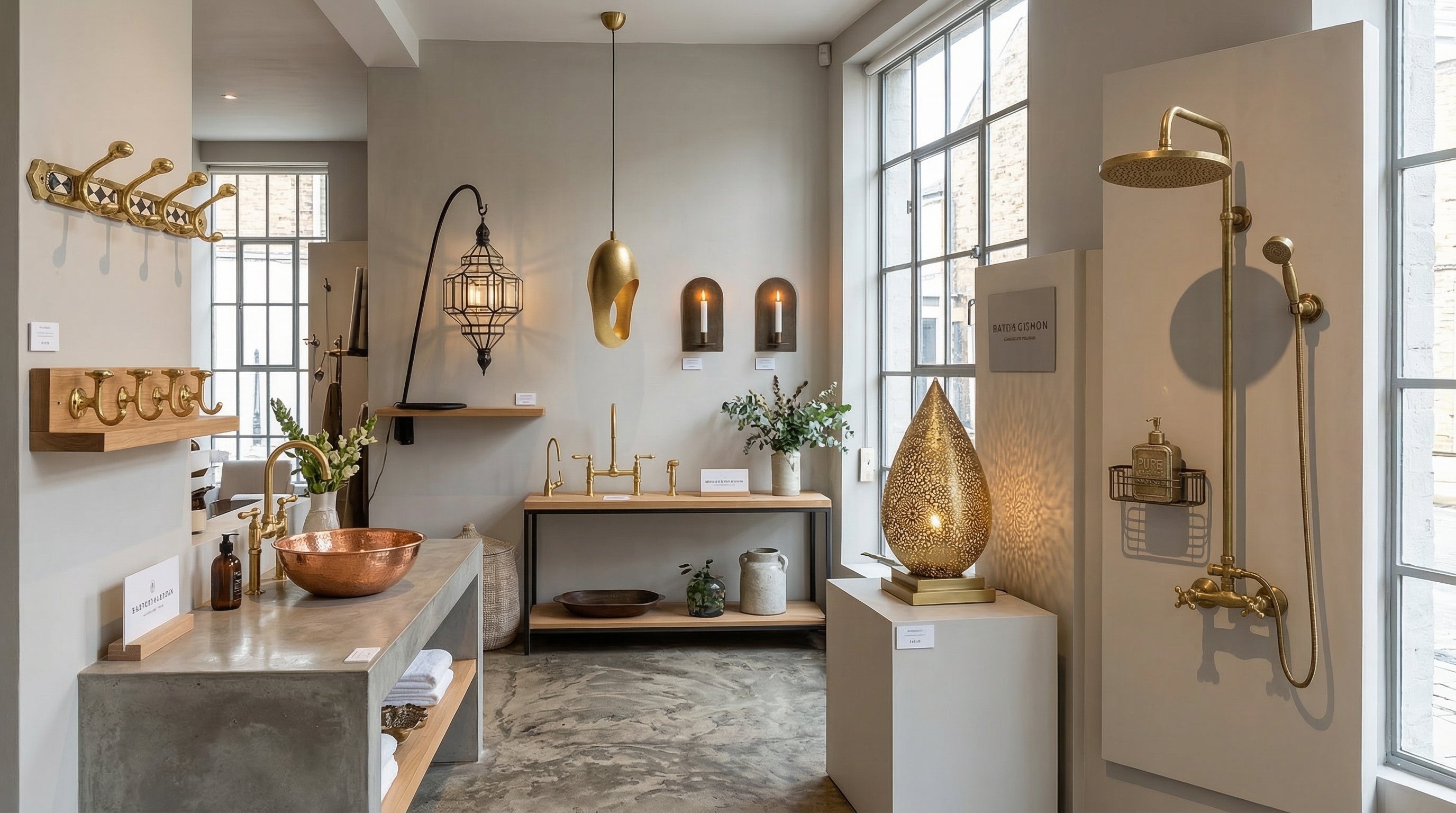
Few design moments feel as transportive as the first flicker of Moroccan filigree brass lighting across a whitewashed wall. The pierced latticework turns light into a living pattern—soft, enveloping, and quietly dramatic. In Mediterranean homes, where texture and natural warmth matter more than perfection, these fixtures offer not just illumination but atmosphere—an intimate theater of shadow and glow.
Table of Contents
- What Is Moroccan Filigree Brass Lighting?
- Why Shadow Matters in Mediterranean Interiors
- Craftsmanship: From Sketch to Latticework Glow
- Layering Light: A Room-by-Room Guide
- Styling with Color, Texture, and Materials
- Sizing, Hanging Heights, and Spacing
- Bulbs, Dimmers, and Light Temperature
- Care, Patina, and Longevity
- Ethical Sourcing and Supporting Artisans
- Buying Checklist
- FAQs
- Conclusion
What Is Moroccan Filigree Brass Lighting?
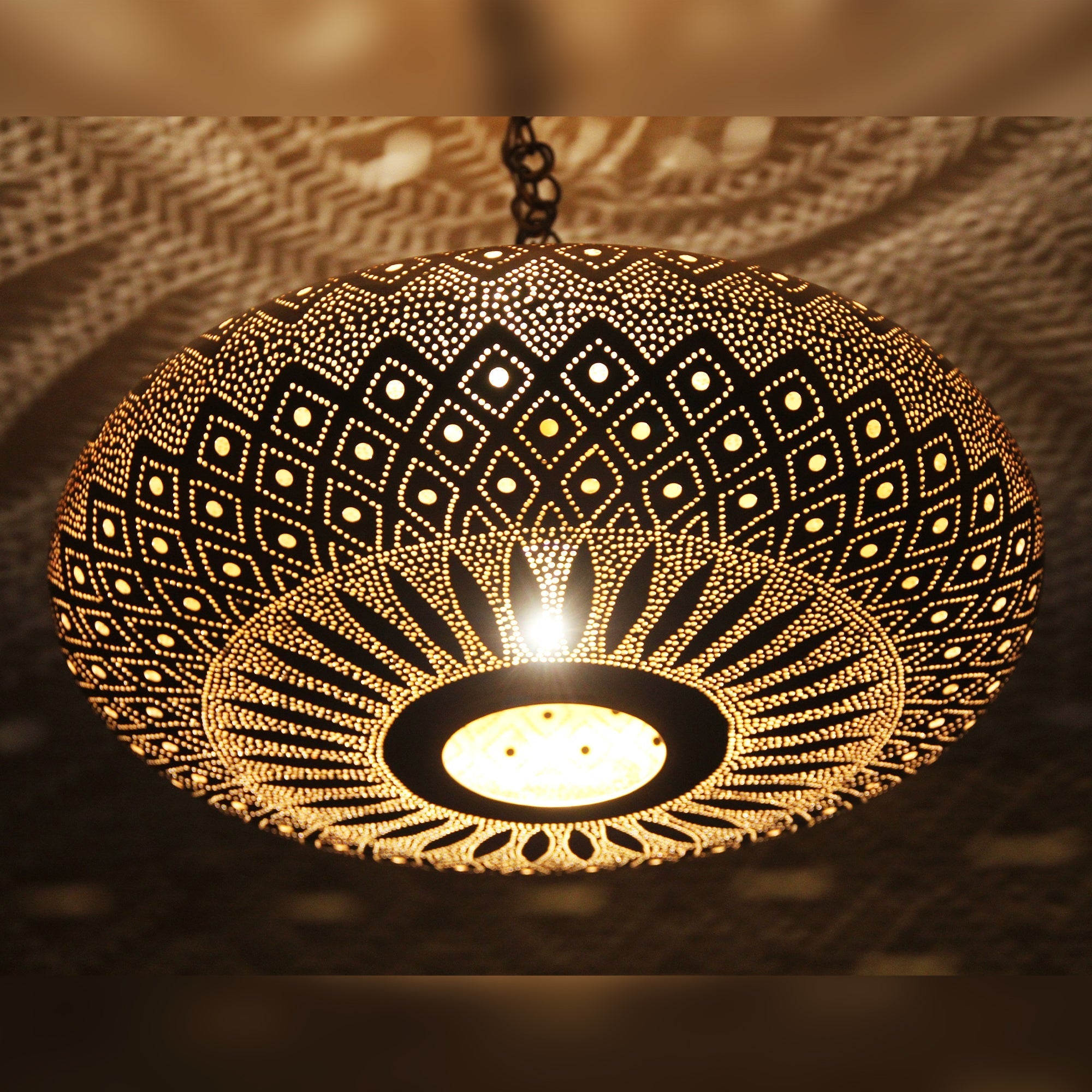
Moroccan filigree brass lighting refers to pendants, sconces, and lamps handcrafted from sheets of solid brass that are meticulously pierced by hand. Each opening, often a tiny teardrop or star, is planned to disperse light in a rhythm of pattern and negative space. The result: luminous motifs that drift across ceilings and walls, echoing the geometry of zellige tile and the fluidity of hand-carved woodwork found throughout the Maghreb.
Filigree differs from simple perforation. The piercing patterns in true filigree are considered and composed, playing with scale, density, and alignment to coax a sophisticated glow instead of a stark beam. Openings near the base typically widen to push more light downward for task clarity, while denser midsections soften glare at eye level, creating a candlelit quality even with modern bulbs.
If you’re exploring overhead fixtures to anchor your space, consider browsing a selection of hand-pierced ceiling lights that showcase both iconic and contemporary patterns.
Why Shadow Matters in Mediterranean Interiors
In Mediterranean design, light is a material. Coastal sun is filtered by shutters, woven shades, or thick plaster walls; nights fill with the hush of lamplight. The dance between crisp daylight and moody evening is part of the region’s soul. Moroccan filigree brass lighting honors this tradition by creating gradients of shadow—at once calm and alive.
Shadow softens geometry and introduces depth. A white wall becomes a textile of light; a limewashed arch takes on a patterned edge that shifts throughout the evening as bulbs warm and dimmers descend. In rooms layered with stone, wood, terracotta, and linen, filigree shadows complete the palette—subtle but unmistakably artisanal.
Craftsmanship: From Sketch to Latticework Glow
True filigree is a dialogue between designer and artisan. The process begins with a hand-drawn or stenciled motif, often inspired by Andalusian geometry, desert flora, or sacred star patterns. Brass sheets are traced, cut, and hammered to form; then the artisan pierces the pattern hole by hole, guided by rhythm and touch rather than automation. Edges are smoothed, surfaces are hand-burnished, and the interior often receives a soft sheen that enhances reflection.
Subtle irregularities are the signature of the craft. No two holes are exactly alike, and that is the point—the pattern breathes. Over time, natural oxidation warms the metal, lending the gentle patina that collectors prize. You can slow or accelerate this process, but the story of a well-loved piece always shows in its surface.
Layering Light: A Room-by-Room Guide
The most successful Mediterranean spaces mix multiple sources of light—ambient, task, and accent—so that each corner feels intentional. Consider these room-by-room strategies.
Living Room: A Canvas for Pattern
Let a filigree pendant establish mood from above. Balance its poetry with low-level glow from pottery lamps and sculptural brass pieces. Where walls frame arches or alcoves, add gentle points of light that kiss plaster with a filigree shadow. For elegant yet functional accents, explore brass wall sconces—they’re perfect for flanking a fireplace, highlighting art, or outlining an architectural niche without visual clutter.
Dining Room: Shadow as a Tablecloth
Over a rectangular table, a single elongated pendant or a trio of smaller filigree fixtures spreads pattern like an ephemeral runner. Keep sightlines open and set the dimmer low for intimate dinners. Candlelight multiplies the effect—layer a few artisan votives or add sculptural tapers for height. If you enjoy a glow that lives at table level, anchor the sideboard with a pair of brass table lamps to balance the overhead piece while adding warmth and symmetry.
Bedroom: Whispered Geometry
Opt for a compact filigree pendant or two small pendants hung low as bedside lighting, replacing traditional lamps to free the nightstand. A restrained pattern is soothing, especially in rooms that lean toward linen, plaster, and wood. Keep temperature warm and dimmable for bedtime reading and pre-dawn rituals.
Bathroom: Spa by Starlight
Bathrooms call for targeted illumination. Use a softly patterned pendant to create atmosphere—just enough shimmer to make tile sing. Combine it with crisp vanity lighting and a pair of discreet sconces for balance. When you want a luxurious hint of color, consider adding accent pieces like colored Moroccan glass lamps elsewhere in your home to carry a cohesive glow palette from room to room.
Entry and Hallways: Welcome, Then Reveal
In transitional spaces, a small filigree lantern leads the eye forward, while wall lighting brings dimension to long corridors. For graceful wayfinding that doubles as sculpture, try staggered brass wall lights spaced along the hall to paint quiet patterns and prevent shadows from feeling heavy.
Styling with Color, Texture, and Materials
Filigree brass lights thrive in layered interiors. The key is harmony, not matching.
- Walls: Limewash, clay paint, and plaster amplify shadow with velvety diffusion. Crisp eggshell also works, giving motifs a subtle edge.
- Textures: Pair with Berber rugs, woven baskets, raw linens, and carved wood. The interplay of soft fibers and cool metal feels grounded and inviting.
- Color: Sand, ochre, and olive make brass read warmer. Indigo or pomegranate accents provide a jewel-toned counterpoint without overwhelming the palette.
- Balance: Let one heroic pendant lead, then echo its metal tone in small touches—trays, frames, or artisan candle holders—to tie the room together without over-accessorizing.
Sizing, Hanging Heights, and Spacing
Right-sized fixtures feel inevitable—neither apologetic nor overbearing. Use these guidelines as a starting point, then trust your eye and the room’s proportions.
- Diameter for Pendants: In living and dining rooms, aim for 1/2 to 2/3 the width of the surface or zone you’re lighting. Over dining tables, leave 12–18 inches of clearance from table edge to pendant edge.
- Hanging Height Over Tables: Typically 30–36 inches from tabletop to the bottom of the pendant. Higher ceilings can handle slightly more height; dimmers keep glare in check.
- Kitchen Islands: If using a row, space pendant centers 24–30 inches apart. For a single, size up and keep 30–34 inches above the counter for clear sightlines.
- Ceiling Height: In rooms with 8-foot ceilings, choose compact shades or semi-flush profiles. Higher ceilings welcome taller lantern forms that elongate the space.
- Wall Sconces: Mount 60–66 inches from the floor to the center of the sconce, adjusting for mirror height or doorframes as needed.
Bulbs, Dimmers, and Light Temperature
The bulb is your brush. A considered choice turns pretty patterns into transportive light.
- Temperature: Target 2200–2700K for a candlelike warmth that flatters skin tones and makes plaster glow. Avoid cool white; it flattens texture and erases romance.
- Brightness: Around 300–500 lumens per pendant is usually sufficient for mood; add task lighting as needed. Bedrooms and dining rooms thrive on the low end, while entries can support slightly brighter bulbs.
- Shape: Smaller bulbs often sit deeper inside the shade, minimizing glare and enhancing shadow play. Frosted bulbs reduce hotspots; clear bulbs sharpen the pattern.
- Dimmers: Always. They let you flex from day to night, dinner to after-glow, reading to dreaming.
Care, Patina, and Longevity
Brass is a living finish. Expect a gentle evolution from bright notes to honeyed warmth as months pass—especially in coastal climates. This is part of its beauty.
- Daily Care: Dust with a soft, dry cloth. Avoid harsh chemicals and rough pads that can scratch or strip finish.
- Deep Clean: If needed, a tiny drop of mild soap on a damp cloth, followed by thorough drying. For unlacquered brass, a specialized brass paste can brighten selectively—test first to preserve character.
- Patina Preference: If you love a consistent tone, choose lacquered brass. If you embrace the journey, select unlacquered and let time write its story.
Ethical Sourcing and Supporting Artisans
Hand-pierced lighting sustains a heritage of metalwork passed from master to apprentice across generations. Look for workshops that pay living wages, maintain safe environments, and celebrate the artisan’s signature. Transparent sourcing and fair pricing protect the craft and ensure your piece carries meaning beyond aesthetics.
Buying Checklist
- Pattern Integrity: Are the piercings clean and consistent, with a clear rhythm? Slight variation is ideal; sloppy cuts are not.
- Metal Quality: Solid brass (not plated) ages gracefully and can be revived as needed.
- Finish: Decide between lacquered (steady tone) and unlacquered (patina-forward). Confirm how the inside is treated for optimal reflection.
- Scale: Map dimensions with painter’s tape or paper cutouts to test proportions in your room.
- Wiring and Mounting: Ensure UL/CE-compliant components and hardware appropriate to your ceiling type.
- Layering Plan: Pair your pendant with supporting light—consider refined brass wall sconces and tactile table lighting to complete the scheme.
- Style Cohesion: If your space leans bohemian, maximalist, or quietly coastal, choose pattern density accordingly. Minimal motifs read calmer; intricate ones create jewel-box drama.
Frequently Asked Questions
Will filigree shadows make my space feel dark?
Not when layered thoughtfully. Treat your filigree piece as ambient mood lighting, then add targeted sources like sconces and table lamps. Dimmers let you dial brightness to suit the moment. For a balanced mix, complement your pendant with stately brass table lamps that ground the room at eye level.
Can I use filigree lighting in a modern interior?
Absolutely. The clean geometry of the patterns pairs beautifully with minimal forms, concrete, and glass. Choose a simpler motif and a streamlined silhouette to keep the look crisp.
What bulb best showcases the pattern?
A warm LED (2200–2700K) with a frosted finish reduces hotspot glare and preserves the soft envelope of shadow. In larger rooms, use two sources rather than a single ultra-bright bulb to avoid flattening the pattern.
How do I prevent glare at seating height?
Hang the fixture so the brightest part of the bulb sits above typical sightlines. Opt for frosted glass bulbs, and keep a dimmer within reach. You can also choose shades with denser piercing around the midsection.
Are filigree fixtures high-maintenance?
Not at all. Routine dusting is usually enough. A gentle seasonal clean keeps the glow pristine, and patina develops gracefully—especially with solid brass.
How many pendants over a kitchen island?
For standard islands, two medium fixtures or three smaller ones often provide ideal balance. Space centers 24–30 inches apart, and hang 30–34 inches above the counter. If you prefer a single statement piece, explore elongated forms designed for ceiling installations that keep sightlines open.
Conclusion
Moroccan filigree brass lighting is more than a fixture—it’s a nightly ritual. As dusk settles, patterns bloom across plaster and stone, inviting you to slow down and savor the glow. In Mediterranean-inspired homes, this shadow art completes the conversation between texture, color, and craft. Start with a statement pendant, steady the rhythm with refined wall lights, and finish with collected touches—from sculptural objects to artisan candle holders—that make the room unmistakably yours.
Recommended featured image alt text: "Moroccan filigree brass lighting casting latticework shadows in a Mediterranean living room."