Cart
0
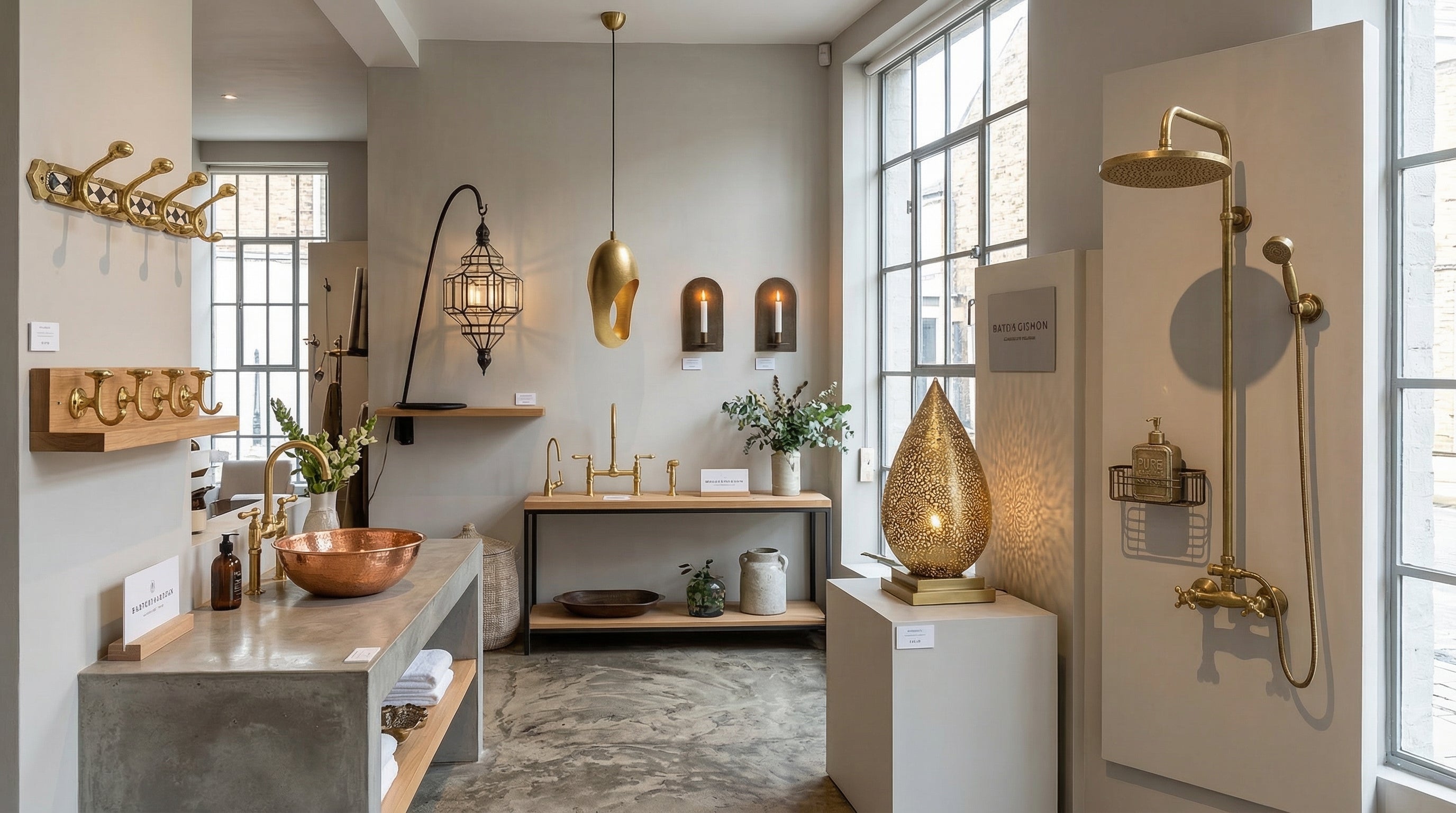
There is a quiet magic that happens when water, lime-plastered walls, and brushed brass bathroom fixtures meet. The room feels warmer. Edges soften. Light deepens to a honeyed glow that flatters skin and stone alike. In the Moroccan tradition—born from hammams, courtyards, and patient handcraft—brushed brass is more than a finish. It is a living surface that matures gracefully, a material that speaks to calm ritual and timeless taste.
Table of Contents
- The Soul of Brushed Brass: Why It Works
- Pairing with Tadelakt, Zellige, and Stone
- Planning a Spa-Ready Layout
- Light, Reflection, and Warm Metals
- Care, Patina, and Daily Rituals
- Sustainability and Craft Integrity
- Installation Dimensions That Matter
- Case Study: From 5 m² Bath to Urban Hammam
- Shopper’s Checklist
- FAQ
- Conclusion
Why Brushed Brass Bathroom Fixtures Define Modern Moroccan Luxury
In Moroccan interiors, metals have always balanced the earthy tactility of lime plasters, terracotta, and carved woods. Polished brass can feel ceremonial; matte black, decisively modern. But brushed brass sits in a beautiful middle ground—velvety, light-catching, and quietly refined. It tempers glare, softens lines, and invites touch. When paired with water and warm stone, it evokes the hush of a hammam while still reading thoroughly contemporary.
Unlike lacquered or chrome finishes, brushed brass carries a gentle grain that diffuses light. That subtle texture makes it perfect for morning routines and candlelit baths alike. It’s handsome without being ostentatious, and its restrained sheen is forgiving of fingerprints and mineral spots, especially in busy households.
What Makes Brushed Brass Different?
- Texture over gloss: Micro-abrasions diffuse reflections, creating a soft sheen rather than a mirror finish.
- Color depth: Warm gold undertones harmonize with Mediterranean palettes—chalky whites, sea greens, terracotta, and indigo.
- Patina potential: Without heavy lacquers, brass ages with character, deepening to a rich, nuanced tone.
A Living Finish Worth Celebrating
In Moroccan craft, a “living finish” is embraced rather than feared. The surface records encounters with water, soap, and time, much like a leather-bound journal. In a few months, brushed brass shifts from newly minted to time-softened—developing a mellow glow that feels collected and personal. If you prefer to maintain a lighter tone, simple care rituals will keep it luminous without removing its soul.
Pairing Brushed Brass with Tadelakt, Zellige, and Natural Stone
Materials are the vocabulary of mood. To evoke an authentically Mediterranean calm, choose elements that respond to light and touch as thoughtfully as your fixtures do.
Tadelakt: The Water-Polished Wall
Tadelakt—burnished lime plaster—is the quintessential Moroccan surface for wet rooms. Its satin, subtly clouded finish amplifies the warmth of brushed brass. The interplay is intimate: soft-on-soft, matte-with-matte. Together they create an enveloping cocoon ideal for long baths and steam. Consider shades like chalk, almond, natural stone grey, and buff sand. The slight movement in tadelakt’s hand-polished surface accentuates the brushed grain of the brass, creating depth without visual noise.
Zellige: Light That Dances
Hand-cut zellige tile, with its irregular sheen and tonal variation, gives water a stage. Even a small field—say behind a vanity—throws delicate reflections that brushed brass catches and warms. Palettes to try:
- Salt and saffron: Ivory tiles with occasional honey notes to echo the brass.
- Sea foam and sand: Soft green zellige with neutral grout, grounded by brushed brass accents.
- Indigo and oat: Deep blue tiles offset by oat-colored plaster and the glow of brass.
Stone and Wood: Grounding the Glow
Let the fixtures do the sparkling while surfaces offer calm. Honed limestone, travertine, or a pale terrazzo complements brass superbly. For warmth, add cedar or walnut shelving sealed for baths. The result is a layered atmosphere that feels both resort-level and deeply at home.
Planning a Spa-Ready Layout with Moroccan Proportions
Luxury rests as much in comfort and flow as in materials. Think like a hammam: wide, generous gestures; restful sightlines; and intuitive touchpoints.
The Vanity: Elevated Everyday Ritual
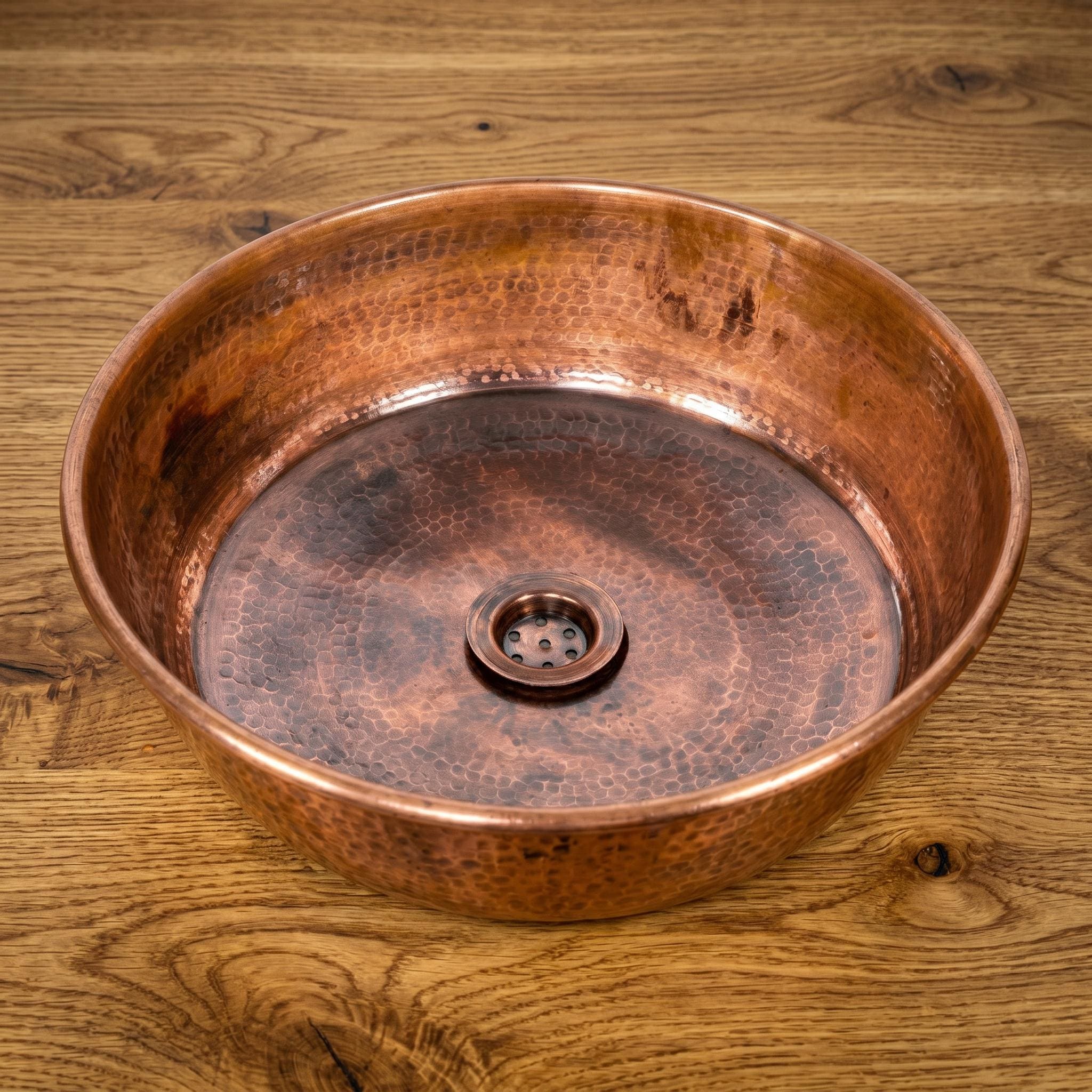
Place the faucet so water meets the center of the basin without splashing the back ledge. If you’re upgrading hardware, consider blending functionality with craft by choosing solid brass bathroom faucets with traditional silhouettes refined for modern plumbing. Pairing these with hand-hammered brass sinks creates a sculptural focal point that feels quietly opulent, even in compact spaces.
The Shower: A Private Hammam
A brushed brass overhead shower paired with a hand shower offers indulgence and practicality. If you prefer enveloping steam with minimal splash, a partially enclosed niche with tadelakt walls and a stone bench is transformative. Explore coordinated sets designed for harmony by browsing Moroccan shower systems in brass that keep lines consistent from valve to head and handshower.
Hooks, Rails, and the Rhythm of Use
True spa quiet comes from objects having purposeful places. Group towels, robes, and bathing tools where your hand reaches naturally. Detail matters: a row of solid brass wall hooks across warm plaster feels like jewelry for the room and won’t fight the fixtures’ tone.
Light, Reflection, and Warm Metals
Bathrooms live or die by light. Brushed brass, with its softened reflectivity, is beautifully photogenic and mercifully flattering. A layered plan—ambient, task, and accent—draws the best from stone and metal.
Ambient Glow
Opt for dimmable ceiling lighting that washes walls rather than blasting down. Light grazing tadelakt creates pearlescent depth, making fixtures appear richer. Keep color temperature between 2700K and 3000K to protect the brass’s warmth.
Task and Accent
Flank the mirror with warm, even light at face level so brushed brass taps and handles sparkle without glare. Consider elegant brass wall sconces with opaline or smoked glass so illumination feels like candlelight rather than car headlights. A restrained sconce silhouette lets your fixtures remain the star.
Care, Patina, and Daily Rituals
With brushed brass, maintenance should feel like hospitality, not housekeeping. Gentle, regular care preserves the finish’s calm glow while allowing the patina to mature beautifully.
Daily and Weekly Care
- After water exposure: A quick wipe with a soft cloth prevents mineral build-up.
- Weekly routine: Use warm water with a drop of mild, non-citrus soap. Rinse and dry. Avoid abrasives or harsh chemicals.
- For stubborn spots: A little white vinegar diluted in water, applied to a cloth, then rinsed immediately. Dry thoroughly.
Patina Preferences
- Let it evolve: Embrace gentle darkening at edges and around handles; it reads collected and authentic.
- Keep it lighter: Apply a microcrystalline wax sparingly every few months. Test first to confirm sheen preference.
Sustainability and Craft Integrity
True luxury honors materials and makers. Look for solid-brass construction, not light alloys. Solid brass is naturally corrosion-resistant and, when well made, serviceable for decades. Many artisans work with responsibly sourced brass and time-tested finishes that do not rely on heavy lacquers. This reduces volatile compounds and allows for repair and refinishing rather than replacement.
Handcrafted details—subtle hammer marks, softly rounded edges, balanced proportions—are hallmarks of Moroccan craftsmanship. They speak to longevity, not trend. In a world of single-use objects, choosing durable, repairable brass is not only elegant but also ethical.
Installation Dimensions That Matter
Beauty delights; proportion reassures. Use these artisan-approved guidelines to align form with function:
Vanity and Basin
- Spout reach: Aim for the water stream to hit roughly the center of the basin. Typical spout reach is 5–7 inches (13–18 cm) beyond the faucet body.
- Spout height: 9–12 inches (23–30 cm) above the basin rim, depending on vessel depth and splash characteristics.
- Mirror lighting height: Center sconces at 60–66 inches (152–168 cm) from finished floor so light meets the face evenly.
Shower
- Shower head: 80–84 inches (203–213 cm) from finished floor for most users; consider ceiling height and rainfall style.
- Hand shower bar: Place 42–48 inches (107–122 cm) for flexible reach, higher if users are tall.
- Mixing valve depth: Follow the rough-in guidelines precisely; brushed brass trims look their best when set flush and true.
- Bench and niche: Bench at 17–19 inches (43–48 cm) high; niche shelves at 42–48 inches (107–122 cm) for easy reach.
Accessories
- Towel bars: 48 inches (122 cm) to center from floor is standard; adjust for user height.
- Hooks: 66–70 inches (168–178 cm) from floor prevents towels touching the ground and shows off their drape on those handsome brass pegs.
Case Study: From 5 m² Bath to Urban Hammam
In a compact city apartment, a young couple wanted the enveloping calm of a Moroccan spa without losing precious storage. We started with a restrained palette: chalk tadelakt, pale travertine, and brushed brass bathroom fixtures. A softly rounded vanity, finished in limewash, anchored the room. We mounted a slim backsplash of off-white zellige to the mirror’s lower third so the sconce light could dance—gentle, not glittery.
For the shower, we carved a niche beneath a small clerestory window, then introduced a brass rainfall head with a coordinating valve and hand shower. A simple stone bench extended the sense of length and invited slow bathing rituals. The couple chose coordinated hardware to keep visual language consistent: faucets, shower trim, and a row of brass hooks for robes and towels. To avoid clutter, a floating shelf in sealed cedar held bathing essentials; the shelf’s warmth pairing to brass created a quiet continuity.
Within weeks, the fixtures began to mellow. The handles—touched daily—took on a deeper tone, while the spout kept a lighter glow. Under morning light, the room read like cream and gold; at night, more like candle and honey. Storage increased through careful placement rather than added bulk, and the experience of bathing shifted from rush to ritual.
Shopper’s Checklist: Build Your Moroccan Spa Palette
- Foundational finishes: Tadelakt or limewash walls in chalk or sand; honed travertine or limestone floors.
- Feature surface: A panel of hand-cut zellige behind the vanity or within the shower niche for subtle sparkle.
- Core fixtures: Coordinated solid brass bathroom faucets, brass shower fixtures, and, if you love the sculptural look, hand-hammered brass sinks.
- Lighting: One ambient ceiling source and a pair of brass wall sconces flanking the mirror with warm 2700–3000K lamps.
- Accessories: A measured row of solid brass wall hooks; woven baskets; linen or Turkish cotton towels.
- Finishing touches: Moroccan candlelight, a cedar stool, and a sprig of eucalyptus to greet steam.
FAQ
Will brushed brass bathroom fixtures tarnish?
Yes—but in the best way. Expect a gentle deepening of tone where hands and water meet. Regular wiping and mild soap keep the look elegant. If you want to slow patina, a light, occasional wax helps while preserving the brushed character.
Are brushed brass finishes hard to coordinate?
No. Their warm neutrality pairs with creams, stone greys, soft greens, terracotta, and deep blues. The key is repeating the tone in small accents—hooks, a frame, a sconce—so the room feels cohesive but not matchy.
What’s the difference between brushed and satin brass?
Both are low-gloss. Brushed typically shows a fine directional grain; satin is often slightly smoother and more uniform. In practice, they play well together in the same space if tones are close.
How do I reduce water spots in a hard-water area?
Install a simple in-line filter or wipe fixtures after use. Weekly, clean with diluted mild soap, rinse, and dry. Avoid citrus or bleach cleaners that can strip the finish’s warmth.
Can I mix brushed brass with other metal finishes?
Yes, though restraint is key. Pair brushed brass with aged bronze or black in small doses—think a mirror frame or a cabinet pull. Keep plumbing fixtures unified to maintain serenity.
Are solid-brass fixtures worth the investment?
Absolutely. Solid brass resists corrosion, is serviceable over decades, and ages gracefully. It is a foundational choice in quality Moroccan craftsmanship.
Conclusion: Slow Luxury, Every Day
In a world that moves quickly, the bathroom is a rare pause. Choosing brushed brass bathroom fixtures is an invitation to slow living—warm to the eye, kind to the hand, and anchored in craft. Paired with tadelakt, zellige, stone, and thoughtful lighting, brushed brass shapes a room that breathes with you from sunrise to candlelight. It is modern, yes, but it also feels inevitable—like sunlight on limestone or water finding its level. May your rituals be unhurried and your space quietly radiant.
Suggested image alt text: Moroccan-inspired bathroom with tadelakt walls, zellige accents, and brushed brass bathroom fixtures glowing in warm light.