Cart
0
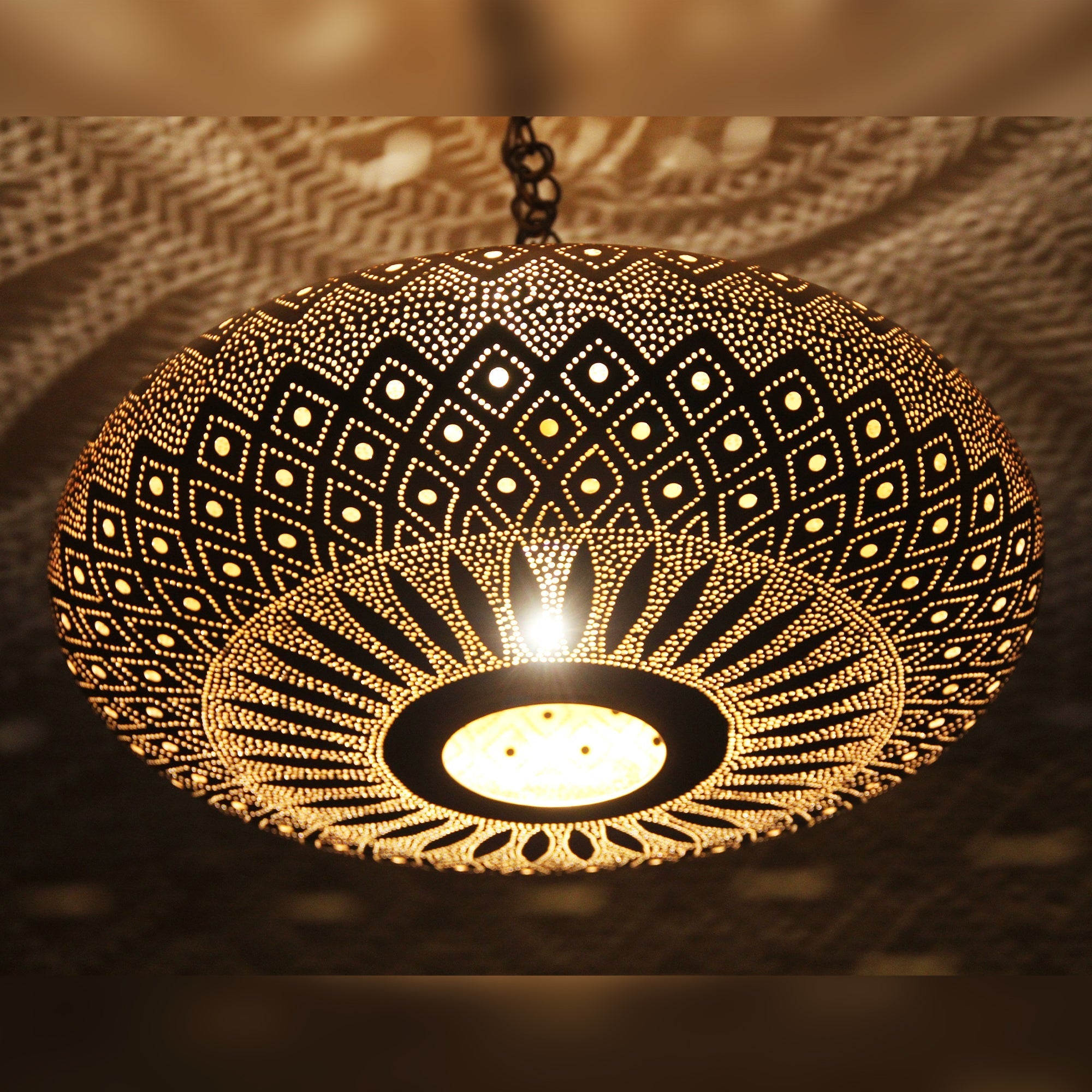
In the right hands, light becomes a material as tactile as stone or wood. Moroccan brass lattice lighting captures this truth perfectly—diffusing illumination through thousands of hand-pierced apertures to paint walls with intricate, moving shadow. The result is a living, breathing ambiance that feels at once intimate and expansive, especially within a Mediterranean-inspired home. This guide explores how Moroccan brass lattice lighting can anchor a layered lighting scheme, enhance natural textures, and bring a soulful glow to every room.
Table of Contents
- What Is Moroccan Brass Lattice Lighting?
- Why Layered Shadows Elevate Mediterranean Interiors
- Selecting Scale, Pattern, and Silhouette
- Brass Finishes, Patina, and the Beauty of Time
- Room-by-Room Guide
- Materials and Palettes That Sing with Brass
- Installation, Dimming, and Bulb Temperatures
- Caring for Hand-Pierced Brass
- Ethical Craftsmanship and Cultural Lineage
- Styling Vignettes: Sconces, Lanterns, and Tablescapes
- FAQs
- Conclusion
What Is Moroccan Brass Lattice Lighting?
At its core, Moroccan brass lattice lighting refers to fixtures fashioned from hand-worked brass, pierced and engraved to form lattice-like motifs. These patterns—rooted in geometric ornament, mashrabiya screens, and centuries of metal artistry—transform light into filigree. When illuminated, the fixture becomes a lantern of shadow, projecting arabesques and constellations across nearby surfaces.
The work is intensely tactile. Artisans sketch designs, punch each opening by hand, then planish, solder, and finish every component. This process creates subtle irregularities that catch light differently from any machine-made counterpart. That nuance matters: the interplay between warm brass and ambient light imbues spaces with depth, calm, and a quiet sense of ceremony.
To begin exploring statement pendants and lanterns that cast spellbinding patterns, discover our selection of hand-pierced Moroccan ceiling lights designed for meditative living rooms, dining rooms, and entryways.
Why Layered Shadows Elevate Mediterranean Interiors
Mediterranean interiors thrive on texture: limewash, stone, tadelakt, terra-cotta, bleached woods, and woven fibers. Moroccan brass lattice lighting complements these elements by adding a kinetic layer—shadows that shift as the sun sets and the room’s lighting levels change.
- Depth and Softness: Latticed light softens architectural geometry, bringing subtle movement to calm, monochromatic palettes.
- Evening Rituals: As daylight fades, patterned shadows cue a slower pace—ideal for dinners, reading, or conversation.
- Architectural Emphasis: Cutwork light defines arches, niches, and beams, underscoring the Mediterranean love of contour and craft.
Selecting Scale, Pattern, and Silhouette
Choosing the right fixture is about proportion as much as ornament. Consider ceiling height, room size, and surface reflectivity before finalizing your selection.
Scale by Space
- Grand rooms: Open-plan living areas and double-height entries can host larger domed or teardrop pendants. Their expansive patterns enliven generous walls and ceilings.
- Medium rooms: Dining rooms and primary bedrooms benefit from mid-sized drum or onion silhouettes that focus detail over tables or beds.
- Intimate spaces: Reading nooks, hallways, and dressing rooms glow under smaller pendants or compact sconces, where fine lattice feels like jewelry for the room.
Pattern Density
- Fine Piercing: Densely pierced patterns yield a lacy glow with delicate shadow. Ideal for bedrooms and baths where softness is welcome.
- Open Piercing: Larger apertures project bolder motifs—perfect for dining and living rooms where you want dramatic geometry on walls and ceilings.
Silhouette Notes
- Dome and Drum: Classic forms that cast symmetrical halos; versatile in modern or traditional settings.
- Teardrop and Onion: Sculptural and romantic, these forms emphasize vertical volume and draw the eye upward.
- Geometric Lantern: Faceted silhouettes complement arched doorways and tiled floors with angular contrast.
For layering alongside a central pendant, incorporate artisan-made brass wall sconces with pierced patterns. They frame architectural features and give evening light a soft, enveloping cadence.
Brass Finishes, Patina, and the Beauty of Time
Brass is a living metal. As it reacts with the environment, its tone matures from bright gold to a mellow, antique finish embraced by Mediterranean interiors.
- Polished: Reflective and glamorous; best where you want a scintillating accent against matte plaster or stone.
- Satin: Understated sheen that reads refined and contemporary.
- Antiqued/Patinated: Warm, nuanced, and quietly luxurious—ideal for heritage and coastal homes.
Let brass age gracefully. Micro-variations across hand-finished surfaces carry the artisan’s touch and tell the story of your home’s daily rituals.
Room-by-Room Guide
Living Room
Center the space with a mid-to-large pendant whose lattice echoes other patterns: a Berber rug, woven baskets, or carved wood. Balance with two to four sconces on dimmers for graduated evening light. Add a reading corner with a brass table lamp to complement the pierced glow without competing for attention.
For intimate ambient lighting, consider a sculptural brass table lamp on a side table or console to balance the drama of your main pendant.
Dining Room
Over a long table, a pair of smaller pendants can feel more intimate than one oversized piece. Choose a pattern density that flatters tabletops without creating hard contrasts on guests’ faces. Keep light dimmable and warm (see bulb guidance below).
Complete the table atmosphere with low, flickering accents from artisan holders—our collection of hand-finished candle holders pairs beautifully with brass latticed fixtures.
Kitchen
Task lighting and atmosphere must coexist here. Combine a sealed glass-lined lattice pendant above an island with architectural downlighting. Use under-cabinet strips for prep, then switch to the pendant for dining or late-night tea. A gentle patina will harmonize with stone counters and wood cabinetry.
Bedroom
Opt for finer piercing to create delicate patterns that lull rather than stimulate. Bedside sconces free the nightstands and keep cable clutter at bay. A low-lumen, warm bulb makes patterned light tender and sleep-friendly.
Bathroom
In humidity-prone spaces, place lattice fixtures where moisture exposure is controlled, and pair with task-safe mirrors and downlights. The contrast of brass and plaster feels quintessentially Mediterranean—cool, tactile surfaces warmed by soft gold hints.
Entryway and Hall
Set the tone with a single statement lantern that casts a ceremonial halo across the threshold. In corridors, a rhythm of compact sconces creates glow points that guide the eye while highlighting architectural details or art niches.
For layered drama at the threshold, explore our collection of pierced ceiling lanterns and pendants that greet guests with a welcoming tapestry of light.
Materials and Palettes That Sing with Brass
Mediterranean style is grounded in natural materials and artisan surfaces. Moroccan brass lattice lighting adds a polished counterpoint to the following:
- Limewash and Tadelakt: Their matte, cloud-like finish loves warm, reflective metal.
- Stone and Terra-Cotta: Veins and clay tones glow under patterned light, deepening contrast and texture.
- Reclaimed Woods: Brass warms cool grays and highlights natural grain.
- Textiles: Linen, wool, and raffia absorb and diffuse light for a gentle, lived-in atmosphere.
To add a note of color without breaking the harmony, introduce a single accent lantern from our Moroccan glass lamp collection—its jewel-toned glow can echo ceramics or artwork while the brass retains visual continuity.
Installation, Dimming, and Bulb Temperatures
Mounting Height and Spread
- Dining Table: Bottom of pendant 28–34 inches above the tabletop for convivial sightlines and balanced shadow.
- Kitchen Island: 30–36 inches above the countertop; space multiple fixtures evenly to avoid overlapping patterns.
- Entryway: Maintain at least 7 feet clearance beneath the fixture; adjust for door swing and staircase views.
Dimming and Control
- Dim-to-Warm LEDs: These shift from ~3000K down to ~2000K as you dim, echoing candlelight.
- Layered Zones: Put pendants, sconces, and task lights on separate circuits. Layering lets you choreograph mood from morning to midnight.
Bulb Temperature
- Kitchen/Work: 2700–3000K for clarity without harshness.
- Living/Dining/Bedroom: 2200–2700K for warmth and intimacy.
- Bathrooms: 2700–3000K for accurate skin tones and a spa-like glow.
Caring for Hand-Pierced Brass
Maintenance is straightforward and gentle:
- Dusting: Use a soft, dry microfiber cloth weekly; avoid catching the cloth on pierced edges.
- Cleaning: If needed, lightly dampen with distilled water and immediately buff dry. Never use ammonia or abrasive cleaners.
- Preserving Patina: Embrace natural aging. If you prefer less patina, consult a professional for conservation-grade wax rather than lacquer.
Ethical Craftsmanship and Cultural Lineage
Buying Moroccan brass lattice lighting supports a lineage of metalworkers who pass skills across generations. Each piece reflects a studio’s sensibility—pattern density, edge finishing, patina tone—small signatures that make your light truly one of a kind. When you invest in artisan work, you invite cultural memory into your home and sustain the communities who keep these traditions alive.
Styling Vignettes: Sconces, Lanterns, and Tablescapes
Think of light in musical terms: the pendant is your melody, sconces are harmony, and tabletop glow provides rhythm. Use two or three layers per scene:
- Reading Nook: A compact lattice sconce plus a soft-shaded brass table lamp yields readable, cocooned light.
- Console Moment: A small lattice lantern above a console with candlelight below creates a welcoming, ceremonial entrance.
- Dining Drama: Pair a central pendant with candle holders and one jewel-toned glass lamp nearby for depth and sparkle.
Explore patterns and profiles for perimeter lighting in our curated brass wall sconce collection, then ground the scene with warm pools of light from luminous brass table lamps.
FAQs
What makes Moroccan brass lattice lighting different from other pendant styles?
Hand-pierced patterns turn illumination into ornament, producing dynamic shadows that read as architectural texture. Machine-made fixtures seldom replicate this nuance.
Will the shadows feel too intense?
Pattern density, bulb type, and dimming control the effect. Choose finer piercing and warm, dimmable bulbs for soft, restful shadow; select open piercing for dramatic, graphic projection.
How do I mix brass lattice lighting with modern decor?
Pair with simple silhouettes, matte plaster or limewash walls, and clean-lined furnishings. The dialogue between minimal forms and ornate light feels fresh and elevated.
Is patina a flaw?
No—patina is the hallmark of living brass. It deepens color and adds authenticity, especially in Mediterranean schemes that celebrate natural materials.
What color temperature is best?
Use 2200–2700K for mood and 2700–3000K for tasks. Dim-to-warm bulbs elegantly transition between both.
Can I use lattice lighting in a bathroom?
Yes, if placed away from direct water and paired with appropriate task lighting. Choose humidity-conscious installation and consult an electrician for safe placement.
Do I need multiple fixtures?
Layering yields the most comfortable spaces. Combine a centerpiece pendant with sconces and table lamps to sculpt light at various heights and intensities.
How do I choose the right size pendant?
Match scale to room volume and viewing distance. Large rooms and high ceilings benefit from taller or wider forms; small rooms look considered with compact silhouettes.
Conclusion
Moroccan brass lattice lighting offers more than illumination—it composes a language of shadow and reflection that enlivens Mediterranean interiors. When paired with natural materials, thoughtful dimming, and complementary layers such as sconces and table lamps, these fixtures quietly elevate everyday rituals into art. Whether you’re dressing a serene bedroom, an open-plan living space, or an inviting entry, let pierced brass become your home’s most poetic material of light.
Recommended Alt Text for Featured Image
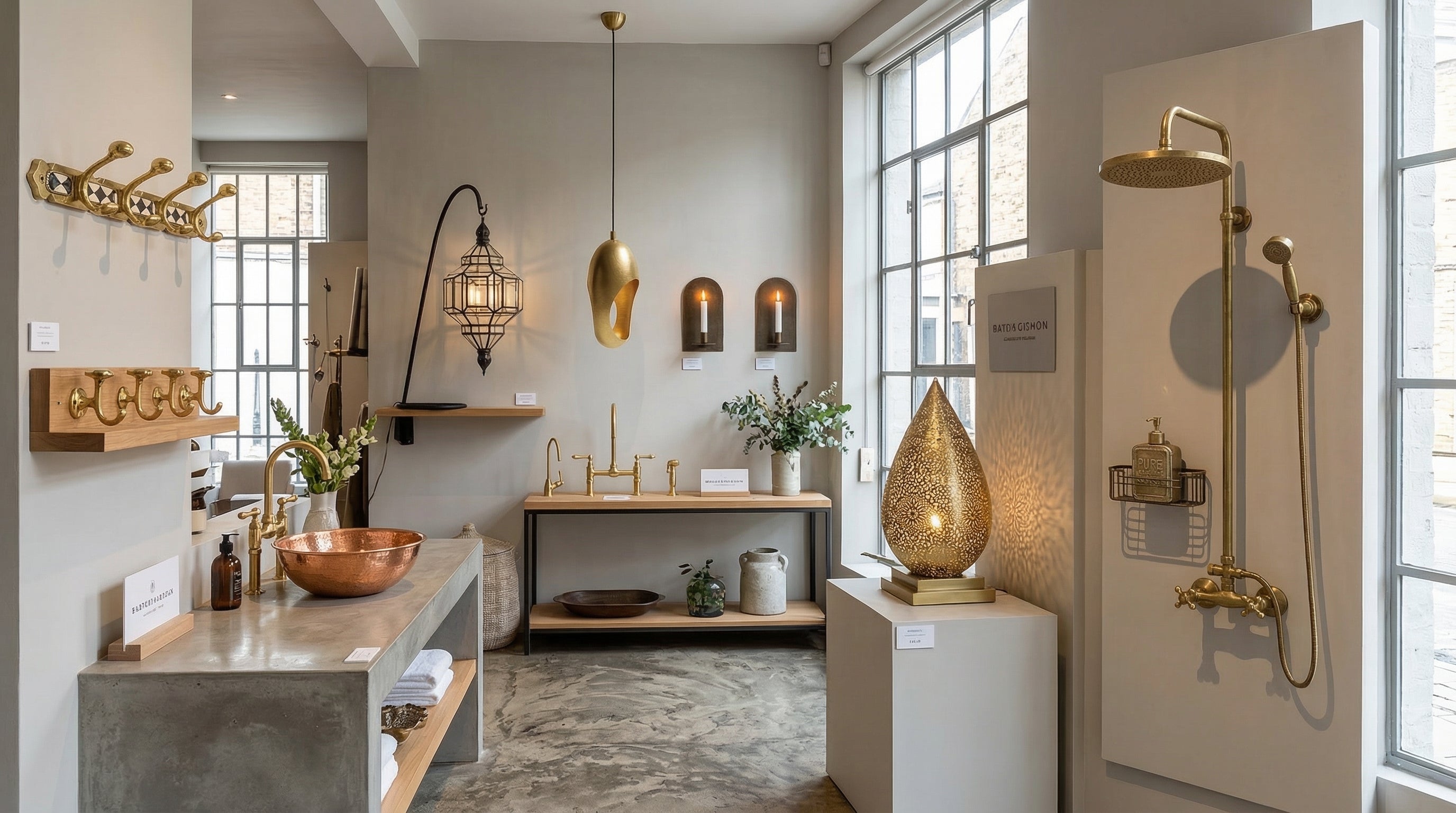
Moroccan brass lattice lighting casting patterned shadows in a Mediterranean living room