Cart
0
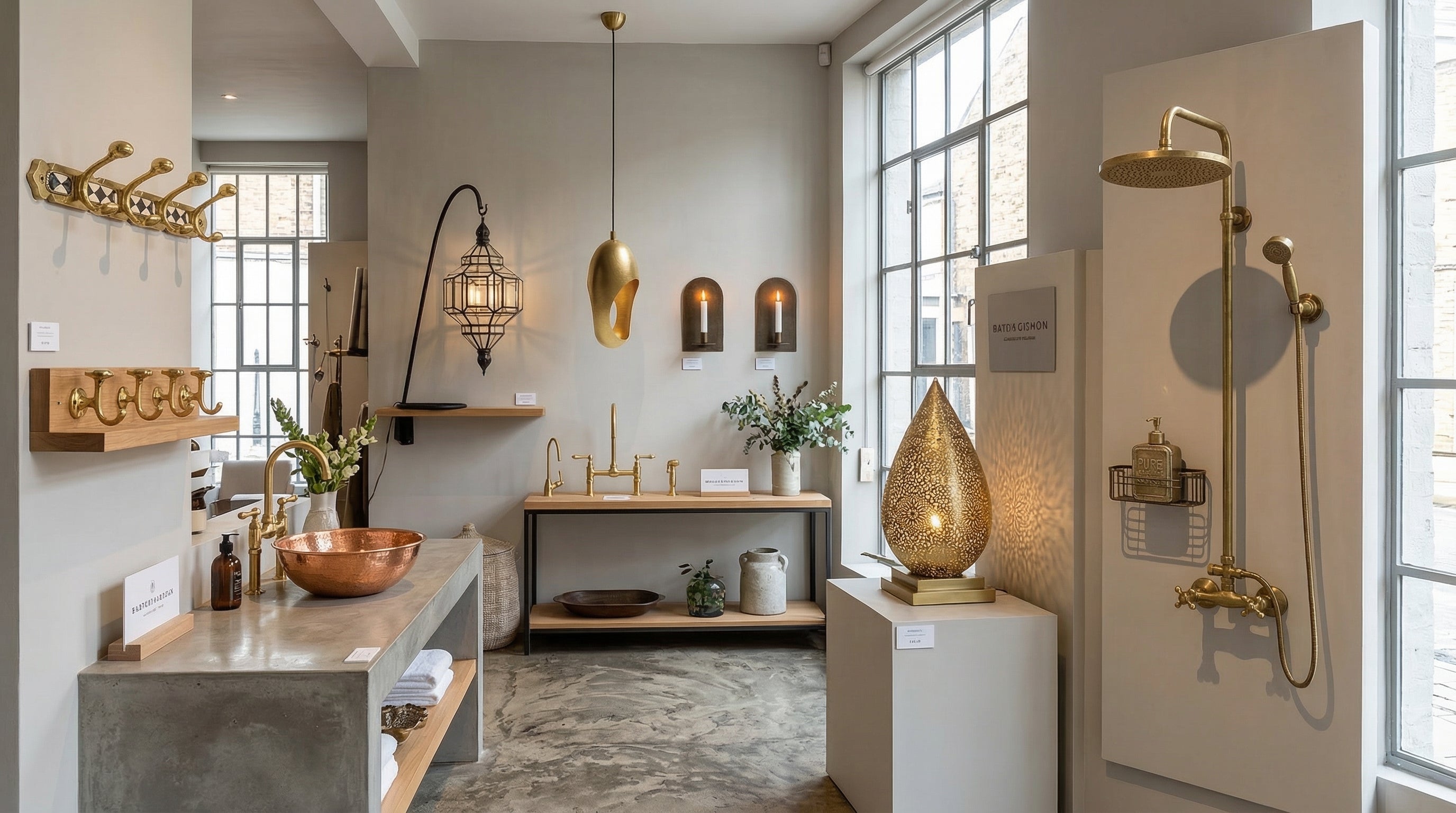
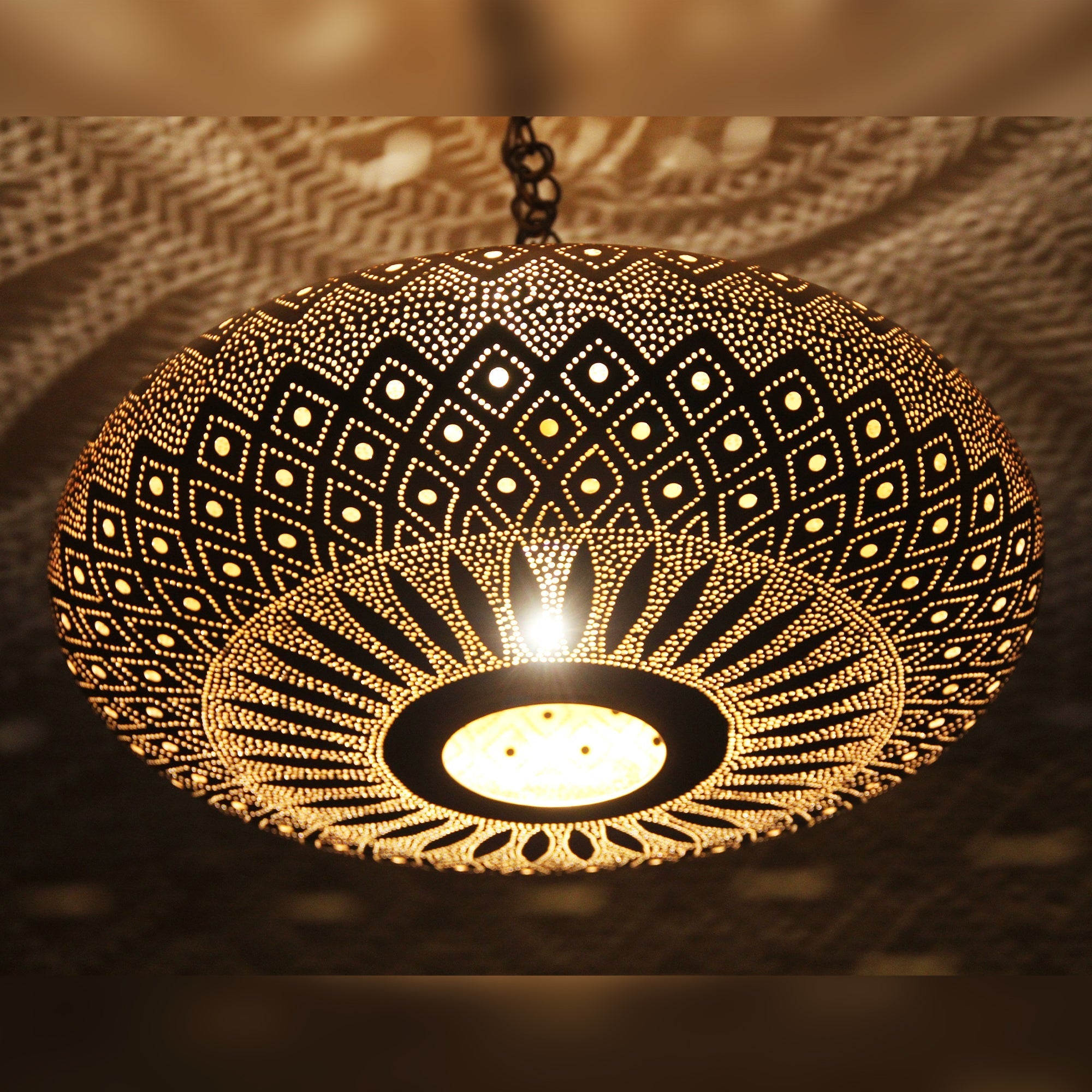
In homes that seek warmth, poetry, and permanence, hand-pierced brass lighting is more than illumination; it is architecture in light. Crafted in Moroccan ateliers where rhythm, patience, and precision guide every hammer strike, these luminaires cast lacework shadows that soften edges and bathe rooms in a honeyed glow. For Mediterranean interiors—those sun-bathed spaces of limewash walls, terracotta floors, and breezy archways—hand-pierced brass becomes the soulful accent that completes the scene.
Table of Contents
- The Soul of Moroccan Craft: From Sheet to Shimmer
- Hand-Pierced Brass Lighting as Architecture of Light
- Selecting the Right Fixture for Each Room
- Layering Glow: Pendants, Sconces, and Table Lamps
- Installation Secrets: Height, Bulbs, and Dimmers
- Living with Brass: Care, Patina, and Coastal Considerations
- Sustainable Luxury: Why Handmade Brass Endures
- Mediterranean Palettes, Textures, and Material Pairings
- Small-Space and Rental-Friendly Strategies
- FAQ
- Conclusion
The Soul of Moroccan Craft: From Sheet to Shimmer
The origin of a pierced brass lantern begins humbly—with a flat sheet of solid brass. Artisans scribe motifs by hand, often passed down through families: stars, palms, tessellations, and floral arabesques that echo courtyard tiles and carved cedar doors. Each perforation is opened with a fine awl and hammer, then widened or tapered to sculpt the passage of light. Unlike machine-punched metal, handmade piercing carries imperceptible irregularities that lend the glow its living quality: no two shadows fall exactly the same way.
After piercing, edges are filed smooth, seams are soldered, and the form is balanced so it hangs true. Surface finishes can range from high-polish to antiqued, brushed, or darkened patina. While a mirror finish bounces daylight and feels jewel-like, aged brass settles into a mellow, candlelit mood that complements plaster, limestone, and aged oak—the palette of the Mediterranean coast.
Every step is tactile and time-intensive. The result is not merely a lamp, but a crafted heirloom that invites you to slow down and savor dusk—the most generous hour for patterned light.
Hand-Pierced Brass Lighting as Architecture of Light
Think of brass lanterns and pendants not as fixtures, but as miniature architecture. Their geometry, scale, and pattern density shape space as surely as an arch or a column.
Light that Draws and Defines
Pierced motifs project filigree shadows across ceilings and walls, visually expanding surfaces and guiding movement. A pendant over an entry console says “arrive.” A lantern in a stairwell pulls you upward. In long rooms, a rhythm of fixtures choreographs the eye, clarifying zones without building walls.
Scale, Air, and Shadow
Larger fixtures cast larger, softer patterns, while smaller ones concentrate their lace on nearby surfaces. High ceilings can lavishly host bold lanterns that float like celestial orbs; lower ceilings benefit from compact, semi-flush forms that dress the plane above with delicate tessellations. Pattern density matters too: tight, intricate piercing creates a star-field; more open motifs lay bolder, graphic shadows.
Warmth as a Material
Brass is inherently warm. It refracts light into ambers and honeyed golds that flatter natural stone and whitewashed walls. Even unlit, brass reflects daytime radiance, turning a quiet corner into a gentle beacon.
Selecting the Right Fixture for Each Room
Choosing the right piece involves scale, purpose, and the dance between light and surface. Consider how the pattern will land and what you wish to celebrate—arching doorways, textured plaster, or a dining table’s grain.
Entryway and Hall
Your entrance sets the home’s first impression. A medium lantern welcomes with ceremony while preserving openness. For foyers and corridors, browse a selection of hand-pierced Moroccan ceiling lights to find silhouettes that suit your ceiling height and footprint. Pair with a console mirror so the perforated glow doubles itself at night.
Dining Room
The table is theater; the pendant is spotlight and set design in one. Choose a form slightly narrower than the table’s width to avoid glare, and hang it low enough to gather intimacy without obstructing sightlines. Intricate patterns create a celebratory canopy—perfect for long evenings.
Kitchen and Island
Kitchens benefit from purposeful yet atmospheric lighting. For counters and meal prep, install a linear trio or a bold pair of pendants above the island. Explore solid brass kitchen island pendants that balance task illumination with a soft Mediterranean glow. Opt for open-bottom designs for direct light onto work surfaces, but keep the side piercing to dress the room in warmth.
Living Room
Ambient layers are everything. Combine a central pendant with accent lights that wash bookshelves, art, and architectural niches. Use patterns to draw attention to a limewashed chimney breast or arched alcoves. Keep dimmers at the ready so daytime clarity shifts into evening softness.
Bedroom and Retreats
In restful spaces, avoid visual noise. Choose a pendant or flush mount with a quieter motif and plan gentle, asymmetrical layers—a reading lantern on one side of the bed, a table lamp on the other. Patterns should skim walls, not flood them, for a more serene effect.
Bath and Dressing Areas
Humid spaces love the warmth of brass. Select fixtures with sealed electrics and place pierced patterns where they won’t compete with grooming tasks. Complement your glow with fittings in the same finish—consider solid brass bathroom faucets that echo the pendant’s patina for a harmonious suite.
Layering Glow: Pendants, Sconces, and Table Lamps
The most enchanting Mediterranean rooms never rely on a single source of light. They weave a tapestry.
Pendant as Protagonist; Sconce as Chorus
Let your central pendant lead, then support it with wall lights that finish the story. Flank art, balance a mirror, or punctuate a hallway using artisan brass wall sconces. Their side-cast pattern accentuates texture—stucco, stone, and limewash come alive under the filigree.
Table Lamps for Intimate Corners
Even a small lamp can transform a room at dusk. Place one on a console, bedside table, or library shelf to deliver glow exactly where you linger. Explore handmade brass table lamps that throw soft halos across nearby surfaces without overwhelming the eye.
Candlelight for the Final Layer
Candles belong to the Mediterranean lexicon—slow, fragrant, and ceremonial. Tuck them into niches or along a dining table runner. Choose weighty, sculptural pieces from our selection of solid brass candle holders to echo your pierced patterns with a living flame.
Installation Secrets: Height, Bulbs, and Dimmers
Great fixtures become extraordinary when you refine the technicals.
Hanging Heights
- Over Dining Tables: 28–34 inches (71–86 cm) from tabletop to the bottom of the pendant, adjusting for ceiling height and fixture scale.
- Kitchen Islands: 30–36 inches (76–91 cm) from countertop, with two fixtures centered at thirds or a single statement piece centered across the length.
- Hallways and Entries: Leave at least 7 feet (213 cm) of clearance in walkways; in double-height foyers, aim for the pendant’s midpoint to align between floors.
- Bedside Pendants: Bottom of the shade 36–42 inches (91–107 cm) above the nightstand or aligned with eye level when seated.
Bulb Temperatures and Beam
Color temperature defines mood. For Mediterranean warmth, use 2200K–2700K bulbs; 3000K introduces a crisper note for kitchens. Frosted bulbs soften hotspots through pierced metal, while clear bulbs intensify sparkle. If your fixture accepts multiple bulbs, mix outputs (e.g., 40W equivalent for atmosphere, 60W equivalent for tasks) and manage through a dimmer.
Dimmers and Zones
Put every decorative brass fixture on a dimmer. Evening settings around 20–40% allow patterns to read as texture rather than hard contrast. Consider three lighting zones—ambient, task, and accent—on separate controls so you can sketch different moods with a fingertip.
Glare and Pattern Balance
To avoid glare, set the bulb slightly above eye level in dining and seating areas and favor opal lamps where the piercing is dense. For very intricate patterns, a warm, lower-lumen bulb produces a velvety cloak of shadow that feels luxurious rather than busy.
Living with Brass: Care, Patina, and Coastal Considerations
Brass is a living metal; it mellows with grace. Expect fingerprints to soften into a gentle sheen and edges to deepen where air flows most.
Everyday Care
- Dust gently with a soft microfiber cloth.
- For smudges, lightly dampen the cloth with warm water; dry immediately.
- Avoid harsh chemicals, ammonia, vinegar, or abrasive pads that can etch the metal.
About Patina
Unlacquered or lightly sealed brass develops a patina that collectors cherish. If you prefer a brighter finish, use a non-abrasive brass polish sparingly and test beneath the canopy first. Always remove bulbs and unplug or switch off power before cleaning.
Coastal and Bath Environments
- Humidity increases patina depth—embrace it for character or maintain more frequent, gentle polishing.
- Ensure bathroom fixtures are rated for damp or wet locations as appropriate.
- Promote airflow; after showers, run ventilation to minimize condensation on metal.
Sustainable Luxury: Why Handmade Brass Endures
True luxury is longevity. Solid brass can be repaired, refinished, and rewired over decades. Unlike disposable materials, it ages into itself, gathering a narrative instead of wear. Choosing hand-pierced pieces sustains skilled workshops, preserves cultural motifs, and reduces the churn of trend-driven replacements. Each purchase supports a continuum of knowledge—hands teaching hands—so the light we enjoy today can enchant the next generation.
Mediterranean Palettes, Textures, and Material Pairings
To let pierced light sing, give it surfaces that respond generously.
Color Families that Flatter Brass
- Chalky Whites and Bone: Limewash or clay paint offers tooth for shadows to grip.
- Sea Tones: Mineral greens, Adriatic blues, and faded indigo echo coastal horizons.
- Earth Hues: Terracotta, sand, and sunbaked umber ground brass in warmth.
- Noir Accents: A slate fireplace or iron console sharpens brass into a jewel note.
Texture as a Co-Author
- Plaster and Stucco: Softly undulating, they receive pattern like silk.
- Stone and Zellige: Faceted and reflective, they twinkle under perforated light.
- Textiles: Woven linens, Berber rugs, and nubby bouclé absorb glare and cozy the glow.
- Woods: Oiled oak and walnut warm brass, while painted cabinetry lets it pop.
Small-Space and Rental-Friendly Strategies
You don’t need grand rooms to enjoy grand atmosphere.
- Choose Semi-Flush Marvels: Compact, low-profile fixtures splash ceilings with filigree without lowering sightlines.
- Make Corners Count: A petite pendant over a reading chair becomes a nightly ritual.
- Portable Glow: If hardwiring isn’t an option, stage ambiance with brass table lamps and candlelight to mimic layered lighting schemes.
- Coordinate Metals: Echo your lighting with cabinet pulls, frames, and a restrained touch of brass in textiles or trims.
FAQ
Will hand-pierced brass lighting feel too ornate for a modern home?
Not when balanced. Clean-lined furniture and neutral walls let pierced patterns read as texture rather than ornament. Choose simpler silhouettes and brushed finishes for a quietly luxurious result.
How bright should my pierced pendant be over a dining table?
Aim for gentle intimacy rather than task brightness: roughly 200–400 total lumens for small tables, 400–800 lumens for larger ones, with a dimmer to fine-tune during meals.
Can I use these fixtures in a bathroom?
Yes—select damp-rated fixtures and avoid direct water spray. Pair with coordinated metals like brass bathroom faucets to create a cohesive suite.
What bulb color temperature works best?
Stay warm. 2200K–2700K accentuates the amber glow of brass and flatters skin tones, textiles, and natural materials common in Mediterranean spaces.
How do I size pendants for a kitchen island?
For two pendants, each should be about one-third the island’s length, with spacing equal to one pendant’s width. Browse proportionate options within our brass kitchen island lighting selection.
Will brass tarnish near the coast?
Brass naturally patinas faster in salty air. Many love the depth it brings; if you prefer a brighter surface, wipe gently and polish occasionally with a non-abrasive brass cleaner.
Are wall sconces helpful in narrow hallways?
Absolutely. Slim-profile brass wall sconces add patterned interest without crowding. Install at 60–66 inches (152–168 cm) from the floor for comfortable sightlines.
How can I reduce glare with pierced shades?
Use frosted bulbs, dimmers, and slightly lower lumen outputs. Position pendants so the bulb sits just above seated eye level in living and dining zones.
Conclusion
When daylight fades along the coast and windows mirror the night, hand-pierced brass lighting invites a different kind of sun indoors—one patterned by heritage and warmed by human touch. Whether you greet guests beneath a lacy ceiling, cook by the glow of island pendants, or retreat to a bedroom haloed in gentle filigree, these Moroccan pieces stitch atmosphere into every corner. Begin with a statement pendant from our curated ceiling lights, layer in the perfect companions—sconces, lamps, and candlelight—and let your rooms exhale into evening with quiet splendor.