Cart
0
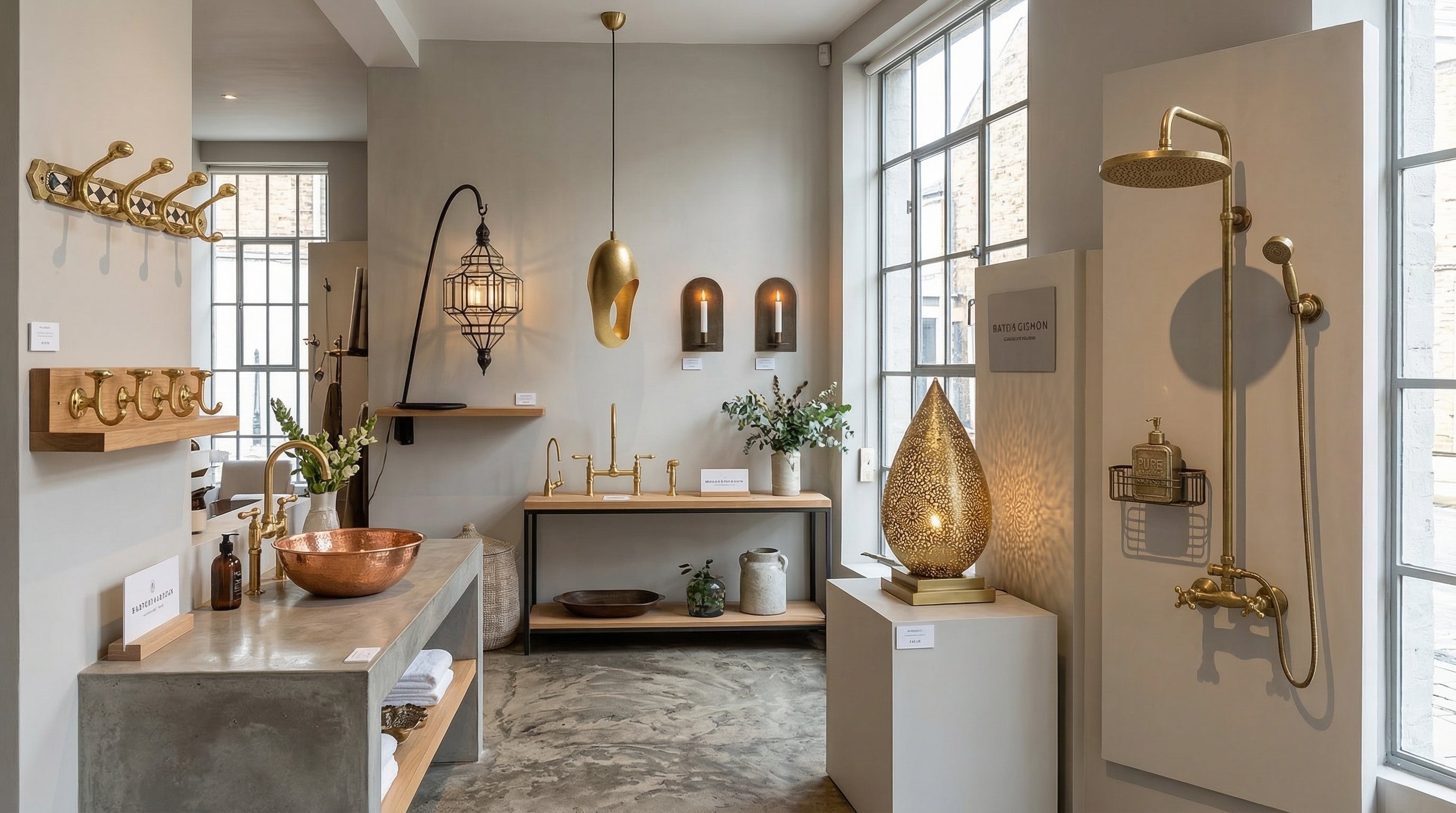
A Mediterranean kitchen is first felt, then seen. The glow that gathers beneath hand-worked metal, the shimmer of warm patina at dusk, the lively play of light on limestone and timber—this is the quiet magic of brass kitchen island lighting. When crafted by Moroccan artisans and placed with intention, it becomes the soulful heart of everyday meals and celebratory feasts alike.
Table of Contents
- Why Brass Belongs in a Mediterranean Kitchen
- Design Principles for Brass Kitchen Island Lighting
- Layering Light Around the Island
- Moroccan Craftsmanship: Details That Matter
- Styling the Island and Adjacent Zones
- Specification Checklist
- Care and Patina
- Common Mistakes to Avoid
- FAQ
- Conclusion
Why Brass Belongs in a Mediterranean Kitchen
Across the Mediterranean, kitchens are rooms of generosity—sunlit by day, candle-soft by night. Brass, with its natural warmth and mutable patina, complements the clay, stone, lime plaster, and timber that define the region’s calm yet characterful palette. It elevates function to ritual, transforming preparation into pleasure and meals into luminous gatherings.
Material Warmth and Living Patina
Unlike finishes that remain static, unlacquered brass responds to life. A hand-polished globe above your island deepens in tone, echoing the touch of cooks, steam from simmering pots, and years of shared suppers. This living surface reads as authentic, never contrived—a hallmark of Mediterranean interiors.
Color Story: Sun, Stone, and Sea
Brass balances terracotta, travertine, creamy plaster, olive wood, and the deep blues found in zellige tile and textiles. Its warm undertone anchors cool blues and greens, preventing the kitchen from feeling flat or austere. At night, brass reflects amber light, bathing stone and limewash in flattering tones.
Shadow as Ornament
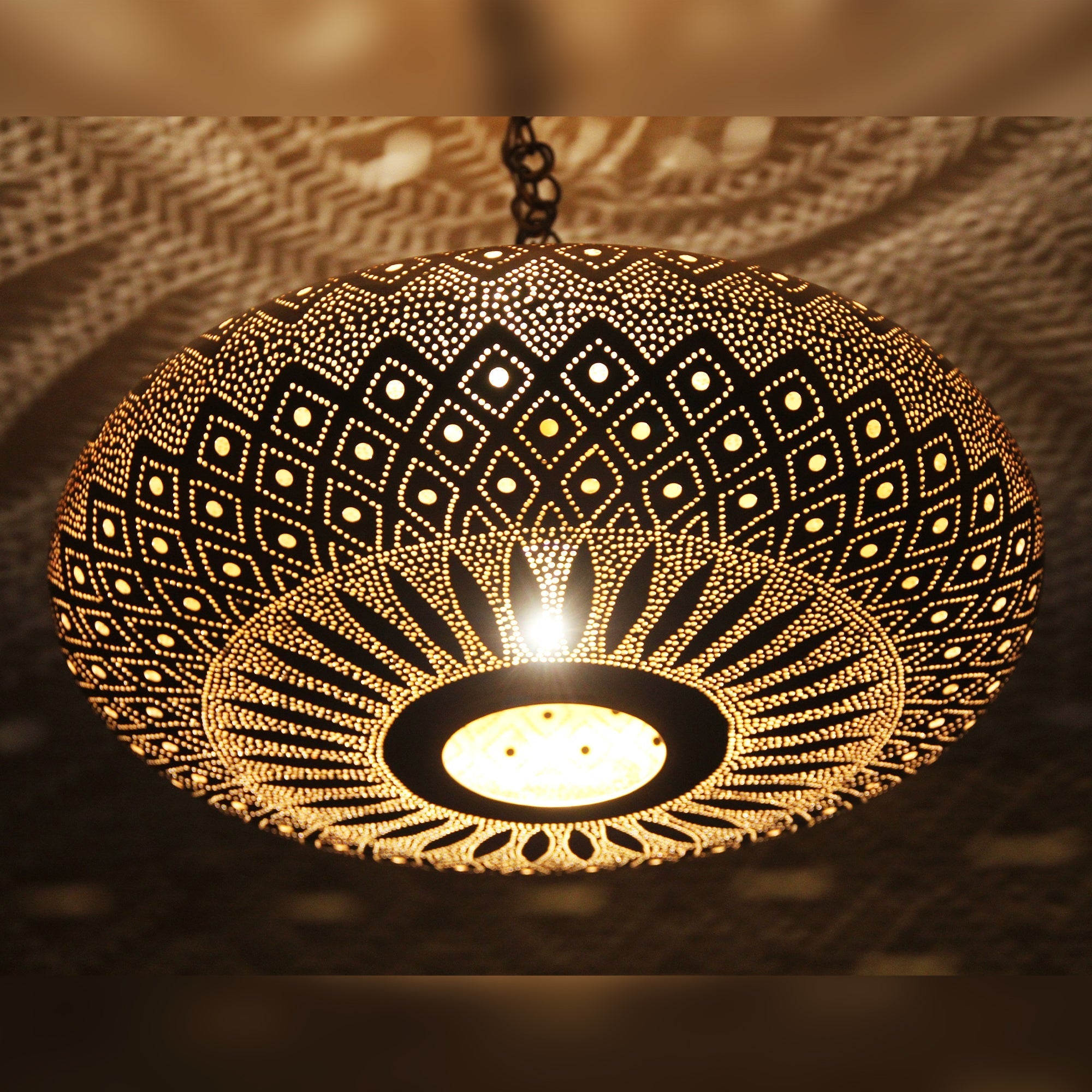
Moroccan pierced metalwork casts lacy shadows that function as ambient ornament. Over an island, this effect is enchanting—soft patterns slipping across linen runners and carved timber. The result is not theatrical; it is intimate, like candlelight with memory.
Design Principles for Brass Kitchen Island Lighting
Start with purpose: the island is for chopping and rolling, serving and sipping, gathering and lingering. The right brass kitchen island lighting must honor every mode—task clarity, convivial glow, sculptural presence.
Choose a Silhouette With Presence
- Domes and bells: Generous, soft-edged forms that pool light beautifully onto prep surfaces.
- Lanterns: Vertical punctuation that suits higher ceilings and open rafters.
- Globes and teardrops: Balanced and timeless, ideal for mixed-material kitchens.
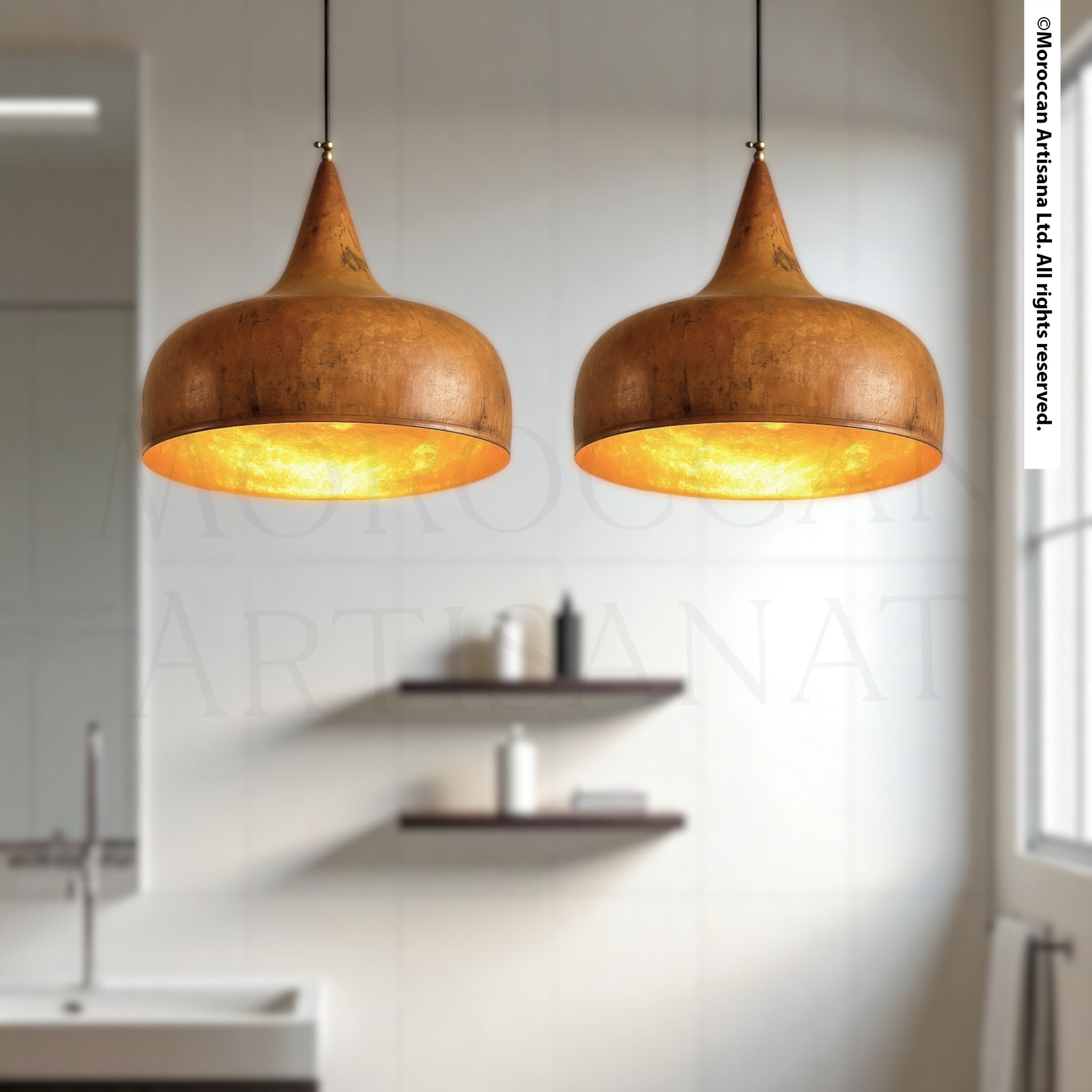
For authentically crafted options, explore our hand-pierced brass kitchen island pendants that marry function and art.
Scale: The Rule of Thirds (and a Reality Check)
- Fixture diameter: Aim for 30–40% of island depth for each pendant. For a 36-inch-deep island, a 12–14-inch pendant reads balanced.
- Length of island: Two pendants suffice for 5–6 feet; three work for 7–9 feet; overscale pairs can anchor 9 feet and beyond.
- Negative space: Allow a visual “breath” between pendants equal to 1–1.5 times the pendant diameter.
Hanging Height: Comfort for Eyes and Conversation
- Countertops at 36 inches: Hang the pendant’s bottom rim 30–34 inches above the counter (66–70 inches from the floor).
- Ceilings over 9 feet: Increase stem or chain length; keep the same bottom-rim height to preserve intimacy.
- Sloped ceilings: Choose fixtures with pivoting canopies or chain suspension for a true vertical drop.
Light Quality: Color, Brightness, and Control
- Color temperature: 2200K–2700K feels candle-warm without distorting food color.
- CRI: 90+ preserves the nuance of olive greens, ripe tomatoes, and burnished wood.
- Lumens: Target 35–50 lumens per square foot over the island; supplement with ambient layers (see below).
- Dimming: Smooth, flicker-free dimming shifts the room from task to tasting to late-night tea.
Layering Light Around the Island
One statement pendant does not make a lighting plan. Mediterranean kitchens thrive on layers that shift across the day—bright mornings, soft afternoons, glowing evenings. Build a scheme with ambient, task, and accent components.
Ambient: The Comfortable Glow
Introduce a general wash from above to relieve the pendants of doing all the work. Subtly scaled flush or semi-flush fixtures maintain headroom while harmonizing metal tones. Consider coordinating ceiling lights in brass to tie the composition together and ensure the whole kitchen feels even and gracious.
Task: Cross-Light the Counters
To eliminate shadows where knives meet the board, direct light laterally. Mount solid brass wall lights near surrounding prep zones or an adjacent pantry pass-through. Cross-lighting flatters faces, brightens backsplashes, and creates a welcoming stage for hospitality.
Accent: Spark and Shadow
Accent light is the jewelry: a narrow-beam spotlight on a bowl of citrus, a small under-shelf glow on earthenware, or a lantern in the breakfast nook. This is where pierced Moroccan shades cast delicate motifs that make the room unmistakably yours.
Moroccan Craftsmanship: Details That Matter
What sets artisan brass apart is the deliberate hand. Hammer marks, pierced motifs, and the weight of solid metal tell a story of skill and time—qualities that elevate daily rituals without shouting.
Hand-Pierced Filigree
Each perforation is individually cut, shaping lace-like geometries inspired by Andalusi gardens and desert constellations. By night, these micro-windows scatter subtle patterns; by day, they reveal the quiet depth of the brass surface itself.
Hammered Texture
Hammered brass diffuses glare, softening reflections like a tamed sunbeam. This texture also disguises the small scuffs of real life, creating a finish that ages handsomely.
Unlacquered, Solid, and Serviceable
Unlacquered solid brass—rather than thinly plated metals—develops a dignified patina and can be refinished as needed. Screws, stems, and canopies in matching brass ensure the whole fixture feels of a piece, not pieced together.
Styling the Island and Adjacent Zones
Light guides the eye; styling completes the scene. Treat the island like a long dining table—balanced, but never cluttered.
Hardware Harmony and the Working Sink
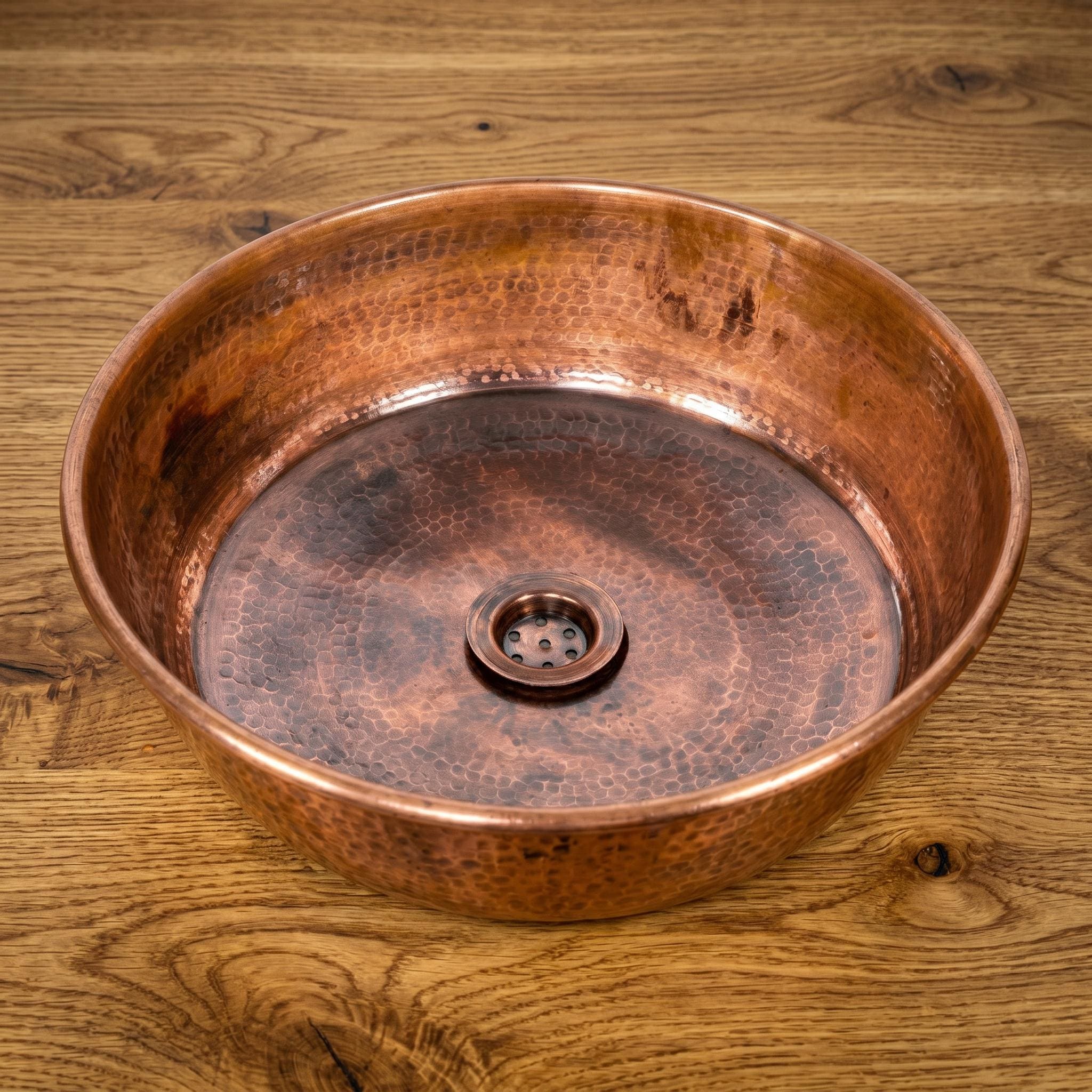
Echo the tone of your pendants with a tactile sink and hardware. A deep, hand-formed basin in warm metal brings poetry to rinsing herbs and washing fruit. Explore hammered brass sinks for a prep station that align with the patina and texture of your island lighting.
Order, Beautifully Kept
Even the most glamorous kitchen must be ready to work. Discreet storage reduces visual noise and honors the tranquility of Mediterranean design. Install slim brass wall hooks for aprons or hand towels near the island’s end panel—useful, elegant, and instantly place-making.
The Nook Next Door
If your island opens to a breakfast or coffee nook, let the glow continue. A small lantern or sconce on a plastered wall extends the narrative from prep to pause, from the work of cooking to the pleasure of lingering.
Specification Checklist
Before ordering, assemble the essentials. A clear brief shortens lead times and ensures a perfect fit on installation day.
- Ceiling height and condition: standard, tall, or sloped; note beams and joists.
- Island dimensions: length, width, and overhangs; include seating zones.
- Electrical plan: junction box locations, dimmer type (ELV, TRIAC), and separate circuits for layers.
- Pendant quantity and size: confirm diameter, height, and canopy size; verify chain or stem length.
- Lamp type: integrated LED vs. replaceable bulbs; lumen output, CCT (2200K–2700K), and CRI 90+.
- Finish: unlacquered brass, brushed, antiqued; specify consistency across canopies and hardware.
- Environment: dry or damp-adjacent (open windows, coastal humidity); consider sealed shades where needed.
- Maintenance plan: microfiber cloths, gentle soap, and wax schedule for unlacquered brass.
Care and Patina
Brass is a living finish—its allure grows with gentle care. Dust regularly with a soft, dry cloth. When deeper cleaning is necessary, use mild soap and warm water, then dry thoroughly. Avoid ammonia, bleach, or abrasive pads that strip character. A light microcrystalline wax preserves a soft sheen while allowing the patina to evolve gracefully.
Common Mistakes to Avoid
- Underscaled fixtures: Small pendants vanish in open kitchens; size up for presence and proportion.
- Harsh color temperature: Cool LEDs flatten food and faces; stay warm at 2200K–2700K.
- Overlighting: Brightness without dimming sacrifices evening ambiance; specify quality dimmers.
- Too-high mounting: Floating pendants disconnect conversation; keep the bottom rim near 30–34 inches above the counter.
- Single-source glare: Layer with ambient brass ceiling fixtures and cross-lighting wall lights to soften contrast.
- Finish mismatch: Pair your pendants with complementary metal tones; exact matches are not required, but the warmth should harmonize.
FAQ
How many pendants should hang over my island?
For a 5–6 foot island, two pendants feel balanced. For 7–9 feet, use three or consider two overscale domes. Keep visual breathing room between shades—about one to one-and-a-half times each pendant’s diameter.
How high should I hang my brass kitchen island lighting?
Measure from the countertop: 30–34 inches to the bottom rim suits most kitchens and conversation sightlines. Maintain this height even in tall rooms; increase the chain or stem length instead.
What color temperature is best for a Mediterranean look?
Warm light is essential. Choose 2200K–2700K with a CRI of 90+ to flatter food, wood, and plaster, and to echo the region’s gentle evening glow.
Do brass pendants work with stainless appliances?
Yes. Warm brass counterbalances cool stainless, preventing a clinical feel. Repeat brass in hardware or a coordinating brass sink to make the pairing intentional.
Will unlacquered brass stain easily?
Unlacquered brass will develop marks that mellow into a cohesive patina. Wipe spills promptly, clean with mild soap when needed, and consider a light protective wax for high-touch areas.
Can I dim all layers together?
Ideally, place pendants, ambient ceiling fixtures, and wall lights on separate dimmers. This allows precise tuning for prep, serving, and after-dinner quiet.
What if my ceiling is sloped?
Opt for chain-hung pendants or stems with pivoting canopies. Confirm canopy diameter and slope compatibility during specification to ensure a true vertical drop.
Is artisan brass suitable for coastal environments?
Yes, with care. Expect faster patina development in salty air. Rinse with fresh water occasionally, dry thoroughly, and wax lightly to slow oxidation while preserving character.
Conclusion
Brass kitchen island lighting is more than illumination; it is atmosphere made visible. In a Mediterranean kitchen, hand-worked Moroccan brass invites warmth, gathers conversation, and dignifies the everyday. Choose generous silhouettes, hang them where eyes meet and voices carry, and weave a layered plan that moves gracefully from daylight preparation to candlelit calm.
Begin with the heart of the room—select from our artisan brass kitchen island lighting. Complement the glow with coordinating ceiling lights and brass wall lights, then finish the composition with tactile essentials like hammered brass sinks and understated brass wall hooks. The result is a kitchen that welcomes, nourishes, and glows—day after day, year after year.