Cart
0
Moroccan Brass Craftsmanship: From Fez to Your Faucet
Fez holds one of the oldest living medinas in the world, a maze of narrow streets where metalworkers have hammered brass and copper for centuries. Walk through the Seffarine Square today and the same rhythmic clanging that filled the air generations ago still echoes off the walls. That history sits behind every faucet, sink, and lamp carrying the Moroccan Artisanat name.
This story traces the path from Fez's ancient craft tradition to the finished brass pieces landing in kitchens and bathrooms today, and explains why that heritage still shapes quality decades later.
Fez: A City Built Around Metalwork
Fez grew into a trading and craft hub centuries before modern manufacturing existed anywhere. Seffarine Square, tucked inside the old medina, earned its name directly from coppersmiths, "seffar" translates loosely to metal worker, and the square still functions as a working metal district rather than a museum piece.
Generations of families settled into this trade, passing tools, techniques, and workshop space from one relative to the next. Formal apprenticeships rarely existed on paper; young craftsmen simply grew up watching, then helping, then eventually shaping metal themselves under a father's or uncle's supervision.
Marrakesh Joins the Tradition
Marrakesh developed its own strong metalworking identity alongside Fez, particularly in brass and copper lighting. Both cities share overlapping techniques, hammering, engraving, soldering, yet each developed slightly different stylistic signatures over time based on regional taste and available materials.
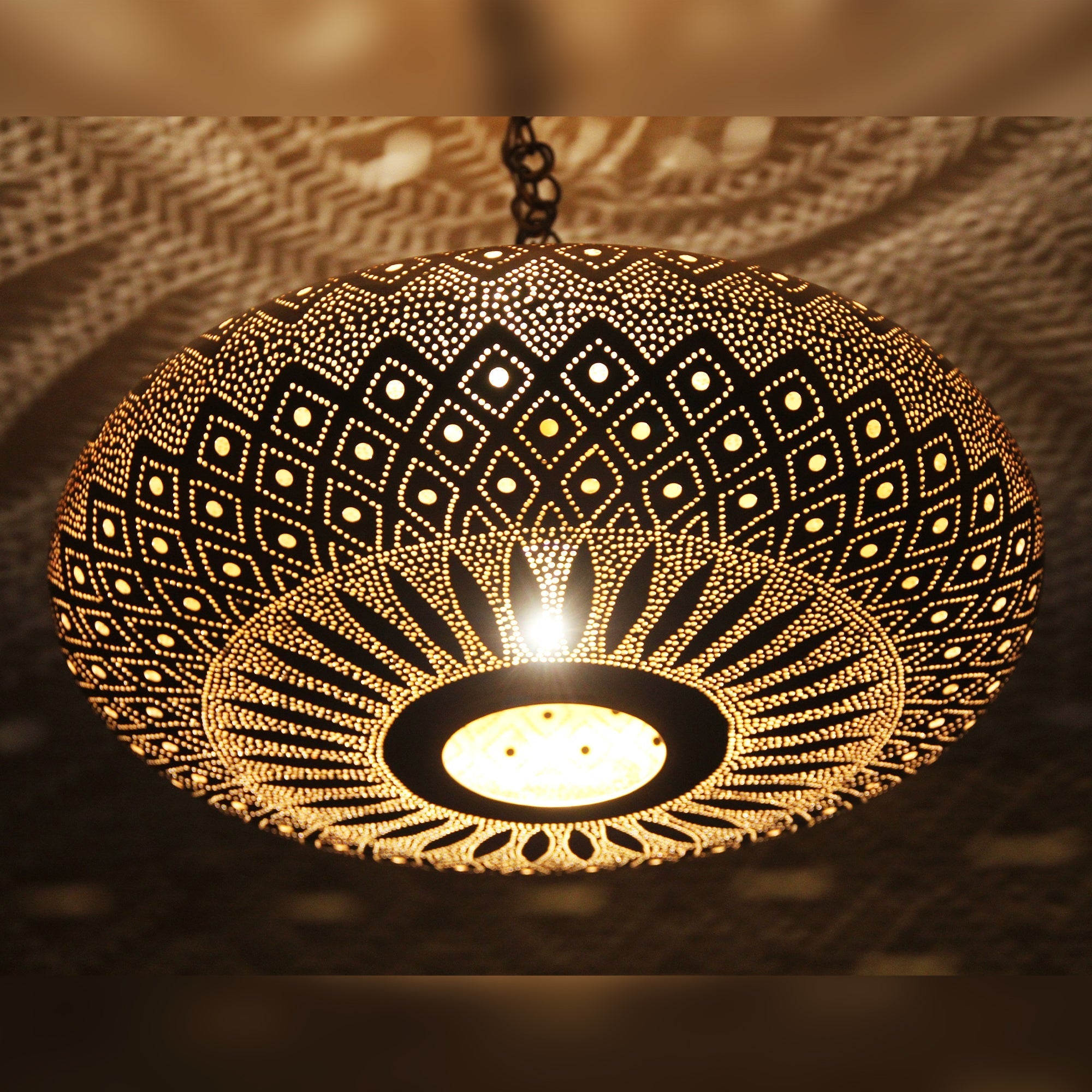
Artisans supplying Moroccan Artisanat's lighting collection trained within this broader network, drawing on techniques rooted in both cities rather than a single isolated workshop tradition. That cross-pollination shows up in the range of styles available today, from ornate engraved patterns to cleaner, more minimal hammered surfaces.
Guild Culture and Skill Transfer
Craft guilds once regulated who could call themselves a master metalworker across Moroccan cities. Skill got tested constantly through actual work rather than formal examination, a system that rewarded consistency and punished shortcuts immediately since customers could see and feel quality differences right away.
That structure faded formally over the past century, yet its influence persists informally. Workshop leads today still expect apprentices to spend years on basic tasks, polishing, filing, simple soldering, before touching more complex shaping work. Reputation still travels by word of mouth within these tight-knit artisan communities, much as it always has.
Tools and Techniques That Survived Modernization
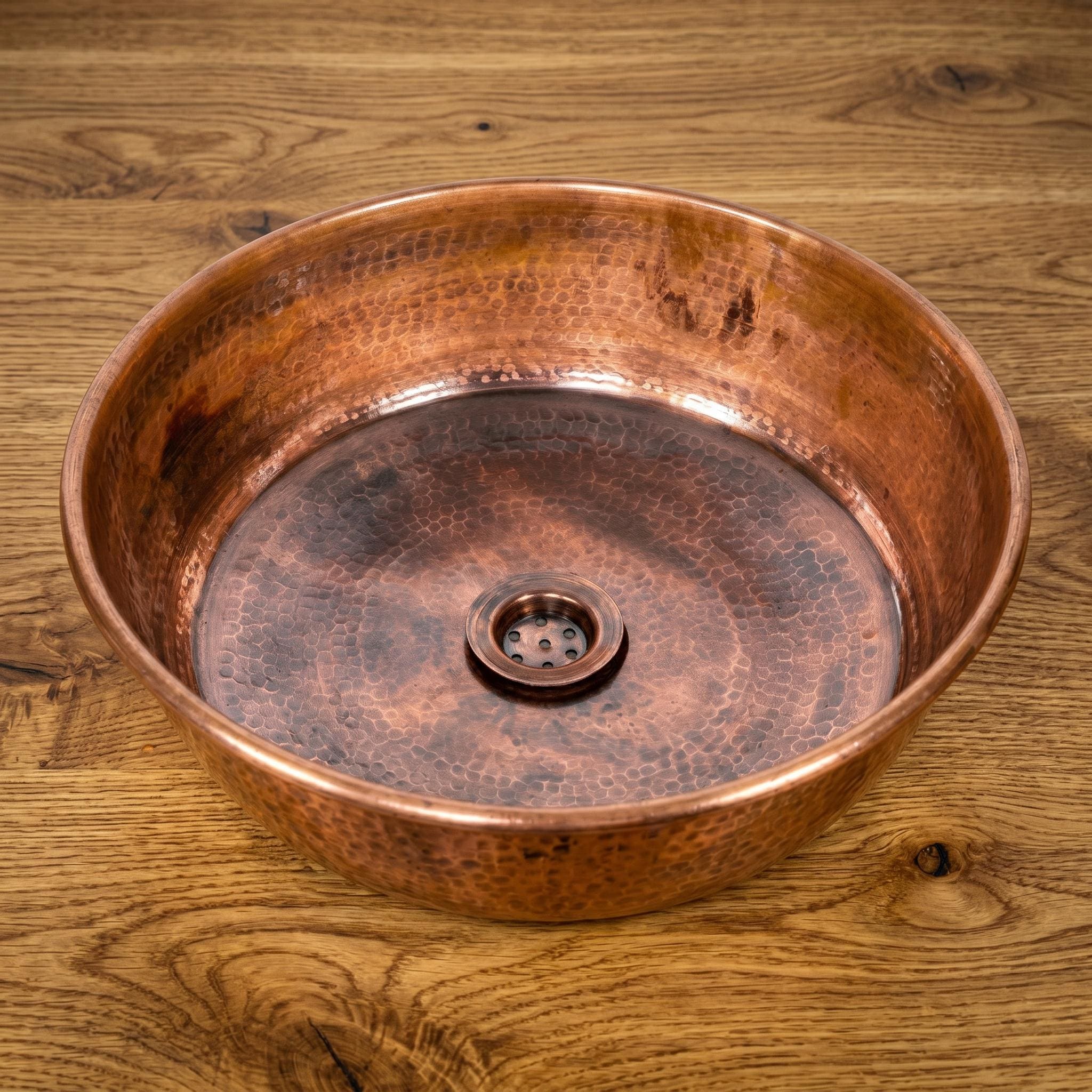
Electric tools entered Moroccan workshops decades ago, yet the core shaping process stayed stubbornly manual. Hammers, anvils, and hand files still do the heavy lifting on any hand-hammered piece since machines flatten the subtle texture variation that gives handmade brass its character.
Soldering, engraving, and polishing remain hand-driven crafts too. A handcrafted brass wall sconce passes through several sets of trained hands before reaching completion, each artisan responsible for one stage of a process that resists full automation even with modern equipment available.
From Souk Stall to Global Shipment
Traditional metalwork once stayed largely local, sold directly from souk stalls to nearby households and travelers passing through. Global demand for handmade Moroccan brass shifted that model considerably over recent decades, connecting workshops directly to buyers well beyond Morocco's borders.
That shift changed distribution, not craftsmanship. Pieces still get shaped by hand using the same core techniques passed through generations; only the destination changed, moving from a nearby home to kitchens and bathrooms across dozens of countries.
Why Heritage Still Matters for Modern Buyers
Buyers choosing handmade brass today invest in more than a functional fixture. Every hammer mark, slight asymmetry, and engraved detail carries the fingerprint of an artisan trained within a centuries-old craft lineage rather than a factory production line.
Supporting that tradition keeps skilled work economically viable for artisan families who might otherwise see these techniques fade as younger generations pursue different careers. A purchase becomes a small but real contribution toward preserving craft knowledge that took centuries to develop.
Exploring Moroccan Artisanat's story firsthand shows exactly how that heritage connects to the pieces available today, workshop origins, material choices, and the artisans behind each design.
Frequently Asked Questions
Is Fez still an active center for brass craftsmanship today? Yes, Seffarine Square and surrounding workshops remain active, with artisans still hand-hammering and engraving brass and copper using traditional methods daily.
What makes Moroccan brass different from mass-produced alternatives? Hand-shaping techniques passed through generations produce texture, weight, and subtle asymmetry that machine stamping can't replicate, along with generally thicker, more durable metal.
Do artisans still learn through family apprenticeships rather than formal schools? Largely yes, though some formal training programs exist now too. Family-based apprenticeship, learning directly from a relative or established craftsman, remains the more common path.
How long does it typically take to become a skilled brass artisan? Most craftsmen spend several years on foundational tasks before independently handling complex shaping and finishing work, a timeline that reflects the trade's traditional apprenticeship structure.