Cart
0
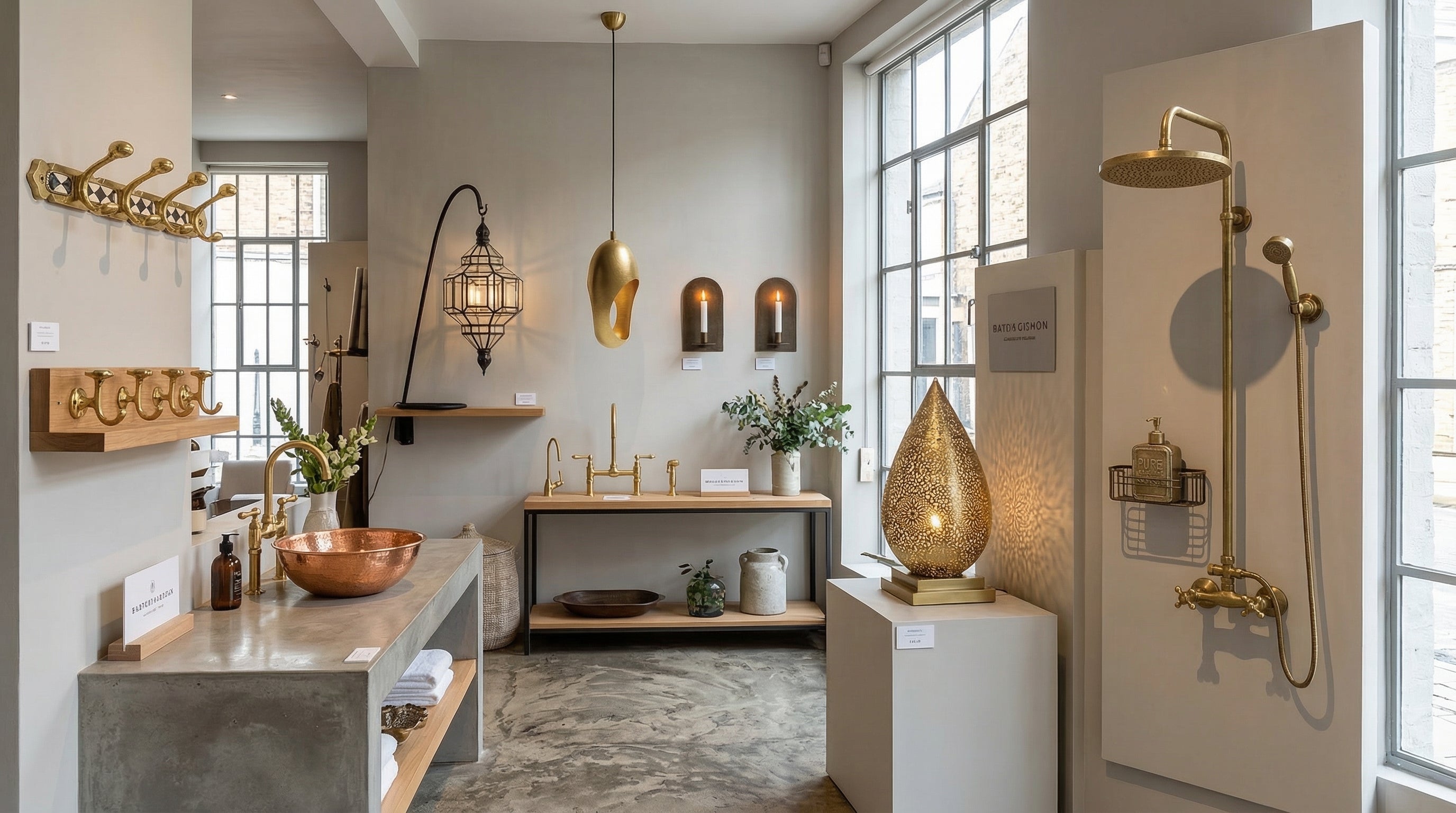
Moroccan brass lighting and fixtures have long stood as a bridge between timeless craft and contemporary luxury. When a skilled artisan heats brass, their hammering and patination reveal centuries of technique that translate into spaces that feel both sunlit and intimate. In Mediterranean interiors, brass acts as a warm conductor, guiding the eye through architecture and textiles with a glow that is unmistakably Moroccan yet universally welcoming. This article journeys through the language of brass—from ceiling luminaires that crown a room to bathroom fixtures that invite daily rituals—showing how each piece carries a story, a texture, and a sense of place that is uniquely artisan-made.
Alt text for feature image: Moroccan brass lighting and fixtures in a sunwashed Mediterranean interior, exuding warm, luxury tones. Alt text: Moroccan brass lighting and fixtures in a Mediterranean interior.
Table of Contents:
- 1) The craft behind Moroccan brass: material, motifs, and mastery
- 2) Brass lighting as architectural poetry: ceiling, wall, and table luminaires
- 3) Brass in the bathroom: faucets, sinks, and shower accents
- 4) Styling with texture, color, and natural materials
- 5) Care, patina, and longevity of brass in vibrant homes
- 6) Sourcing and linking to collections for a cohesive look
- 7) FAQs about Moroccan brass in Mediterranean interiors
In the spirit of Moroccan craftsmanship, brass is not merely a finish—it is a storytelling medium. The artisan’s touch, the thickness of the metal, and the patina that develops with time all contribute to a nuanced character that mass-produced pieces cannot replicate. When you select Moroccan brass lighting and fixtures, you invite a cultural dialogue between the hands that forged the piece and the living spaces that welcome it daily. This conversation is especially resonant in Mediterranean interiors, where sunlit courtyards, whitewashed walls, and vibrant ceramics create a stage for brass to gleam with depth and warmth.
To explore pieces that embody this philosophy, consider how brass lighting can harmonize with your room’s architecture and your personal sense of luxury. The following sections explore practical decisions, care routines, and styling ideas that help you curate a space where Moroccan brass feels both authentic and relevant to contemporary living.
Table of Contents
- The craft behind Moroccan brass: material, motifs, and mastery
- Brass lighting as architectural poetry: ceiling, wall, and table luminaires
- Brass in the bathroom: faucets, sinks, and shower accents
- Styling with texture, color, and natural materials
- Care, patina, and longevity of brass in vibrant homes
- Sourcing and linking to collections for a cohesive look
- FAQs about Moroccan brass in Mediterranean interiors
Moroccan Craftsmanship: material, motifs, and mastery
The beauty of Moroccan brass begins with the alloy itself—an unforgivingly calm gold-toned metal that accepts soft patina and bears fingerprints of the smith’s hammer. Artisans in traditional workshops shape brass by hand, sometimes adding copper-rich hints for a warmer hue that deepens with age. The motifs carved into these pieces—interlaced geometric patterns, scrolling arabesques, and stylized flora—are not merely decorative; they are a vocabulary of cultural memory that narrates journeys across markets, mosques, and courtyard spaces.
When you invest in Moroccan brass lighting and fixtures, you’re commissioning more than illumination or hardware. You’re embracing a living tradition that has traveled through caravans, coastal winds, and sunlit souks. The resulting pieces carry a tactile richness: the slight variation in a curve, the rhythm of a hammered texture, the soft gleam that only a hand-finished surface can achieve. For Mediterranean interiors, this texture is especially potent because it complements the stone and plaster walls that define the region’s aesthetic, while giving rooms a luminous warmth that is at once exotic and familiar.
To feel the full spectrum of this craft, consider how brass objects can be grouped for a curated gallery effect. A cluster of brass wall lights beside a doorway, a single statement brass table lamp, and a row of ceiling lights above a dining table create layers of light that reveal the artisan’s signature patina. These episodes of illumination, when assembled thoughtfully, read as a story rather than a collection.
Brass lighting as architectural poetry: ceiling, wall, and table luminaires
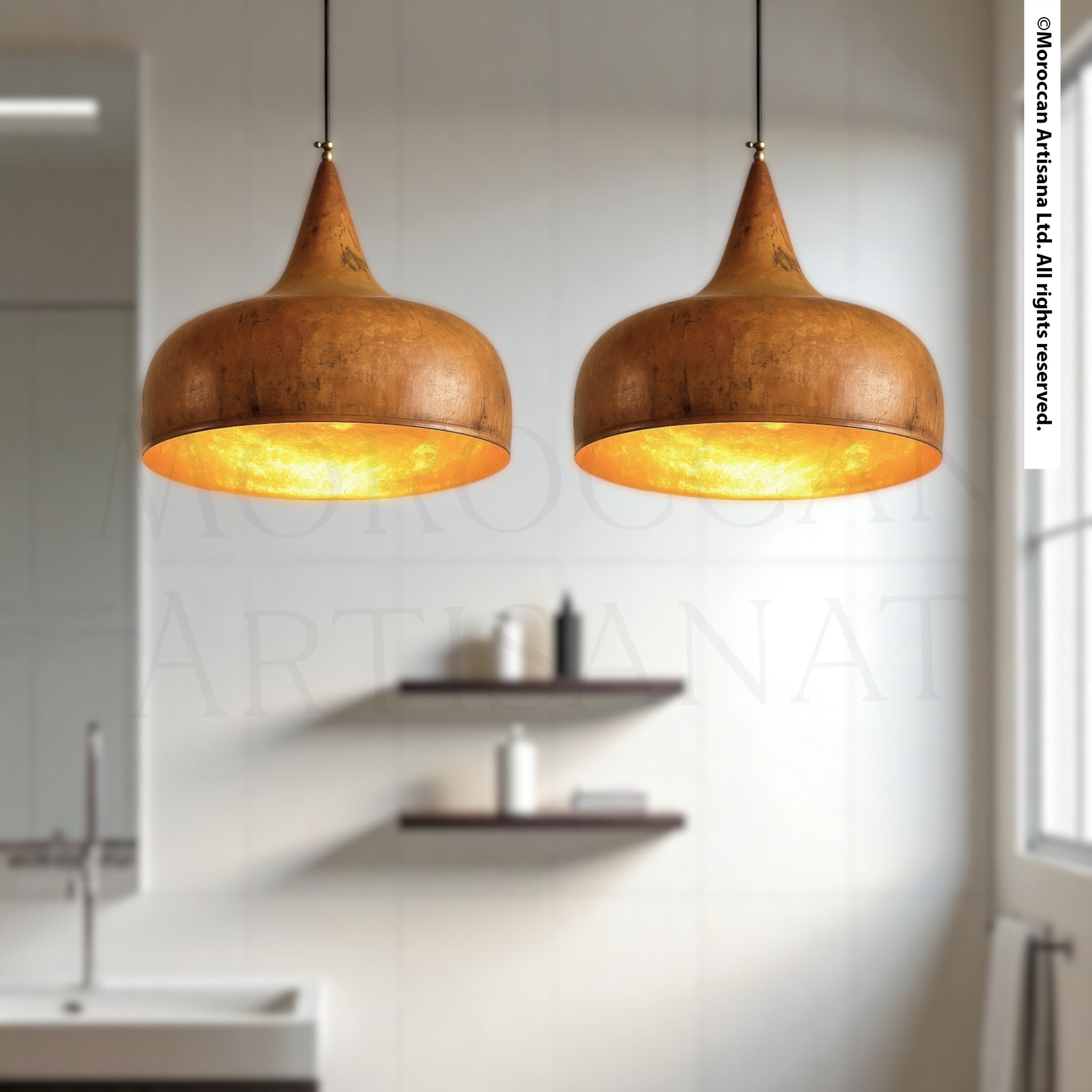
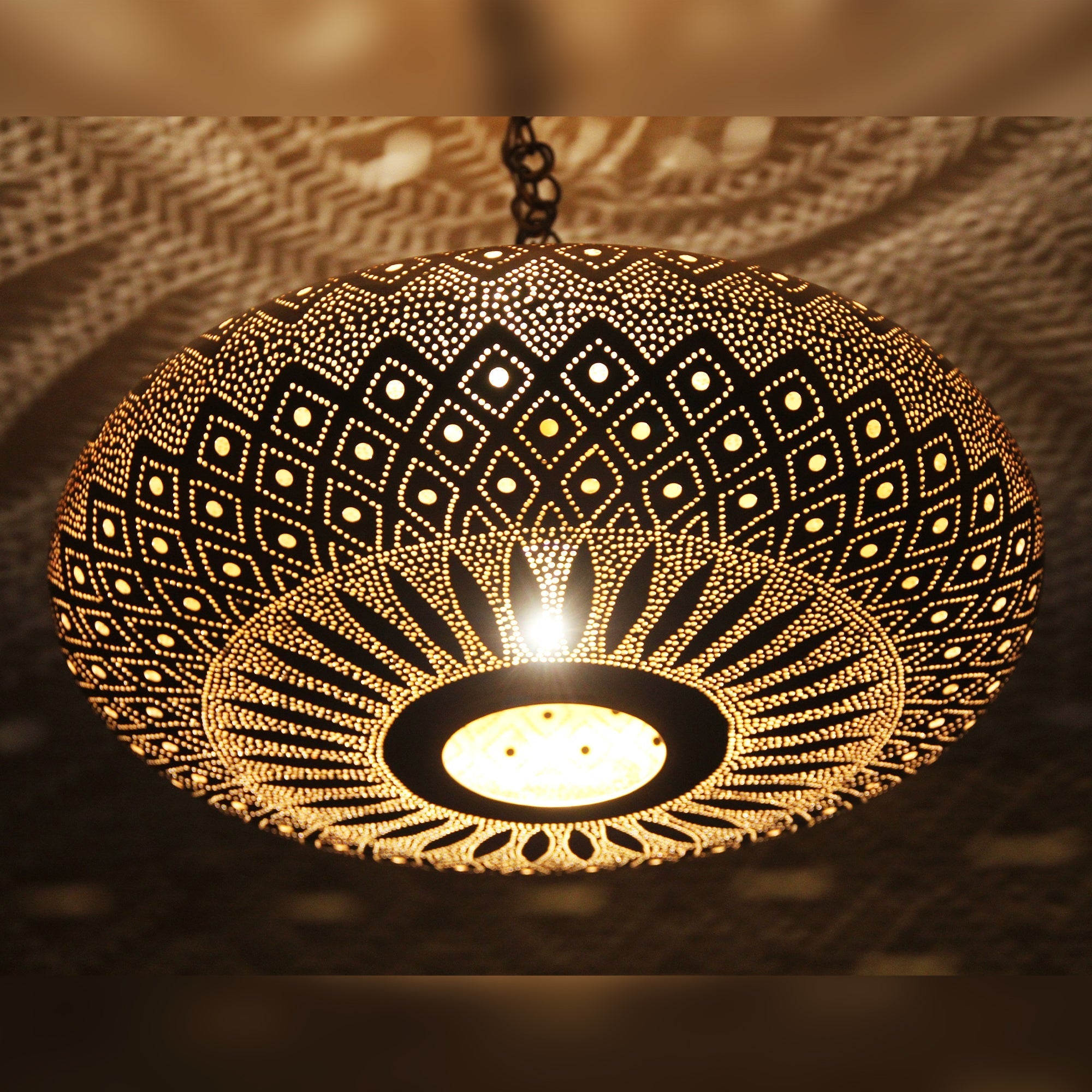
Lighting in Mediterranean interiors seeks a balance between drama and ease. Brass, with its warm glow, accomplishes both in a way that is inherently Moroccan. Ceiling luminaires—whether a stylized lantern-inspired pendant or a sculptural chandelier—act as focal points that anchor the room’s axis. The metal’s reflective warmth bounces across plaster and stone, softening shadows and inviting comfortable gatherings. For a cohesive look, pair ceiling brass with brass wall lights that echo the same motifs and finishes. This approach yields a layered glow that feels curated rather than staged.
Brass table lamps complete the trifecta, bringing intimacy to corners and bedside nooks. A brass base with a hand-cut shade can harmonize with a ceramic table vase or a woven textile, creating a tactile counterpoint that enriches the space. When selecting brass lighting for a Mediterranean interior, think in terms of proportion, texture, and the way finish ages with use. A lamp that catches the morning sun or the candlelight of an evening meal becomes a kinetic sculpture—an everyday luxury that aligns with Moroccan artisan aesthetics. Explore our brass table lamps to find pieces that suit your room’s scale and mood.
Bringing together materials for a harmonious look
Light is only one half of the equation. The other half lies in materials—stone, plaster, wood, ceramic—that surround brass lighting. The tabla rasa of white plaster walls can be warmed by brass fixtures, while earthy terracotta or saturated ceramic tiles can make brass appear brighter without overwhelming the palette. In practice, a Mediterranean room might feature a whitewashed wall with a blue ceramic tile backsplash, complemented by brass ceiling lights and a brass table lamp. The result is a curated contrast: bright, reflective surfaces tempered by the metal’s natural warmth. For a curated shopping path, see our ceiling lights and brass wall lights collections to begin assembling a balanced lighting scheme.
Brass in the bathroom: faucets, sinks, and shower accents
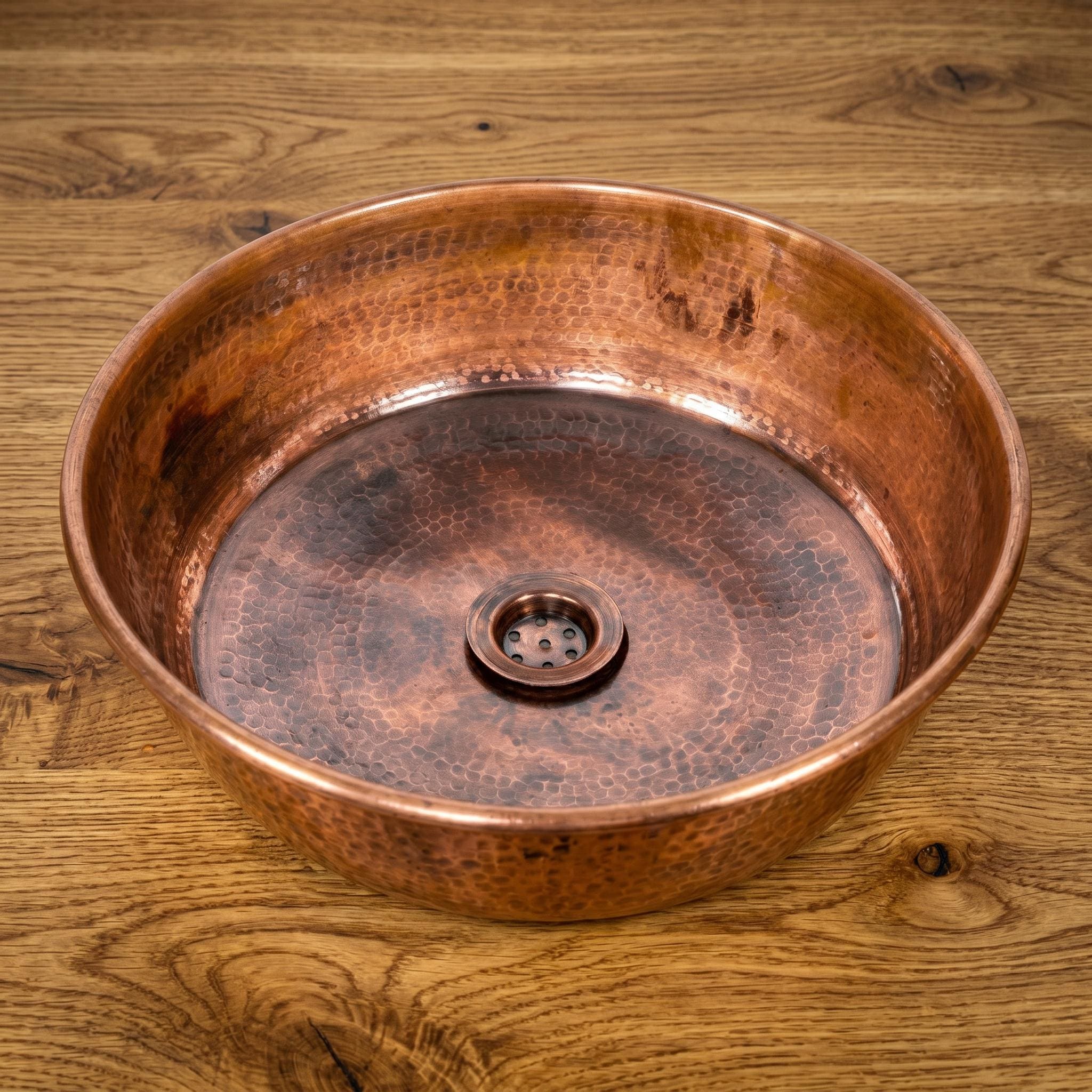
Brass in bathroom fixtures translates the luxury of Moroccan craft into daily rituals. Brass faucets, brass sinks, and shower fixtures are not merely utilitarian; they are design statements that define the room’s ambiance. A brass faucet gleams with a controlled radiance, resisting moisture with a patina that develops gracefully over time. Brass sinks—especially those with hand-hammered textures—offer a tactile focal point that elevates the sense of craftsmanship in even the most private spaces. The interplay of brass with marble, quartz, or even gray limestone floors can make the bathroom feel like a spa that draws on the Mediterranean’s sun-drenched light and Moroccan heritage.
When styling a bathroom with brass elements, continuity is key. The same finish on a faucet should be reflected in a towel hook or a small accessory to unify the room. If you value a clean, modern look, pair a brass faucet with matte surfaces and minimal hardware; if you prefer a more traditional vibe, align brass fixtures with ornate plumbing overlays or a hammered sink finish. To explore brass bathroom options, browse our bathroom faucets and brass sinks collections for a comprehensive selection that respects Moroccan artistry.
The shower as a design ritual
A brass shower system can be both functional and ceremonial. In Mediterranean spaces, a well-designed shower draws the eye with its gleam and forms a core part of the daily routine. A brass shower fixture often features a robust valve, an elegant handle, and a drenching rain head that feels generous and comforting. Pair this with a natural stone surround and a muted palette to maintain a sense of calm and luxury. You might also consider a brass wall hook as a subtle finishing touch near the shower for towels and robes, linking practical details with the room’s broader aesthetic. Explore our shower fixtures systems for curated options that align with Moroccan brass artistry.
Styling with texture, color, and natural materials
One of the most compelling aspects of Moroccan brass is its versatility within a wide range of palettes. Brass’s gold undertones respond beautifully to warm woods, terracotta tiles, and sea-glass blues typical of Mediterranean design. In a sunlit living room, a pair of brass wall sconces can cast a gentle halo around timber beams, while a central brass chandelier adds a rosy gleam to gatherings. If your space features cool tones, consider pairing brass with soft whites and pale marble to maintain brightness without sacrificing warmth.
Texture is essential: combine smooth brass with hammered surfaces, woven textiles, and tactile ceramics to create depth. For example, a brass wall sconce with a hammered finish paired with a ceramic lamp and a linen shade can echo the artisanal feel found in traditional Moroccan courtyards. The goal is to balance glint with restraint so that the pieces feel intentional rather than ornamental. If you’re assembling a refined look, begin with our curated selections in brass wall lights and candle holders, then layer in additional brass accents from brass wall hooks for a coherent, tactile environment.
Care, patina, and longevity of brass in vibrant homes
Brass is a material that changes character with time. The patina that develops across surfaces—golden to coppery hues—tells a living story of a space. Proper care involves regular dusting, avoiding harsh cleaners that can strip patina, and occasional protective polishing with a product suitable for brass. The Mediterranean light naturally enhances brass’ sheen, so minimal intervention often yields the most beautiful finish: a soft, evolving glow that mirrors the sun’s arc across the walls. In humid bathroom environments, wipe fixtures with a dry cloth after use and consider a light pewter-soft polish every few months to preserve the harmony between shine and patina.
Importantly, brass is not fragile; it is resilient and forgiving when treated with respect for its living surface. If you notice a deeper patina in a high-traffic area, see this as an opportunity to curate a story—similar to how Moroccan brass artisans intentionally vary finishes across a single collection. The result is a home that feels designed by nature and nurtured by craft. For ongoing inspiration, explore our brass wall lights and ceiling lights, which demonstrate how patina can become a signature element in cohesive design.
Sourcing and linking to collections for a cohesive look
A successful Mediterranean interior built around Moroccan brass lighting and fixtures relies on a consistent design rhythm. Start by selecting a primary brass piece—perhaps a chandelier in the dining room or a statement faucet in the bathroom—and then build the room around it. The key is to maintain a shared language: similar finishes, complementary silhouettes, and a recurring material narrative. For example, if you choose a ceiling light with a slightly hammered surface, echo that texture in a pair of wall sconces and a set of brass hooks near entryways or the bathroom. This ensures your home reads as a designed environment rather than a collection of separate pieces.
To begin this balanced approach, you can explore the following collections that align with Moroccan brass craftsmanship and Mediterranean styling: brass kitchen island lighting for dining and kitchen zones, Moroccan glass lamp for nuanced glass detailing, and the brass wall lights and ceiling lights collections to shape a layered lighting plan. By weaving these elements, you create an interior that feels curated, warm, and authentically Moroccan while remaining timelessly Mediterranean.
FAQ
- What makes Moroccan brass unique in interiors? Moroccan brass is often hammered by hand, with motifs rooted in centuries of artisan tradition. Its warm patina, depth of color, and tactile texture set it apart from mass-produced metals, making each piece feel like a small sculpture for your walls or surfaces.
- How should I mix brass with other metals? Pair brass with natural materials like wood, stone, and ceramic. Avoid mixing too many metals in one space to preserve a calm, cohesive palette. Accents in bronze or aged metal can complement brass without creating visual competition.
- Is brass suitable for small spaces? Yes. Brass reflects light and can brighten nooks and alcoves. Use a few well-chosen pieces—such as a brass pendant above a dining table or a brass faucet in a compact bathroom—to create focal points without overwhelming the space.
- How do I protect brass in a busy bathroom? Wipe after use to remove moisture and use mild cleaners designed for brass. A light wax or protective product can help preserve the finish while maintaining a soft glow.
Conclusion
Moroccan brass lighting and fixtures offer more than practical illumination or hardware. They are an invitation to inhabit spaces that feel handcrafted, storied, and warmly welcoming. In Mediterranean interiors, brass becomes a bridge—linking Moroccan craftsmanship with contemporary comfort through texture, color, and luminous depth. By selecting a few cornerstone pieces—ceiling lights, wall sconces, and a table lamp in a shared brass finish—you can create a cohesive, luxurious atmosphere that honors tradition while embracing modern living. The result is a home that glows with a refined, artisanal aura and a sense of timeless Mediterranean charm.