Cart
0
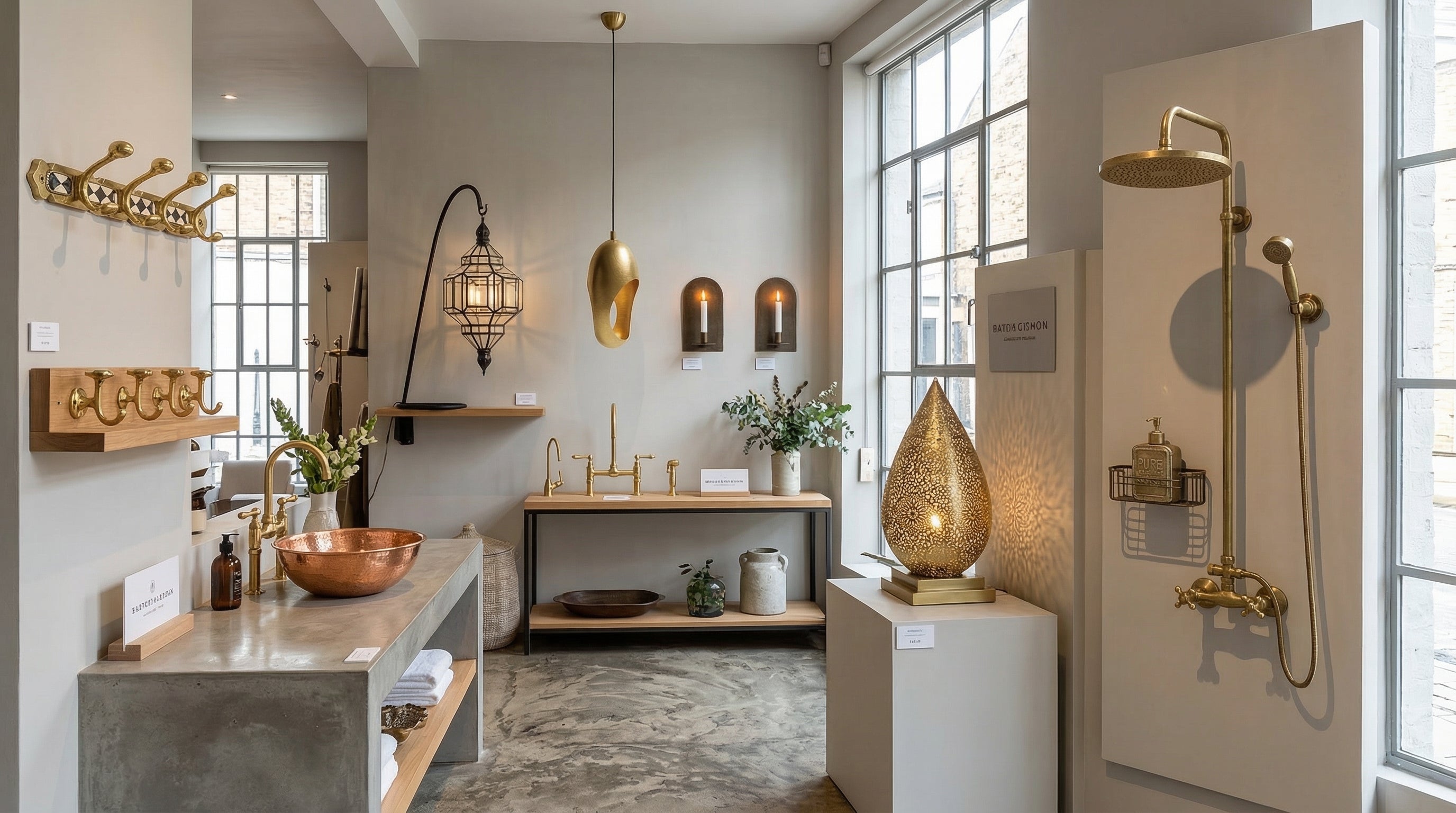
A living brass finish is more than a surface treatment—it is a conversation between light, time, and touch. In Moroccan craftsmanship, this living brass finish gives lighting and bathroom fixtures a soulful patina that suits Mediterranean-inspired interiors with extraordinary ease. From pierced lanterns that scatter filigreed shadows to hand-formed taps that mellow into honeyed warmth, brass that evolves naturally lends depth, history, and quiet luxury to your home.
Table of Contents
- What Is a Living Brass Finish?
- Why the Living Brass Finish Flatters Mediterranean Interiors
- Moroccan Lighting in a Living Brass Finish: Layering Light
- Specifying Bathroom Fixtures in a Living Brass Finish
- Styling Room by Room
- Patina Care and Maintenance Myths
- Material Pairings and Palette Ideas
- Sizing and Scale: A Quick Guide
- Buying Checklist for Quality Brass
- Common Mistakes to Avoid
- FAQs
- Conclusion
What Is a Living Brass Finish?
A living brass finish is unlacquered brass—free of heavy sealants—allowing the metal to respond naturally to air, moisture, and the oils of daily handling. Over weeks and months, the surface matures from bright gold to deeper, more nuanced tones: antique gold, caramel, even subtle olive undertones. This gentle metamorphosis is the signature of authenticity and artisanal crafting.
Unlike coated metals that aim to freeze time, a living brass finish honors it. Each season leaves a trace; each polished touch tells a story. In Moroccan artisan workshops, master metalworkers embrace this evolution, hammering, chasing, and perforating brass by hand so the final piece refracts light with warmth that only time can perfect.
Why the Living Brass Finish Flatters Mediterranean Interiors
Mediterranean style is about sun-washed balance: textural plaster, hand-formed tile, linen softened by sea air, and architectural quietude enhanced by natural materials. The living brass finish belongs here instinctively. Its mellow glow echoes terracotta and travertine; its patina harmonizes with limewash and tadelakt. Where cooler metals can feel aloof, aged brass feels gracious—like a home that welcomes you back.
Texture Over Gloss
Matte and softly reflective surfaces define Mediterranean rooms. Unlacquered brass, with hand-worked subtlety, casts a dappled, low-glare light that flatters walls, textiles, and ceramics. The result is an interior that looks curated rather than contrived, serene rather than staged.
Color That Warms, Not Overwhelms
As brass develops depth, its tones read as warm neutrals rather than flashy metallics. This makes it versatile around whitewashed walls, earthy tiles, and natural stone. The metal becomes a unifying thread, connecting spaces with quiet continuity.
Moroccan Lighting in a Living Brass Finish: Layering Light
Light is architecture’s second rhythm. Moroccan brass lighting, especially in a living brass finish, gives you both structure and mood. Start with sculptural anchors overhead, then add glow and shadow along the vertical plane, and finish with intimate pools of light at eye level.
Overhead: Sculptural Statements
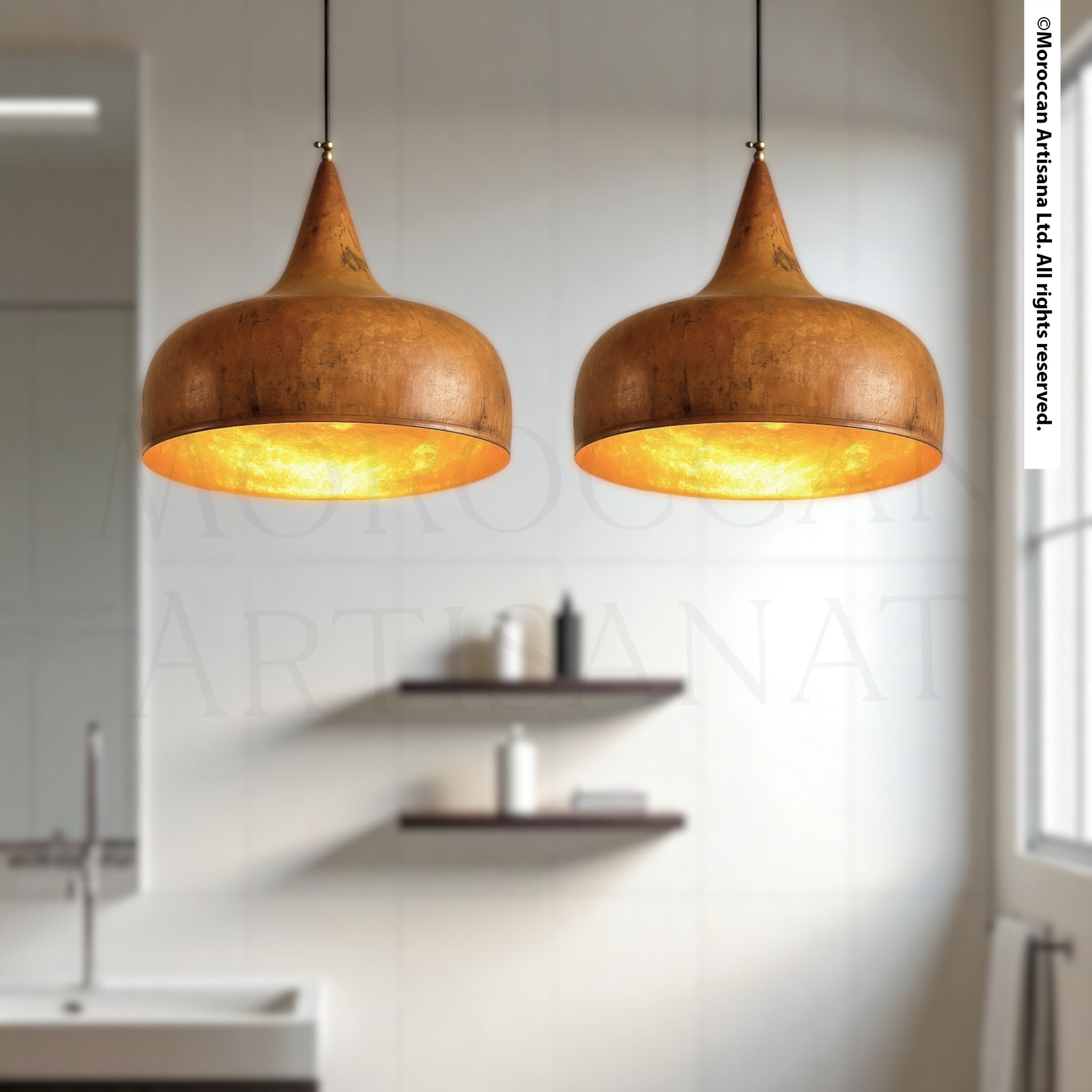
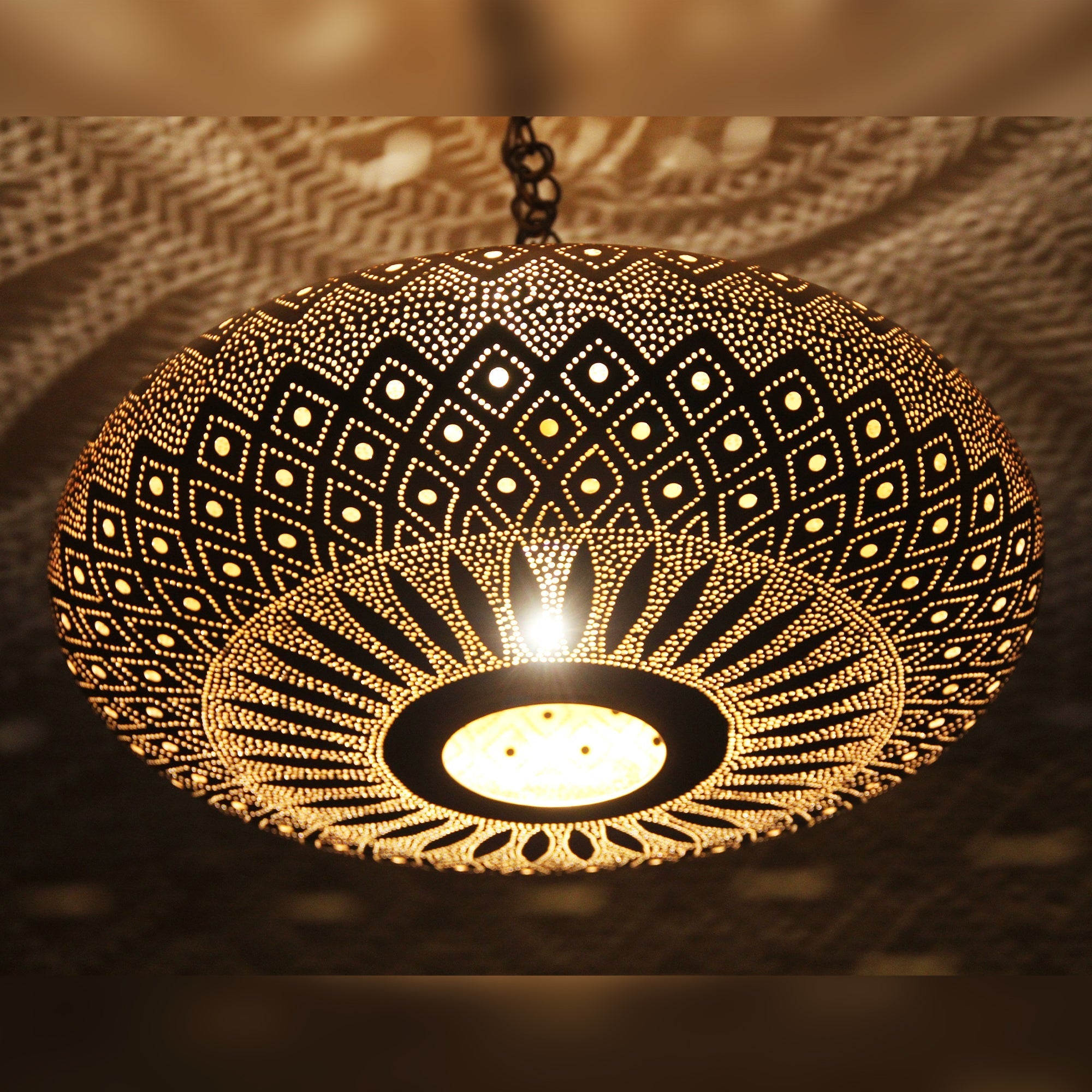
Begin with pierced forms that throw intricate patterns at dusk. Consider installing pierced brass ceiling lights with hand-cut motifs for entrances, dining rooms, or galleries. Their evolving patina will soften the glow over time, creating ever-richer shadow play on plaster and stone.
Mid-Level: Ambient and Accent
On the walls, silhouette becomes theater. Choose brass wall sconces that celebrate negative space—arched, fluted, or star-pierced. In corridors, pair two or three along a stretch to draw the eye forward. In living rooms, flank a fireplace or console to deepen the sense of symmetry and warmth.
Task and Intimacy
For reading corners and bedside ambiance, combine small-shade lamps with artful switch plates and hand-forged pulls in the same living brass finish. The harmony of details is where luxury becomes discreet.
Specifying Bathroom Fixtures in a Living Brass Finish
Bathrooms are where brass’s “living” qualities shine—literally and metaphorically. Water, steam, and daily rituals encourage a nuanced patina that adds authenticity to a spa-like retreat.
Sinks and Basins
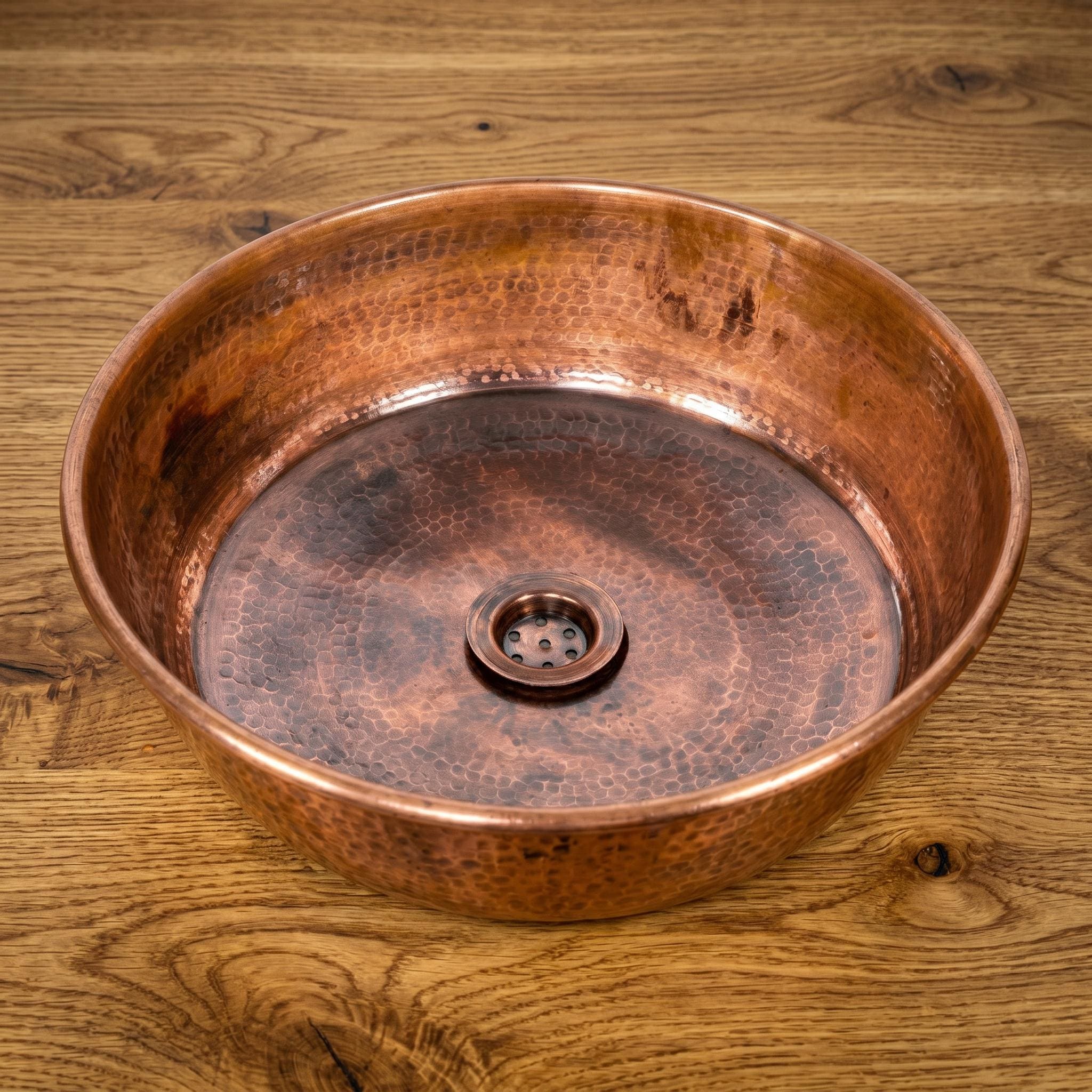
A patinating basin is a jewel, not a compromise. If your room embraces tadelakt or natural stone, a hand-formed solid brass sink creates a striking focal point. Over time, ripple-soft reflections develop, speaking to the craft of the artisan and the cadence of your routine.
Showers and Systems
For enveloping comfort, choose well-engineered brass shower systems whose valves and trims are built to last. Unlacquered trims will mellow gracefully, mirroring the tones of sand and stone. Balance them with neutral tile and, if you like, a patterned niche in zellige for a hint of Fez.
Hardware Harmony
Unify the space with small-but-significant accents—towel rails, robe rings, and brass wall hooks. These details carry the patina language across the room, ensuring consistency even if the vanity or mirror frame features a different wood or stone species.
Styling Room by Room
Entry
Welcome guests with a single statement pendant and a petite console vignette. A warm runner, a clay urn, and a mirror framed in aged wood complete the composition. Allow the brass to be the quiet gleam that catches the afternoon light.
Living Room
Layer two to three light sources: an overhead lantern, a pair of wall lights, and a table lamp. Keep textiles grounded: undyed linen, wool, and hand-loomed throws. Let brass be a chromatic anchor—neither bright accent nor afterthought, but the thread that ties together timber, plaster, and stone.
Dining Room
Center the table with a sculptural fixture and consider candlelight for intimate evenings. The living brass finish harmonizes with ceramics and glass, so set your table with earthenware and hammered metal chargers for tactile depth.
Kitchen
Balance functional lighting with atmosphere. Choose fixtures with softly diffused shades and keep finishes consistent across pulls and taps. If your palette is pale oak and limestone, the brass will feel like sunshine distilled.
Primary Bath
Compose a calm retreat: a vessel sink in living brass, a wide mirror, and a restrained color palette. Keep grout lines fine; pair with limewash or microcement. The space will age handsomely, much like a seaside villa that becomes lovelier with time.
Patina Care and Maintenance Myths
Myth: Patina Equals Neglect
Patina is not dirt; it is chemistry and poetry. It forms in nuanced layers and protects the brass itself. If you prefer a brighter look, polish lightly on high-touch points while letting recesses darken for contrast.
Myth: Bathrooms Are Too Harsh for Unlacquered Brass
In reality, bathrooms are among the best settings. After use, simply wipe water spots with a soft cloth. A monthly gentle clean is plenty; the surface will even out and glow.
Myth: All Brass Is the Same
Not all alloys or thicknesses perform equally. Heavier-gauge brass with thoughtful joinery and artisan finishing will patinate more gracefully and last far longer than thin, mass-produced pieces.
Material Pairings and Palette Ideas
Stone and Plaster
Travertine, limestone, and tadelakt celebrate brass’s warmth. Softly honed surfaces allow the metal’s sheen to resonate without glare. Limewash in mineral whites or sand tones turns your space into a luminous shell.
Tile and Mosaic
Handmade zellige in chalk, pearl, or sage pairs beautifully with living brass. Limit your palette to two or three hues; let the tile’s irregularity and the metal’s patina do the storytelling.
Textiles and Timber
Undyed linens, nubby wool, and oiled oak or walnut wrap brass in tactility. The combination feels fresh yet timeless, like coastal air passing through an old riad.
Sizing and Scale: A Quick Guide
- Entrances: Choose a pendant 1/3 the width of the foyer for presence without overwhelm.
- Dining Tables: Fixture width roughly half to two-thirds the table width; hang so the bottom sits 30–34 inches above the surface.
- Hallways: Space wall lights roughly 8–10 feet apart; center at about 60 inches from the floor.
- Vanities: Pair sconces at eye level (about 60–66 inches) to light the face evenly.
Buying Checklist for Quality Brass
- Solid brass construction: Prefer solid over brass-plated. Weight is a good indicator.
- Visible handwork: Look for slight irregularities—subtle hammer marks, hand-cut perforations.
- Thoughtful engineering: In showers and taps, check valve quality and serviceability.
- Finish integrity: Confirm unlacquered if you want a true living brass finish.
- Provenance: Artisans with lineage and workshop transparency provide lasting value.
Common Mistakes to Avoid
- Mixing too many metals: Limit to one hero metal; allow brass to lead while iron or bronze plays a subtle supporting role if needed.
- Overpolishing: Glossy brass can feel new when the room wants nuance. Polish lightly, selectively.
- Undersizing fixtures: Grandeur requires proportion. Slightly larger often reads more luxurious.
- Forgetting layers: One overhead light is rarely enough. Layer ambient, task, and accent for atmosphere.
FAQs
Will a living brass finish stain or spot permanently?
Water marks and fingerprints are part of the early story; most will mellow as the patina evens out. If a mark appears stubborn, buff gently with a soft cloth and a touch of mild brass polish, focusing on high-touch areas for a naturally graduated look.
Can I mix living brass with chrome or nickel?
Yes—in moderation. Keep brass as the main narrative, and let a cooler metal appear in small, functional roles. Consistency across prominent pieces (lighting and primary hardware) preserves cohesion.
How do I maintain brass in the bathroom?
After showers, wipe fixtures to prevent mineral build-up. Once a month, clean with a mild soap solution and dry thoroughly. Avoid abrasive pads. If you prefer more sheen, spot-polish handles and spouts lightly; leave recesses to darken.
Will a living brass sink be difficult to live with?
It’s remarkably practical. Rinse after use, wipe occasionally, and embrace the gentle color shifts. Over time the basin becomes more forgiving, not less.
How do I coordinate multiple brass tones?
Stay within one family—unlacquered, living brass—and let natural variation harmonize. Choose all key pieces from the same workshop where possible, then layer supporting accents freely.
Conclusion
When you invite a living brass finish into your home, you invite time itself—sunlit mornings, candlelit dinners, steam-softened evenings—to mark the metal with character. In Moroccan craftsmanship, this living surface turns lighting and bathroom fixtures into heirlooms-in-the-making, perfectly attuned to Mediterranean calm. Choose pieces with integrity, layer them thoughtfully, and let patina write the rest of the story—gently, beautifully, and entirely your own.
For sculptural overheads that cast lace-like shadows, explore our Moroccan ceiling lights in living brass. To trace glow along the walls, discover hand-formed brass wall sconces. In the bath, anchor your sanctuary with artisan brass sinks and complement them with enduring brass shower systems and quietly refined brass wall hooks. Let each piece evolve, and your home will glow with the intimate luxury only true materials can give.