Cart
0
Inside a Marrakesh Brass Workshop: How Our Artisans Hand-Hammer Every Pendant Light
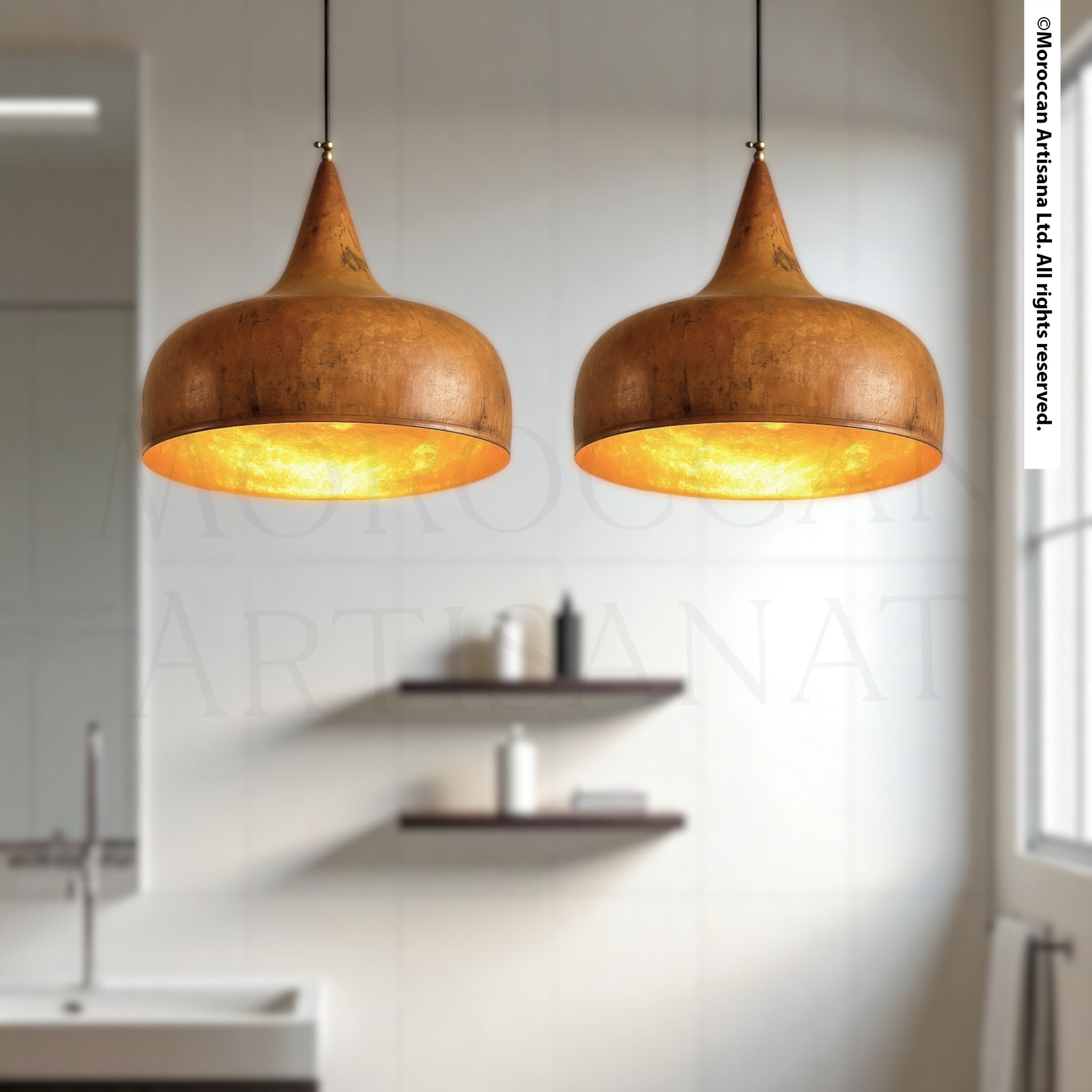
Marrakesh hums with the sound of hammers striking metal before sunrise. Deep in the copper and brass district, artisans sit cross-legged over anvils, turning flat sheets of raw metal into pendant lights that will eventually hang above kitchen islands and dining tables around the world. Our workshop sits inside this centuries-old district, where skills move from father to son and mentor to apprentice, never through a factory manual.
This piece walks through that process, sheet metal to finished pendant light, and explains why hand-hammering still beats machine stamping for lighting that lasts decades, not seasons.
The Heart of Marrakesh's Metal District
Marrakesh earned its reputation as a metalworking capital centuries ago, and the tradition never faded. Narrow alleys near the medina still house dozens of small workshops, each one specializing in a different craft: engraving, hammering, soldering, polishing. Our artisans trained inside this exact network, learning techniques that predate electric tools by generations.
Local guilds once controlled who could call themselves a master brass worker. That system shaped the discipline artisans bring to every pendant light produced today. Every piece tests an artisan's skill daily, one hammer strike at a time, not through a certificate on a wall.
Raw Brass Sheets Begin the Journey
Every pendant light starts as a flat sheet of brass or copper, cut to size and checked for thickness. Thin sheets bend too easily under a hammer and crack along stress points; thick sheets resist shaping and slow the artisan down. Workshop leads select sheet gauge based on the final design — a dome shade needs different flexibility than a straight-sided cylinder.
Artisans mark the metal first, tracing chalk lines to guide each hammer strike toward symmetry without relying on a machine template. This step alone separates a rushed piece from one built to hold its shape for thirty years.
The Hand-Hammering Process, Step by Step
Hammering happens in stages, not one continuous session. An artisan works a section of metal, softens it under heat, then returns to shape it further once it cools slightly. A rushed sequence cracks the brass or leaves uneven surfaces that catch light poorly.
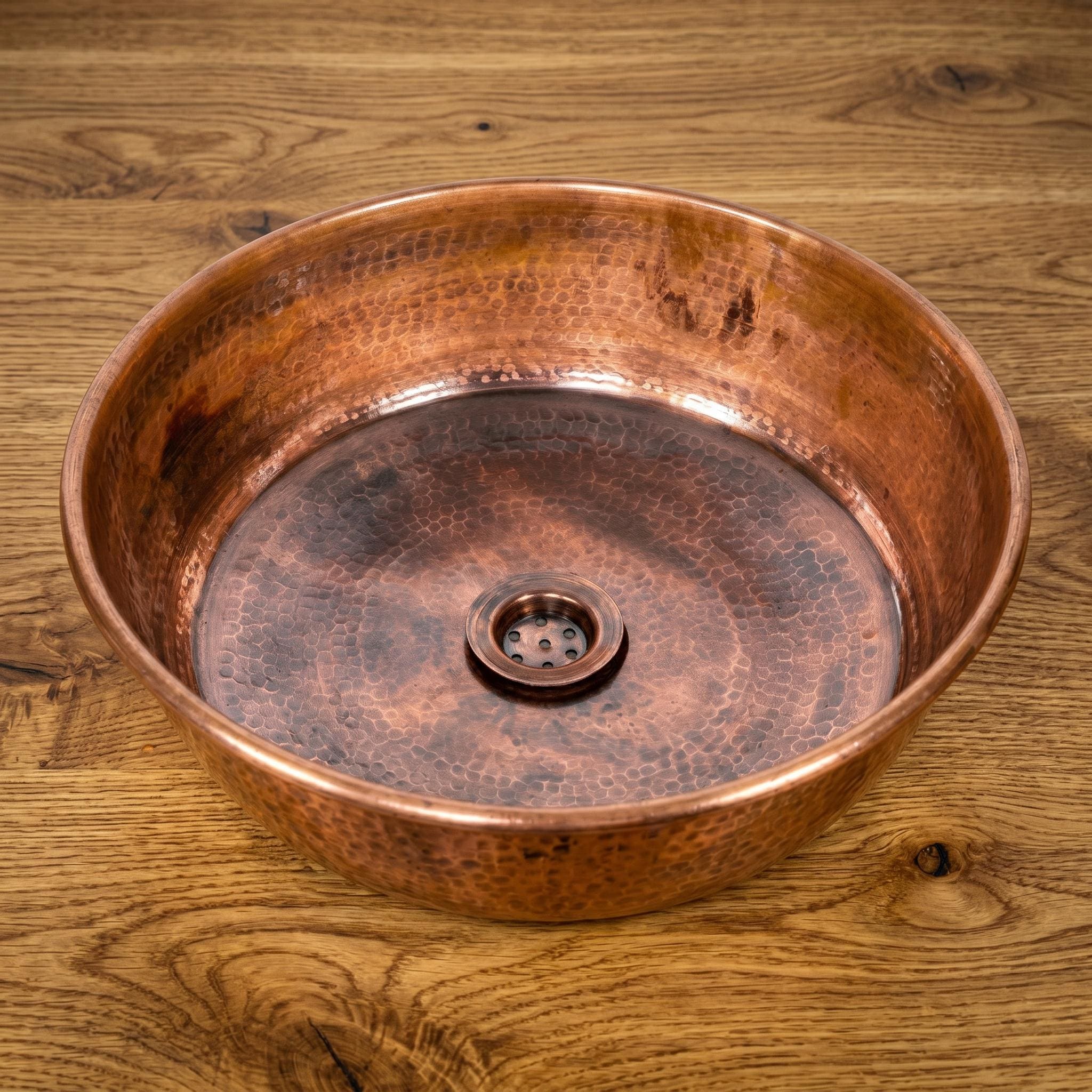
Dome shapes emerge from repeated strikes around a wooden or metal mold called a "chuck." Rather than force the metal into shape all at once, the craftsman coaxes it gradually, rotating the sheet and adjusting hammer pressure with each pass. Artisans add texture patterns afterward, hammered dimples, ridges, scalloped edges, using smaller hammers with specialized heads.
Artisans solder seams by hand next, then file them smooth. A finished shade passes through several sets of hands before anyone calls it complete: one artisan for shaping, another for soldering, a third for polishing and finishing.
Tools That Never Retired
Walk into any Marrakesh brass workshop and notice the tools first: worn wooden handles, hammer heads polished from decades of use, anvils sunk into the workshop floor. Many artisans inherit their tools from a father or uncle rather than buy new ones.
Modern equipment exists here too, polishing wheels and soldering torches among them, but the shaping itself stays manual. Machines can stamp a perfect circle in seconds; they cannot replicate the subtle asymmetry that makes a hand-hammered wall sconce or lamp feel alive rather than printed.
Why Hand-Hammered Brass Outlasts Machine-Made Lighting
Machine-stamped brass often uses thinner metal to cut production costs, and thinner metal dents, warps, and fatigues faster. The hammering process compresses and strengthens the metal grain as the artisan works it, producing a denser, more durable surface.
Artisans reinforce solder joints on handmade pieces by hand too, rather than gluing or clipping them together. That difference shows up years later: a hand-hammered pendant light survives a house move, a temperature swing, decades of daily use. Mass-produced fixtures rarely make it past a single renovation cycle.
The Patina Story: How Brass Ages With Character
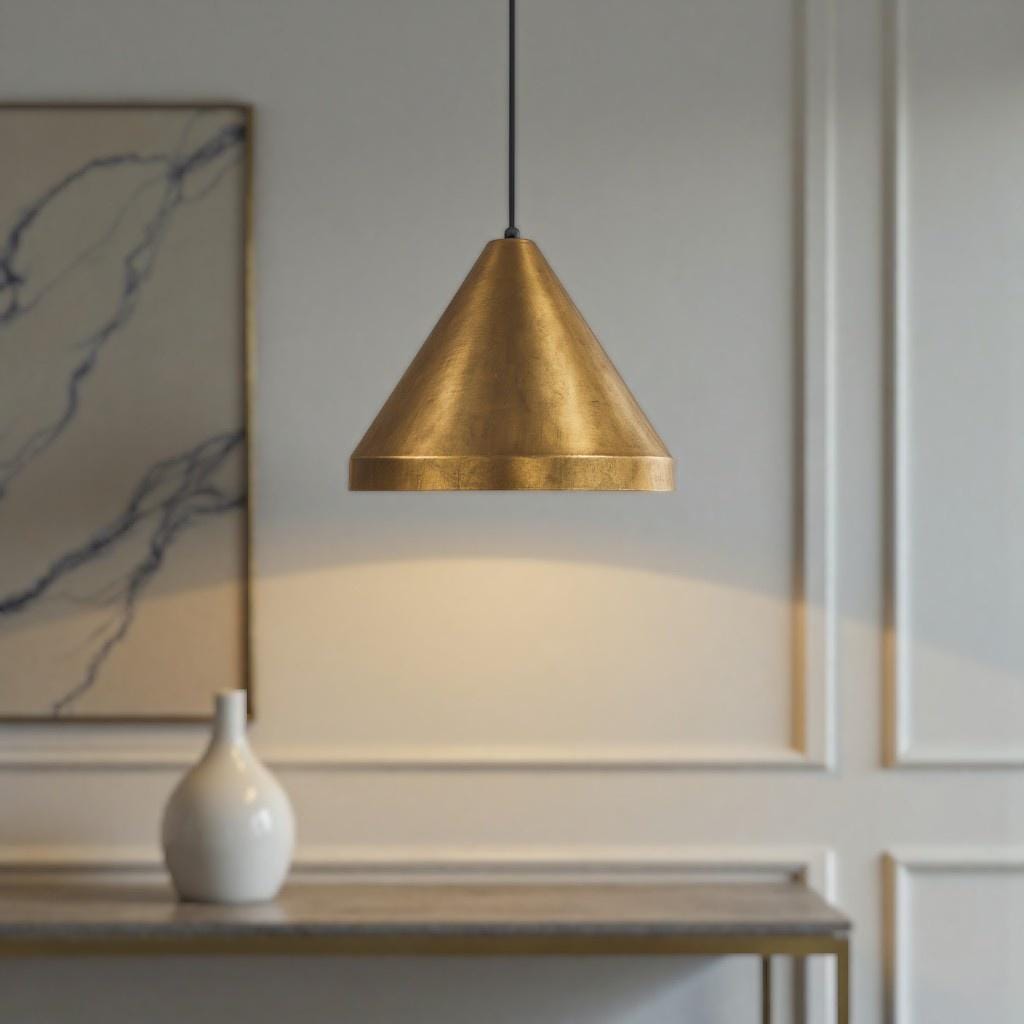
Unlacquered brass changes color over months and years, developing a warm, aged patina that lacquered metal never achieves. Oils from hands, humidity, and light exposure all play a role in that transformation. Copper and tin within the brass alloy react slowly with air, deepening the tone from bright gold toward a richer, aged bronze.
Nothing about this process signals a flaw. A darker patina actually confirms the brass is real, solid, and untreated with synthetic coatings — proof of the same craftsmanship that shaped it by hand in the first place.
From Workshop Bench to Your Living Room
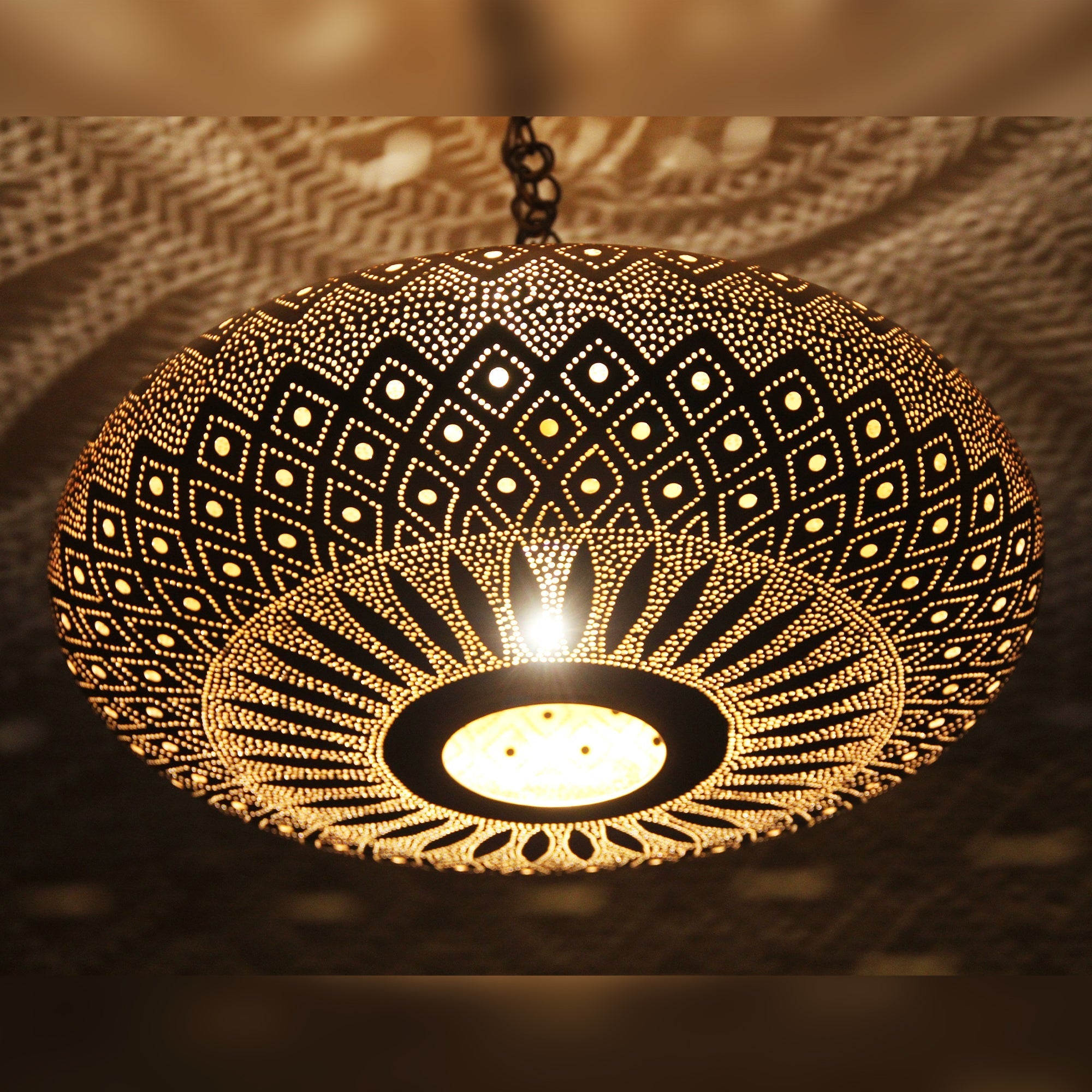
Every finished piece travels from this small Marrakesh workshop into homes across dozens of countries, carrying the fingerprints, sometimes literally, of the person who shaped it. Buyers rarely see this journey, yet it explains the weight, the texture, and the slight imperfections that distinguish a handmade lamp from a factory copy.
Browse the full lighting collection to see these techniques applied across pendant lights, wall sconces, and table lamps, or read more about the workshop's roots on the About Us page.
Frequently Asked Questions
How long does it take to hand-hammer one pendant light? Complex designs take between two and five days from raw sheet to finished shade, depending on size, texture detail, and soldering work required.
Does hand-hammered brass cost more than machine-made lighting? Yes, typically, because the process demands more skilled labor hours. The trade-off comes back as thicker metal, stronger joints, and a lifespan measured in decades.
Will my hand-hammered light have a completely uniform surface? No, and that's intentional. Slight variations in texture and shape confirm a human hand shaped the piece rather than a machine stamping it.
How do artisans learn this craft? Most train under a family member or master craftsman for years before working independently, following an apprenticeship model that predates formal trade schools in the region.
Does the patina on unlacquered brass need special maintenance? Regular dusting with a soft cloth works fine. Harsh chemical cleaners strip the natural patina, so avoid them entirely.
Every pendant hanging in a Marrakesh workshop window carries a story of hands, hammers, and patience most buyers never witness. Knowing that story changes how a lamp feels once it hangs in a kitchen or hallway, less like a purchase and more like a small piece of inherited craft.