Cart
0
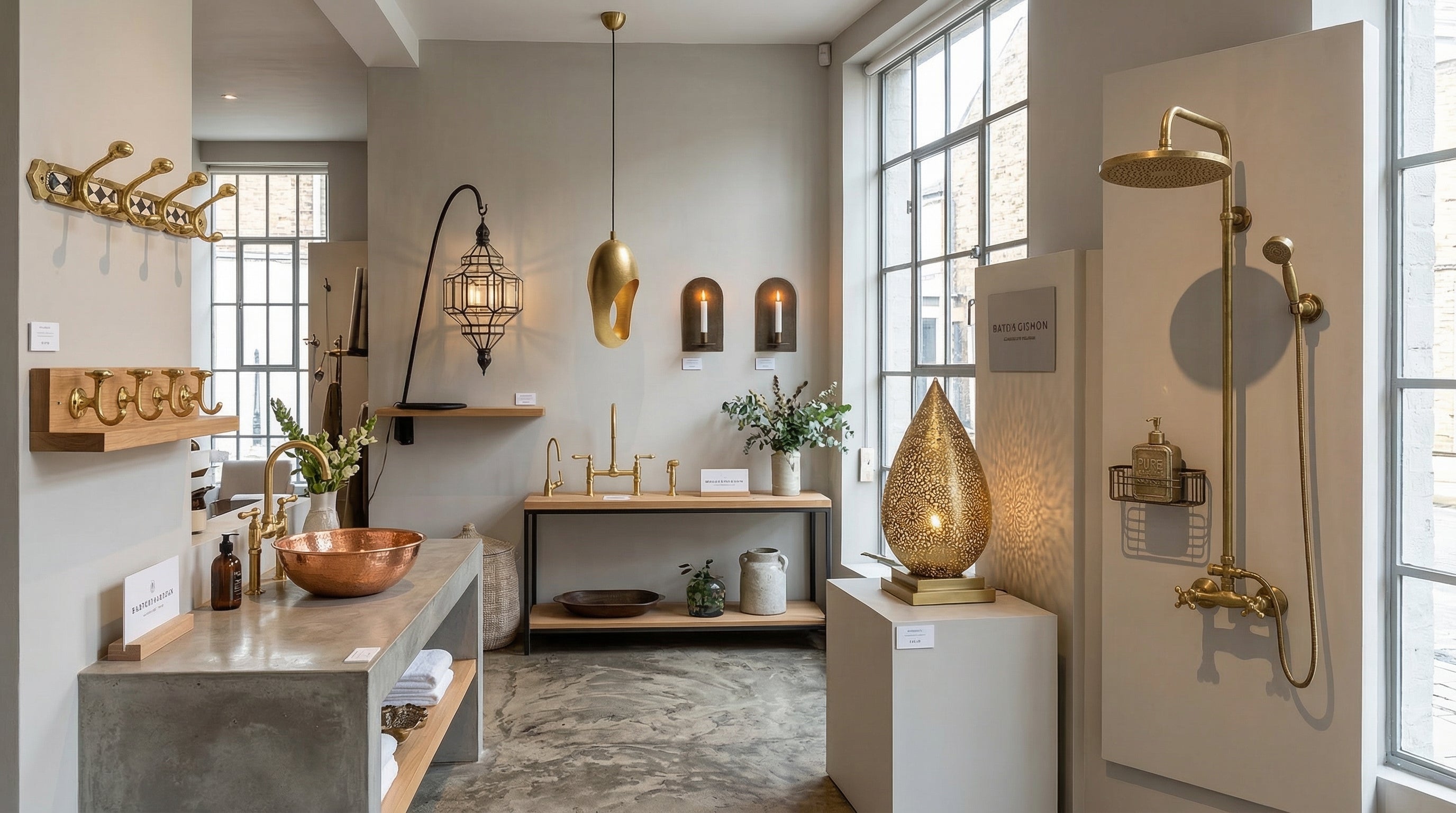
Nothing brings soulful warmth to a space quite like handcrafted Moroccan brass lighting. Each piece carries the touch of the artisan’s hammer—softly reflective, warmly golden, and intricately patterned—casting a living tapestry of light that instantly evokes sunlit courtyards and sea-breeze evenings along the Mediterranean. In this guide, we’ll design a home around this luminous craft, from choosing finishes and sizing to room-by-room lighting strategies that celebrate Mediterranean elegance.
Table of Contents
- The Mediterranean Mood: Light, Shadow, and Patina
- Why Handcrafted Moroccan Brass Lighting Changes a Room
- Room-by-Room Lighting Plans
- Scale, Height, and Spacing: Getting Proportions Right
- Finish, Patina, and Care
- Installation, Dimming, and Safety Considerations
- Ethical Craftsmanship and Authenticity
- Styling Lived-In Luxury: Textures, Colors, and Accents
- Suggested Image Alt Texts
- Frequently Asked Questions
- Conclusion
The Mediterranean Mood: Light, Shadow, and Patina
The Mediterranean interior is soft, tactile, and timeless—stucco or tadelakt walls, limewash finishes, terracotta underfoot, and the gentle shimmer of aged metal. In this world, brass does not shout; it glows. Perforated patterns trace arabesques on the wall; hammered domes reflect candlelight; and each evening brings a new complexion as natural light fades and brass begins to take over. Moroccan brass, in particular, carries a gentle alchemy: it balances the ornate with the elemental, the refined with the handmade.
Why Handcrafted Moroccan Brass Lighting Changes a Room
Great lighting is mood architecture. When crafted by hand, brass fixtures operate as both sculpture and instrument—guiding the eye, warming color palettes, and texturing surfaces with shadow.
The Poetry of Perforation and Filigree
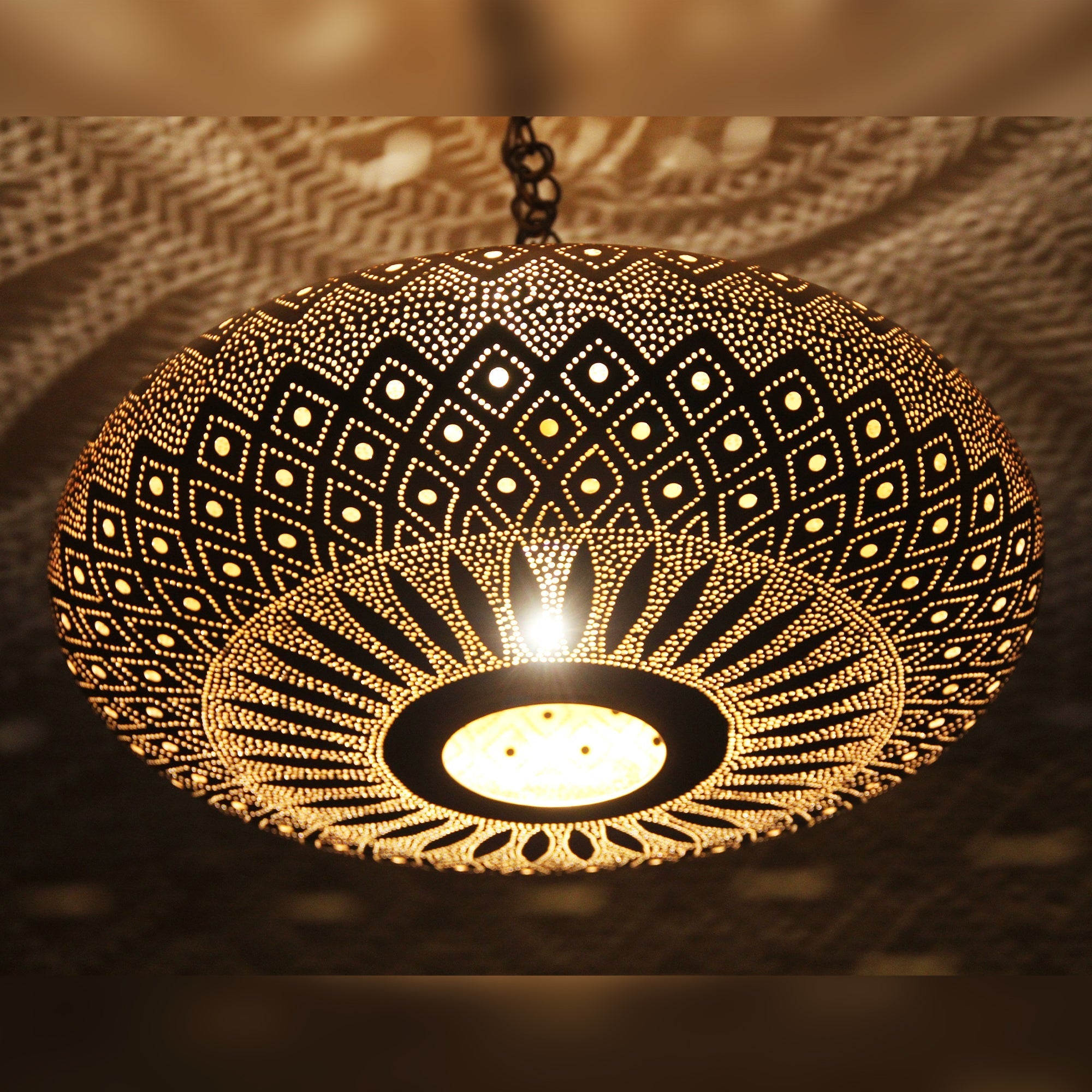
Moroccan filigree and punched motifs break light into lace-like projections, which softens edges and makes rooms feel cocooned. Over matte plaster or limewash, these shadows create depth where walls might otherwise appear flat. A perforated pendant over an entry sets the tone: this is a home where the details matter.
Color Temperature and Brass
Warm white bulbs (2700–3000K) flatter brass more than cooler temperatures. The metal’s honeyed undertone intensifies, making dark woods, woven palm, and earthen hues glow. Dimmable LED filaments preserve the romance—brass loves a slow dusk.
Room-by-Room Lighting Plans
Think in layers: ambient (overall light), task (focused light), and accent (decorative highlight). Start with the primary layer, then season with sculptural or patterned fixtures where you want drama.
Entry and Hallways: Welcome with Warmth
In narrow spaces, keep fixtures close to the ceiling to avoid crowding while preserving the glow. A pair of petite perforated pendants or a single statement dome establishes your home’s mood. For overheads that wash walls beautifully, explore perforated dome ceiling pendants in warm unlacquered brass. Along the corridor, rhythm is key: repeat details to guide the eye, then finish with a signature piece at the end of the vista.
Living Room: Layer for Conversation and Glow
A living room thrives on layered light. Use a central fixture for ambient illumination, then add sculptural wall lights to carve out intimate nooks. Beside seating, choose table lamps with warm, diffuse shades that land light on books, textiles, and conversation. For walls, consider solid brass wall sconces that throw artful patterns without glare. For tables, the warmth of a patinated base topped with a woven or parchment shade is impeccable—see our selection of artisan brass table lamps for layered sophistication.
Kitchen: Task First, Then Atmosphere
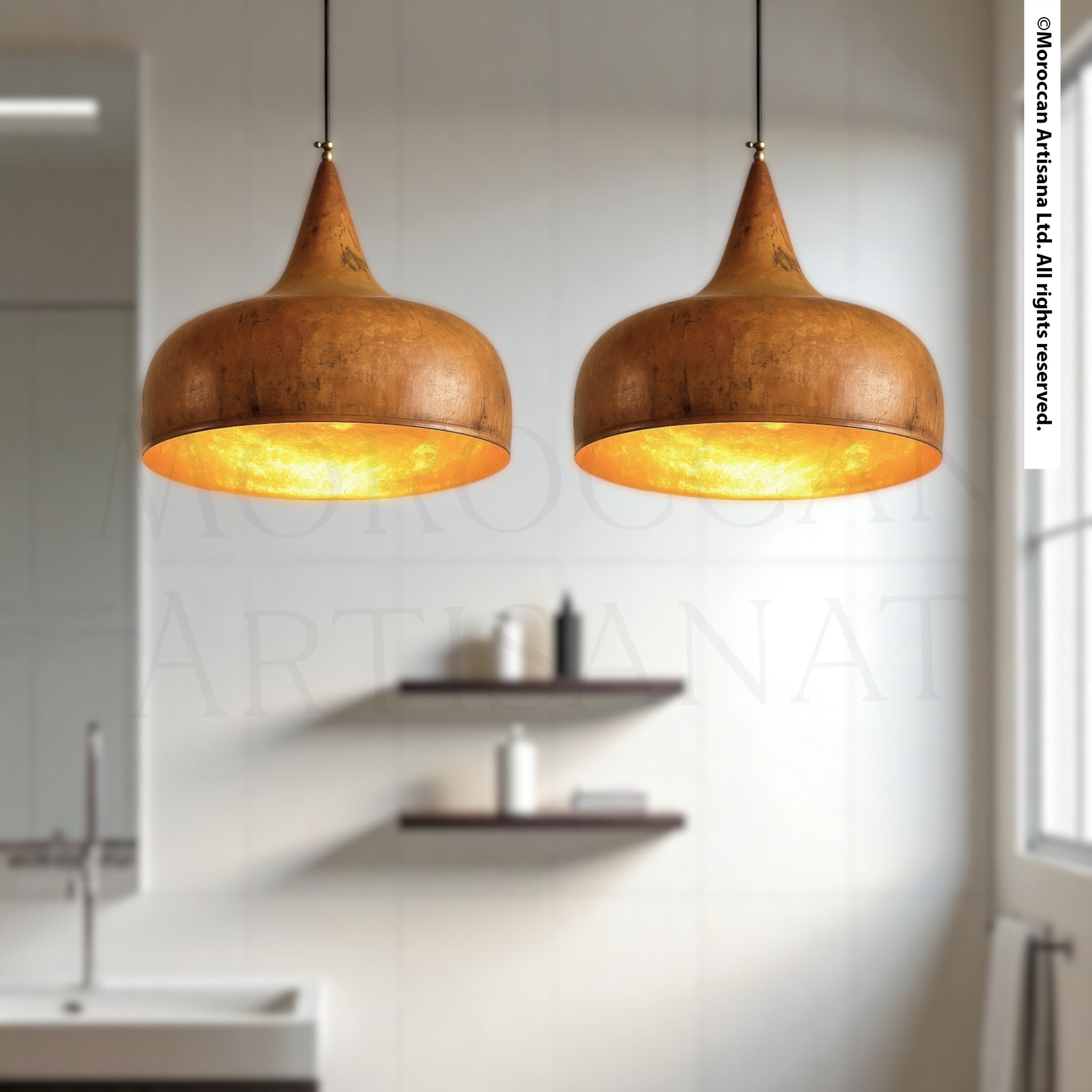
Above the island or prep counter, scale and placement define function. Err slightly larger on island pendants in open-plan layouts to anchor the space, and keep them on dimmers for evening ambiance. For a cohesive look that complements cabinet hardware and taps, explore brass kitchen island lighting with hammered or smooth domes. Finish the composition with a soft perimeter glow—under-cabinet lighting that doesn’t compete with the brass statement above.
Bathrooms: Calm, Coastal, and Practical
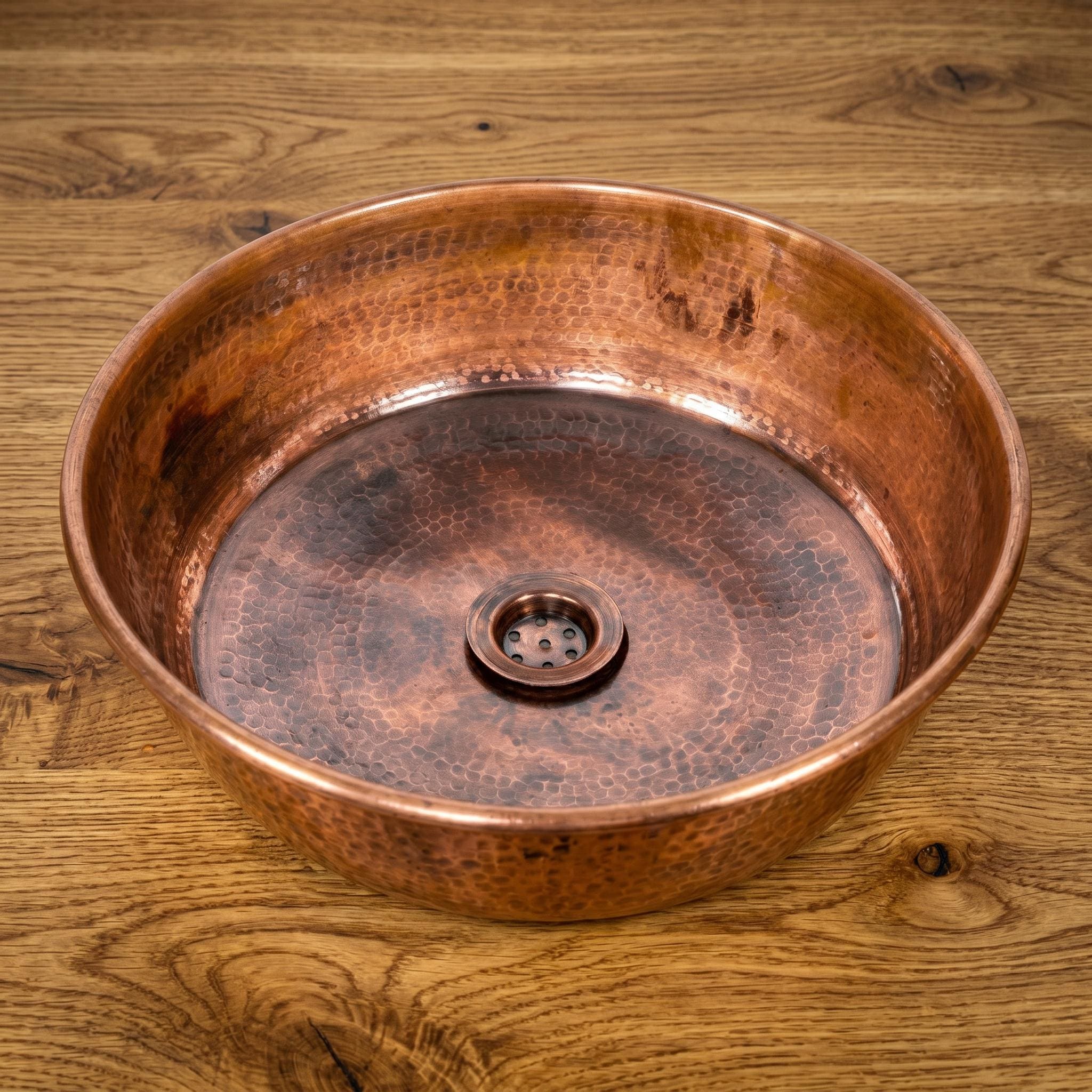
Moisture, mirrors, and marble benefit from steady, flattering light. Flank mirrors with sconces mounted at eye level to reduce shadows. If your bath leans spa-like with tadelakt or stone, brass adds a subtle sunlit gleam that never feels cold. Pair lighting with authentic plumbing pieces for harmony: consider Moroccan brass bathroom faucets with gentle, hand-turned profiles and complete the suite with hand-hammered brass sinks for tonal continuity. Ensure fixtures in wet zones meet appropriate moisture standards and coordinate finishes across taps, drains, and lighting for a composed, Mediterranean calm.
Bedroom: Quiet Light, Soft Shadows
In the Mediterranean spirit, a bedroom should feel like a breeze-washed retreat. Use a ceiling lantern on a dimmer for overhead balance, then favor bedside sconces or petite table lamps for the nightly unwind. Warm brass at low levels flatters linens and brings out the richness of wood grains and woven textures.
Scale, Height, and Spacing: Getting Proportions Right
Beautiful fixtures lose their magic if mis-sized or poorly placed. Use these principles as a compass and adjust to your architecture.
Ceiling Fixtures and Pendants
- Diameter rule of thumb: For a pendant over a table, aim for 50–60% of the table’s width. Over an island, use two to three pendants sized so their combined visual mass feels balanced with the island length.
- Hanging height: In dining areas, the bottom of the pendant should typically sit 28–34 inches above the table. For kitchen islands, often 30–36 inches above the countertop, adjusting for sightlines.
- Clearances: In circulation zones, provide at least 7 feet of clearance from the floor to the bottom of the fixture for comfort.
Wall Lights
- Mounting height: For vanity sconces, center the backplate around 60–65 inches off the floor or at eye level for the primary users.
- Spacing: If flanking a mirror, allow 2.5–3 feet total width between sconces for a standard 24–30 inch mirror. In hallways, evenly space a rhythm of sconces to avoid bright-hotspots and dark-gaps.
Table and Portable Lamps
- Shade level: Position so the bottom of the shade aligns around eye height when seated, reducing glare while keeping the bulb hidden.
- Pairing: Repeated brass tones across lamp base, small trays, or picture frames support a cohesive, collected look.
Finish, Patina, and Care
Brass can be lacquered for stability or left unlacquered to develop a living patina. The latter option is beloved in Mediterranean homes because it tells the story of daily rituals and sunlit seasons.
Choosing Your Brass Personality
- Unlacquered brass: Ages gracefully, moving from bright to honeyed to softly umber, particularly near salt air. Ideal if you crave character and a more antique mood.
- Lacquered brass: Retains initial sheen with minimal care. Perfect for clients preferring a steadfast, uniform finish across rooms.
- Antique or brushed finishes: Tone down reflectivity and blend easily with wood, rattan, and earthenware.
Maintenance That Honors the Craft
- Routine: Dust with a dry, soft cloth. Avoid harsh chemicals that strip hand-applied finishes.
- Deep clean (unlacquered): A gentle brass soap or diluted mild dish soap, then dry thoroughly. Let natural oxidation create depth.
- Polish choice: If you decide to re-brighten unlacquered brass, select a non-abrasive polish and test on an inconspicuous spot first.
Installation, Dimming, and Safety Considerations
The tactile romance of brass is best experienced on a responsive dimmer. Confirm compatibility between LED bulbs and dimmer models to eliminate flicker. In wet areas, select fixtures with appropriate moisture ratings and ensure all junction boxes and connections are protected according to code.
Voltage and Certification
- Voltage: Confirm whether your fixtures are configured for 120V (North America) or 220–240V (many international regions). When in doubt, consult a licensed electrician.
- Compliance: Look for fixtures that meet recognized standards (e.g., UL/ETL or CE), particularly for kitchens and baths.
Ethical Craftsmanship and Authenticity
Moroccan brasswork originates in storied medinas where metalwork has been traded for centuries. Each hammered dome, each filigree pattern, carries the knowledge of lineage. Choosing handcrafted lighting supports these artisans and preserves an intangible heritage—a living dialogue between maker and home. In a world of machine-made sameness, that human fingerprint matters.
Styling Lived-In Luxury: Textures, Colors, and Accents
Even the most exquisite light looks better when the surrounding materials speak the same language. Pair brass with limewash, handmade tiles, carved wood, and woven fiber. Work a palette that echoes the sea and sun: ivory, sand, olive, ochre, and the soft blues of coastal air. To unify spaces, repeat brass notes subtly—cabinet pulls, small trays, and lamp bases that whisper rather than shout.
When crafting vistas—what you see as you move through the home—compose in threes: one architectural element (archway, window), one textural piece (rug, plaster), and one luminous accent (a pendant or sconce). In entries and living spaces, a crown of light above and a quiet glow at seated height keep the eye dancing without fatigue. For overhead radiance that shimmers like evening sun on water, return to Moroccan ceiling lights in hand-punched brass; to carve gentle pools of light for reading and conversation, rely on brass table lamps with warm shades; and for subtle architectural rhythm along walls, sculpt with artisan-made brass wall sconces.
Suggested Image Alt Texts
Use descriptive, accessible language that includes your target phrase where relevant. Examples:
- Alt text: handcrafted Moroccan brass lighting casting patterned shadows over a tadelakt wall
- Alt text: handcrafted Moroccan brass lighting above a Mediterranean kitchen island with zellige tiles
- Alt text: handcrafted Moroccan brass lighting and brass sink in a spa-like bathroom
- Alt text: living room with handcrafted Moroccan brass lighting and woven textures
Frequently Asked Questions
How do I choose between perforated and solid brass fixtures?
Perforated fixtures paint lace-like shadows—ideal for ambiance in entries, bedrooms, and living areas. Solid domes concentrate light downward and reduce pattern, making them excellent for task zones like kitchen islands or reading corners. Many homes mix both: pattern for poetry, solids for function.
Will unlacquered brass stain in a bathroom?
Unlacquered brass develops a living patina, especially in humid spaces. Water spots can occur, but they blend into a warm, timeworn finish. If you prefer a uniform sheen with minimal upkeep, opt for lacquered or pre-aged finishes. Keep soft cloths handy to dry fixtures after showers.
What bulb temperature works best with brass?
Warm white (2700–3000K) flatters brass and Mediterranean palettes. For task lighting, you can push up to 3000–3200K, but keep dimmers in play to dial back at dusk and during gatherings.
How many pendants should I use above a kitchen island?
For small islands, one generous pendant can anchor the space. For medium to large islands, two or three pendants often look balanced. Scale, spacing, and sightlines matter more than a fixed rule—start with 24–30 inches between pendants and adjust to your layout.
Can I coordinate my brass lighting with bathroom fixtures?
Absolutely. Unify the space by repeating tone and texture between lights, taps, and basins. Explore Moroccan brass bathroom faucets for cohesive warmth and complement them with hand-hammered brass sinks to echo your lighting’s artisanal texture.
How do I clean and maintain handcrafted brass?
Dust regularly with a dry, soft cloth. For deeper cleaning, use mild soap and water, then dry thoroughly. Avoid abrasives and harsh chemicals. If your brass is unlacquered, enjoy the graceful evolution of patina; polish only if you want to reset the sheen.
Where should I start if I’m new to Moroccan lighting?
Begin with one signature piece in a high-impact area—an entry pendant, a living room sconce pair, or a dining lantern. Explore our curated ceiling lights collection, then layer in brass wall sconces or brass table lamps to build warmth and dimension.
Conclusion
Designing a Mediterranean-inspired home is an exercise in restraint and resonance—choosing fewer, better pieces and letting their materials do the talking. With handcrafted Moroccan brass lighting, you gain not only illumination but heritage: a glow that reveals texture by night, a silhouette that charms by day, and a finish that matures gracefully through the years. Ground your rooms with a considered mix of ceiling, wall, and table lighting; coordinate with kindred brass fixtures in kitchens and baths; and let every dusk remind you why artisanal light feels so alive.
Ready to compose your own golden hour at home? Anchor your plan with a statement piece from our ceiling lights in hand-punched brass, layer character with architectural brass wall sconces, illuminate intimate corners with timeless brass table lamps, bring task-ready beauty to your island with brass kitchen island lighting, and complete serene baths with Moroccan brass bathroom faucets and artisan brass sinks.