Cart
0

Moroccan decor fills a room with warmth, pattern, and texture. Pierced brass lamps, carved cedar doors, woven poufs, and tiled tables all carry a long tradition of handwork. The popularity of this style has a downside, though. Mass-produced copies flood the market, and many of them look convincing in a photo.
You can learn to tell the difference. A few simple checks reveal whether an artisan or a factory shaped a piece. Here are five signs of expert craftsmanship to look for before you buy.
1. Honest, Solid Materials
Great craft starts with great material. Artisans in Fez, Marrakech, and Essaouira work with metals, woods, leather, clay, and wool that their families have used for centuries. They choose each one for a reason, and the quality shows.
Start with weight. Solid brass feels dense and heavy in your hand. Thin plated metal feels light and tinny. Hold a small magnet to the surface, because brass and copper do not attract magnets while steel does. A magnet that sticks signals a cheap core under a gold-colored coat.
Check wood next. Quality pieces often use cedar, walnut, or thuya, which have a rich grain and a pleasant natural scent. Cheap pieces use pressed board or soft wood with a heavy stain that hides flaws. Look at the edges and the back. A real grain runs through the whole piece.
Leather and wool deserve a close look too. Real leather has small natural marks, a soft grip, and a clean, earthy smell. Plastic leather feels slick and smells chemical. A hand-knotted rug shows an uneven but tidy pattern on the back, while a machine-made rug shows a uniform, mechanical weave.
Real material. Real value.
2. Visible Signs of Handwork
A handmade piece should look handmade. That does not mean sloppy. It means you can see the human touch in small, intentional ways.
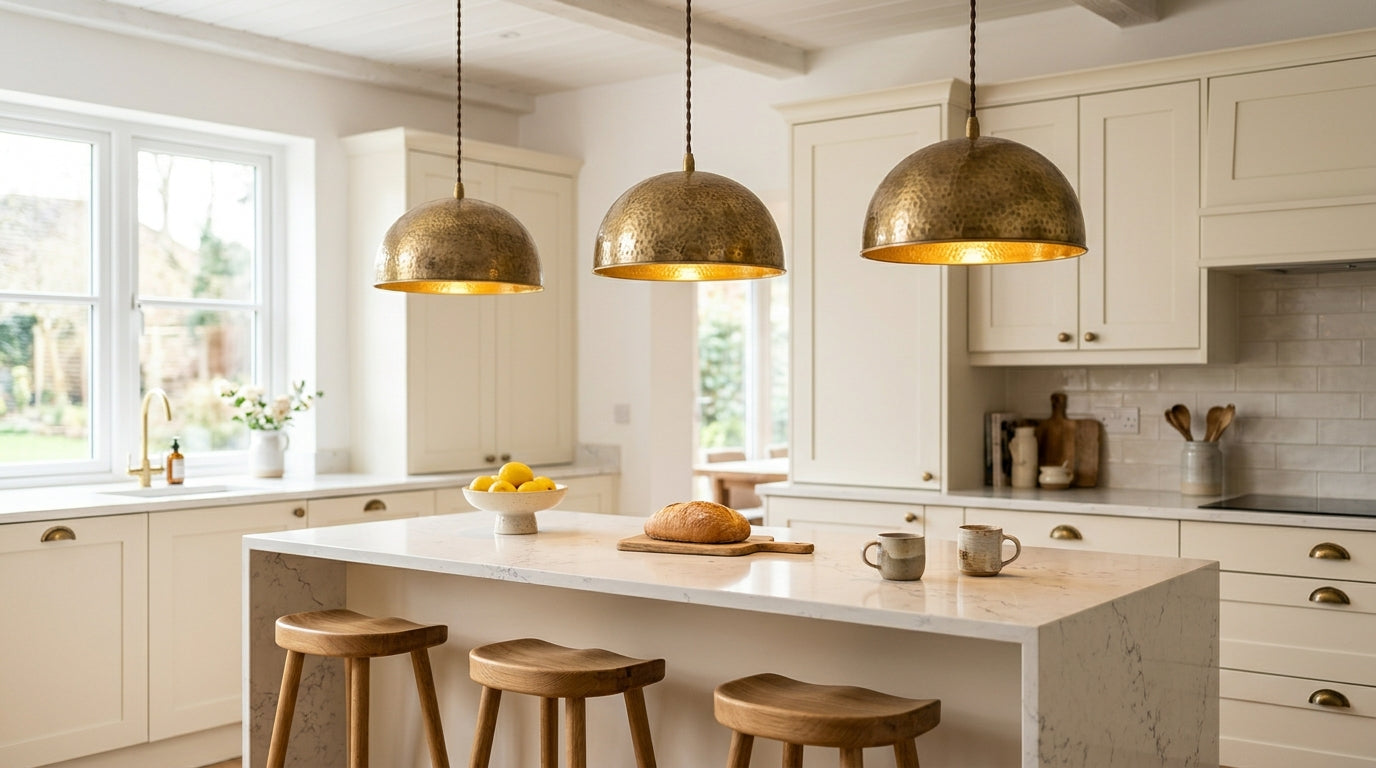
Look closely at a hammered brass surface. Each dent comes from a single strike of a metalworker’s hammer, and the marks vary in depth and spacing. A machine stamps the same dent again and again with perfect repetition, which looks flat and repetitive up close.
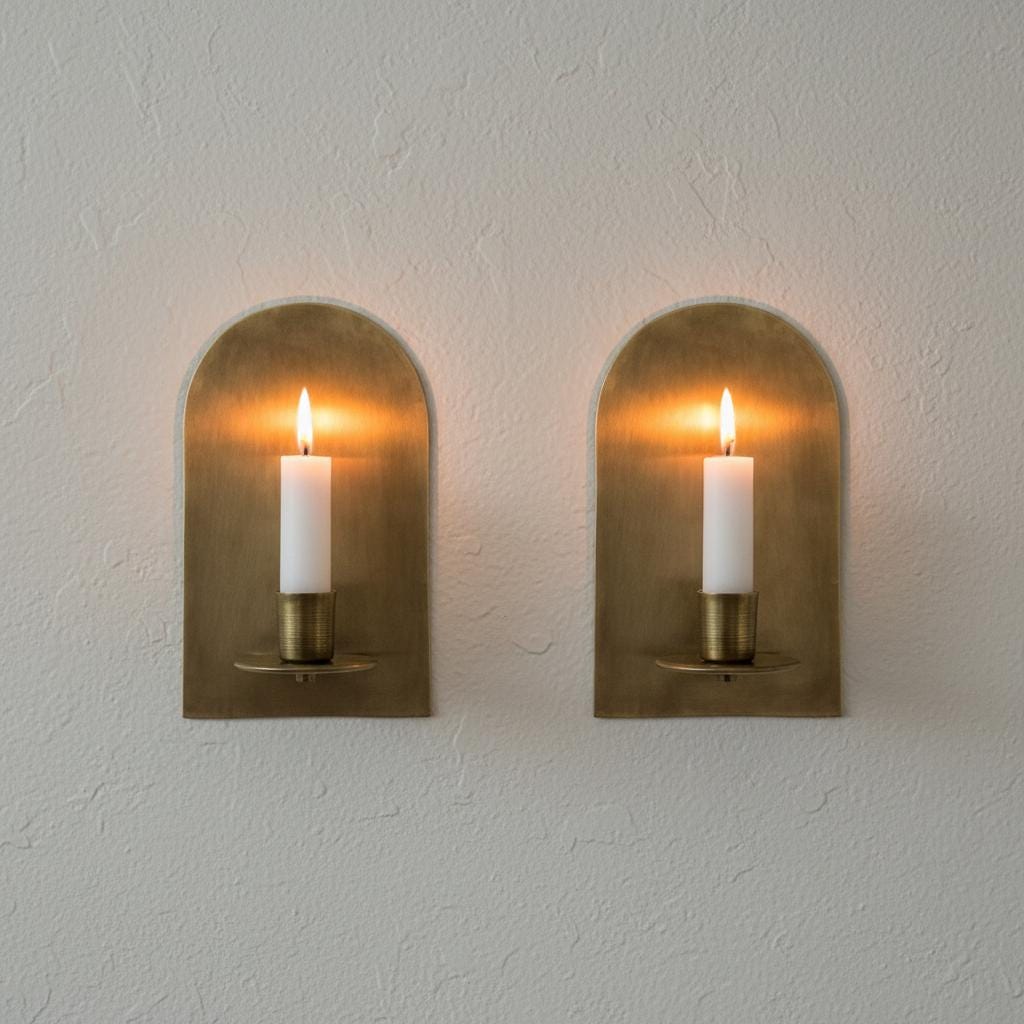
Check engraved or pierced patterns the same way. A hand-cut line wanders a tiny bit, and the depth shifts as the tool moves. Those subtle shifts add life. Two matching sconces from the same workshop will look alike but never identical, and that small difference proves a person made them.
Be careful with the word handmade. Some sellers use it loosely. Ask where the piece comes from, which workshop made it, and which steps involve hand tools. A good seller answers with confidence and detail. A vague answer deserves caution.
3. Clean Joins and Strong Construction
Beauty fades fast when a piece falls apart. Strong construction separates lasting craft from quick imitations, and you can test it in seconds.
Examine every join. On a brass lamp, look at the seams where the shade meets the base. Solid work shows smooth, even soldering or tight, hidden welds. Sloppy work shows blobs of solder, gaps, or rough edges.
On wooden furniture and carved doors, look for tight joinery. Craftspeople lock wood together with mortise-and-tenon joints or dovetails, so the piece stays firm without heavy glue or visible nails. Gently press on a table or chair. A solid piece does not wobble, creak, or flex.
On leather poufs and bags, look at the stitching. Even, tight stitches in strong thread signal care. Loose threads, crooked lines, and puckered seams signal rushed work. Check the seams where stress builds, such as the handle and the base.
Weight, balance, and stability all point the same direction. A well-made piece feels like it will outlast you.
4. Balanced, Precise Patterns
Moroccan design rests on geometry. Eight-pointed stars, interlocking lattices, arabesque curves, and floral filigree repeat across zellige tiles, carved plaster, and metal. These patterns follow strict mathematical rules, and skilled artisans follow them by eye and by hand.
Step back and study the overall design. Lines should meet cleanly, shapes should repeat at even intervals, and the composition should feel balanced. On a pierced lamp, the cutouts should align and hold the same spacing around the whole shade. On a carved door, the panels should mirror each other or flow in a clear rhythm.
Now lean in. Check the details. Tile edges in a zellige piece should sit tight with narrow, regular gaps. Hand-cut zellige tiles vary slightly in color and thickness, which gives the surface a glowing, watery look, but they still fit together cleanly. Crooked or chipped tiles suggest poor quality.
Expert work shows both freedom and discipline. The pattern follows precise rules, and the human touch adds soul. A beautifully carved Moroccan carved door shows this balance well, because every curve and star has to line up across a large, flat surface.
5. Smooth Finishing and Thoughtful Details
Finishing separates good pieces from great ones. Artisans spend hours on the final steps because buyers touch, see, and live with those details every day.
Run your fingers over the surface. Edges should feel smooth, with no sharp burrs on metal, no splinters on wood, and no rough patches on leather. Corners should round off with care. A fixture or piece of furniture that feels good in your hand shows respect for the user.
Look at the color and finish next. A brass piece with a patina should show an even, intentional tone. Uneven blotches, flaking coating, or cloudy spots signal cheap treatment. Natural dyes on leather and wool should look rich and deep, not flat and chemical. Paint on a carved wood piece should sit cleanly inside the lines.
Do not forget the hidden parts. Look at the underside of a table, the inside of a lamp shade, and the back of a mirror frame. Craftspeople finish those areas with the same care, while shortcuts hide there in cheap goods. Check the hardware as well. Hinges, screws, wiring, and fittings should feel solid and fit well. A beautiful lamp with a flimsy cord and a loose socket will disappoint you in a month.
Quick Buying Tips
Ask questions. Reputable sellers tell you who made the piece, what materials it uses, and how long it took. Read product descriptions for specific details, not just vague praise. Request extra photos of the joins, the underside, and the finish. Compare prices honestly too. A genuine solid brass, hand-hammered piece costs more than a stamped imitation, and a price that looks too low usually reflects lower quality.
Think about care as well. Quality pieces age gracefully with simple upkeep, such as a soft cloth for brass and a light conditioner for leather. Cheap pieces just wear out.
Final Thoughts
Expert craftsmanship leaves clues. Solid materials, visible handwork, strong construction, precise patterns, and careful finishing all tell the same story. Learn those five signs, and you can spot the real thing in a market, a shop, or a photo online. Buy fewer pieces, choose better ones, and your home will carry real character for decades.
FAQs
How can you tell if Moroccan decor is authentic?
Check the materials, weight, and construction. Authentic pieces show slight handmade variation, strong joins, and quality finishing. Ask the seller about the workshop and the process.
What is the difference between handmade and machine-made Moroccan decor?
Handmade pieces show small variations in texture, pattern, and shape. Machine-made pieces look perfectly uniform, and they often use thinner materials.
Is Moroccan brass decor solid brass?
Quality pieces use solid brass, which feels heavy and does not attract a magnet. Some cheaper items use plated metal, so test the weight and ask the seller.
Why is handcrafted Moroccan decor expensive?
Each piece takes hours of skilled labor, from cutting and hammering to carving and finishing. Quality materials add to the cost, and the result lasts far longer than mass-produced goods.
What is Moroccan zellige tile?
Zellige is hand-cut, glazed terracotta tile from cities such as Fez. Artisans chisel each small piece by hand and fit them into geometric mosaics.