Cart
0
Unlacquered Brass: How It Ages and How to Care for It
Unlacquered brass changes. That is the whole point. Bare metal reacts with air, moisture and the oils on your skin, and the surface shifts from bright gold to amber to deep brown. Some people love that shift. Others panic at the first dark spot. This guide explains what happens, how fast it happens, and what to do about it.
What Is Unlacquered Brass?
Brass is an alloy of copper and zinc. Most decorative brass holds roughly 60 to 70 percent copper and 30 to 40 percent zinc. Copper drives both the color and the aging.
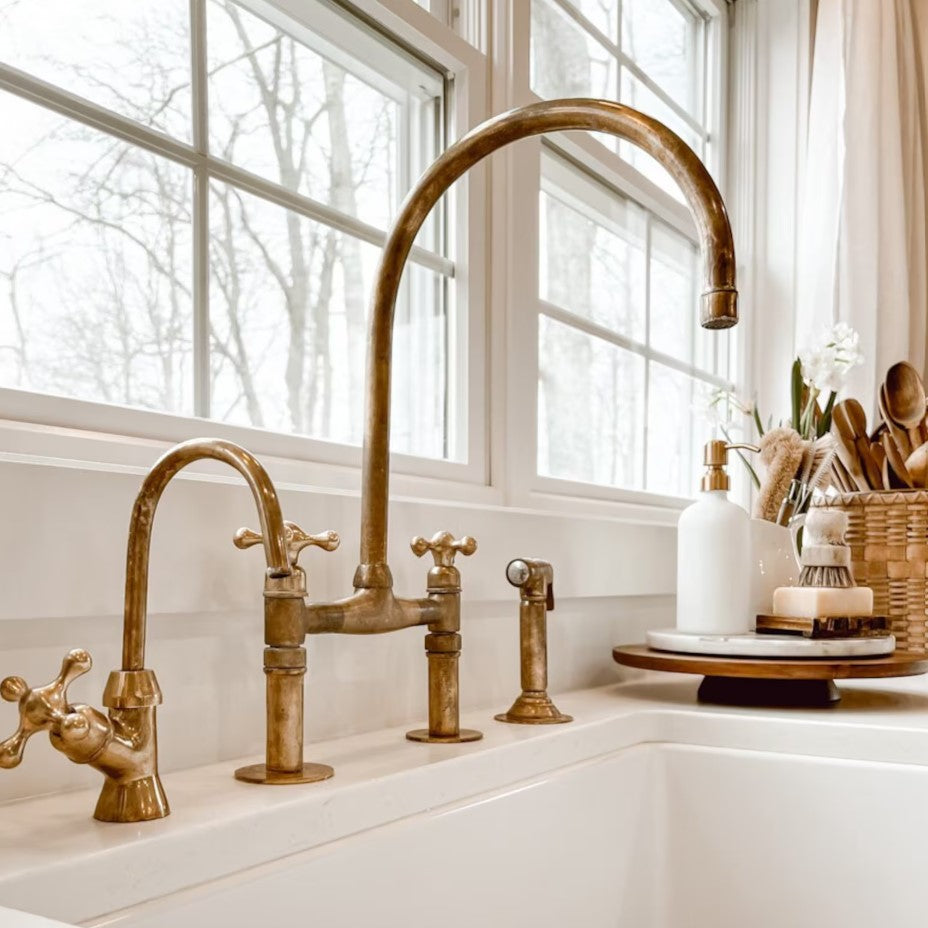
Manufacturers coat lacquered brass with a clear layer that blocks air. Unlacquered brass skips that layer, so the bare metal reacts with everything around it. Designers call this a living finish, because no two pieces age the same way.
How Unlacquered Brass Ages
Copper reacts with oxygen and forms a thin oxide layer on the surface. That layer is the patina. It shields the metal underneath, so the change slows as the layer builds.
Most pieces follow a similar path, though your home sets the pace. In the first few weeks, the factory shine softens, and fingerprints and dull spots appear. Between months 1 and 6, gold turns to amber and then to a warm brown, with high-touch areas darkening first. Between months 6 and 12, the patina settles into a richer, more even tone. From year 2 onward, the color keeps deepening, just far more slowly.
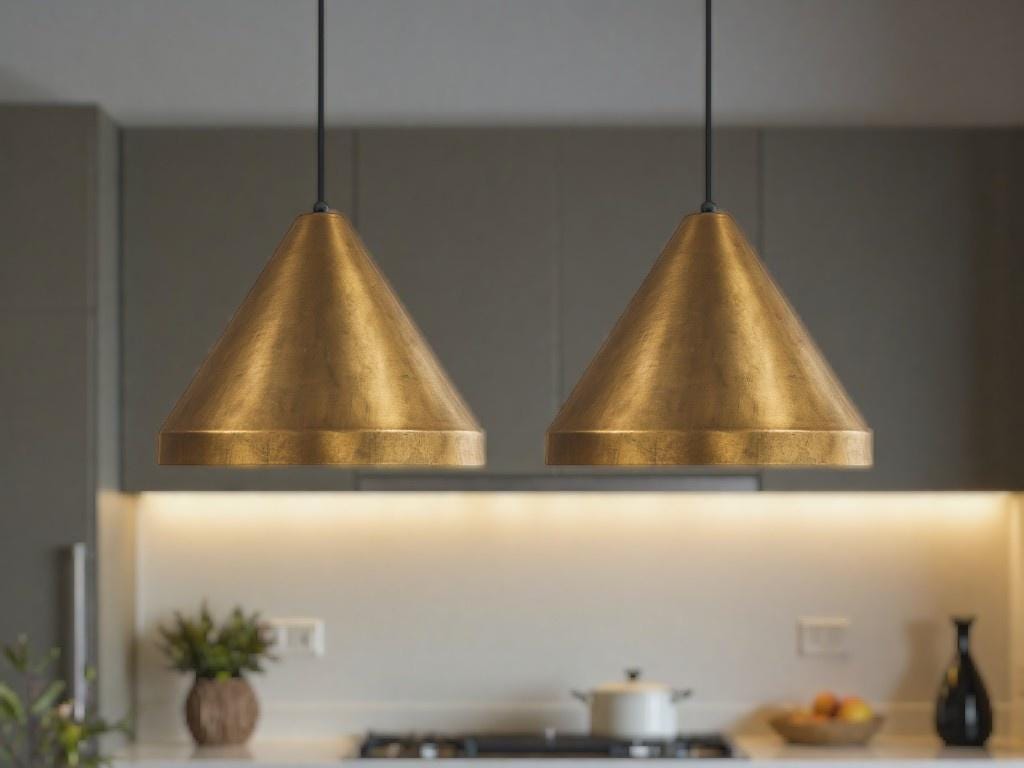
Humid rooms and salty coastal air can add a green-blue tint. That tint is verdigris, a natural copper compound. It looks dramatic on a doorknob and less welcome on a kitchen pendant, so wipe it off early.
What Speeds Up or Slows Down the Patina
Five factors set the pace. Humidity comes first, since bathrooms and kitchens age brass faster than bedrooms. Handling matters next, because skin oils and salt darken door pulls and faucet handles quickly. Acids such as lemon juice, vinegar and tomato splashes leave marks that show. Heat speeds the change, so a pendant above a stove darkens sooner than one in a hallway. Salt air works fastest of all, and coastal homes see the greenest change.
Out of reach and out of steam? The finish ages slowly. Within reach and in the splash zone? It ages fast.
How to Care for Unlacquered Brass
Weekly care
Wipe the surface with a soft, dry cloth. Use warm water and a drop of mild dish soap for grease or fingerprints. Dry the piece right away, because standing water leaves spots. Simple.
Deep cleaning
A household paste handles stronger buildup. Mix equal parts salt and flour, then add white vinegar until the mixture thickens into a paste. Baking soda with a little lemon juice works too. Rub the paste on with a soft cloth and follow the grain of the metal. Rinse with warm water, then dry the piece and buff it with a clean cloth.
Test any cleaner on a hidden spot first. A commercial brass polish also works and saves time on larger pieces.
Wax for slower aging
Apply a thin coat of microcrystalline or carnauba wax after cleaning. Wax adds a barrier against moisture and skin oils, so the patina builds more slowly and more evenly. Reapply it every few months on high-touch pieces.
What to avoid
Skip steel wool and abrasive pads, because they scratch the surface. Keep ammonia-based cleaners and bleach away from the metal, since both damage it. Never soak a piece, because water leaves marks and uneven color.
How to Restore the Bright Look
Polish brass with a quality brass cleaner and it returns to bright gold within minutes. The catch: the patina starts again right away. Many owners polish once, enjoy the shine, then let nature take over.
Prefer a middle path? Clean only the heavy grime and leave the soft brown tone. That look suits antique and traditional kitchens.
Who Should Choose Unlacquered Brass?
Pick unlacquered brass if you enjoy an evolving finish and a small amount of upkeep. It suits farmhouse, vintage and Moroccan-inspired interiors, where warm, worn metal feels right at home.
Go with lacquered brass if you want the same color on day 1,000 as on day 1. Lacquer needs gentler cleaning, and it can chip or flake on older pieces, so check the coating before you buy.
Handmade fixtures carry small hammer marks that take patina in their own way. Browse handmade brass pieces to see how shape and finish work together.
Final Thoughts
Unlacquered brass rewards patience. Expect visible change in weeks, a settled tone in about a year, and a finish that keeps its character for decades. Wipe it weekly, wax it a few times a year, and polish only when you miss the shine.