Cart
0

There is a quiet magic in Moroccan brass finishes. Hand-hammered surfaces, softened by years of touch, reveal a warm sheen that flatters limewashed walls and zellige tile. Whether you’re restoring a riad-inspired bathroom or layering light in a Mediterranean living room, understanding how brass is finished—and how it ages—will help you choose, care for, and style pieces that become heirlooms.
Table of Contents
- What Makes Moroccan Brass Special
- Types of Moroccan Brass Finishes
- How Patina Develops Over Time
- Caring for Unlacquered and Lacquered Brass
- Styling Moroccan Brass in Mediterranean Interiors
- Choosing the Right Brass for Kitchens and Baths
- Craftsmanship: From Workshop to Home
- Shopping Checklist: Selecting True Heirloom Brass
- FAQ
- Conclusion
What Makes Moroccan Brass Special
Moroccan brasswork sits at the intersection of art and utility. In workshops from Marrakech to Fes, artisans coax light out of metal using time-honored techniques: hand-hammering (martelage) to densify the surface, repoussé to create low relief, and piercing (jfil) to scatter delicate patterns of light. The result is not a uniform factory finish but a living surface with micro-variations that catch the eye like sun on water.
Two qualities define fine Moroccan brass finishes. First, the alloy itself—traditionally a rich, high-copper brass that ages to a deep, honeyed tone. Second, the hand-applied finish, which can range from mirror-polished to gently antiqued. When paired with tadelakt plaster, terracotta floors, and linen, these finishes echo the Mediterranean’s informal elegance: sun-washed, tactile, and quietly luxurious.
Types of Moroccan Brass Finishes
While each atelier has its secrets, you’ll typically encounter these finish families when selecting lighting and hardware.
1) Polished Brass
A high-gloss, mirror-like sheen achieved through multi-stage buffing. It reflects light generously and feels glamorous against pale plaster and marble. In Mediterranean settings, polished brass adds a glimmering counterpoint to matte textures like travertine and rustic oak. Expect fine hairlines from hand polishing—proof of the human hand at work.
2) Satin or Brushed Brass
A softly luminous finish with linear brush marks that diffuse reflections. Satin brass is versatile: it anchors contemporary Mediterranean spaces without reading too shiny, and it pairs beautifully with chalky whites, sand tones, and inky blues. The brushed texture also disguises light fingerprints better than a full polish.
3) Antiqued Brass
An aged effect created by controlled oxidation and selective burnishing to emulate timeworn depth. Antiqued brass harmonizes with hand-formed zellige and patinated beams, lending a sense of history from day one. Because the surface has tonal complexity, it’s forgiving in busy households and a favorite for statement pieces.
4) Tumbled or Matte Brass
Softened edges and a granular sheen produced by tumbling components with abrasives. The result is understated and modern, ideal for minimalist Mediterranean interiors. Tumbled finishes play well with limewash and microcement where the mood is relaxed and elemental.
5) Unlacquered vs. Lacquered
Many Moroccan brass finishes are offered either unlacquered (living) or lacquered (sealed). Unlacquered brass forms a natural patina that evolves with touch, moisture, and air—revered by purists. Lacquered brass freezes the look on day one, reducing maintenance but sacrificing the tactile aging that collectors love. Your choice depends on how you feel about the poetry of time.
How Patina Develops Over Time
Patina is a romantic word for a practical reality: brass reacts with air, oils, and water. Understanding the phases can help you embrace the process.
- Weeks 1–4: A warmening glow. Unlacquered brass shifts from bright to honey as minute oxidation begins. Touchpoints (handles, taps) grow subtly deeper first.
- Months 2–6: Gentle variegation. High-contact zones develop rich golden-brown notes; protected areas remain lighter. On pierced and hammered surfaces, highlights and lows become more pronounced.
- Six months and beyond: Settled character. Tones even out; routine care maintains a soft sheen without stripping personality. In bathrooms and coastal homes, patina may develop faster due to humidity and minerals.
If you adore the evolving story of a living finish, choose unlacquered. If you prefer visual consistency, select a lacquered or pre-antiqued look. Both are beautiful; each tells a different tale.
Caring for Unlacquered and Lacquered Brass
Care is simple when done routinely and gently. A light hand preserves the artisan finish you fell in love with.
Daily and Weekly Care
- Wipe with a soft, dry cloth as needed; for smudges, use lukewarm water and a drop of mild soap.
- Immediately dry to prevent water spots—especially in kitchens and baths with hard water.
- Avoid abrasive pads, harsh chemicals, bleach, and ammonia; they can mar finishes and accelerate uneven tarnish.
Monthly Nourish (Unlacquered Brass)
- Apply a whisper-thin layer of microcrystalline wax or beeswax. Buff gently after a few minutes. This soft barrier slows spotting without sealing the metal’s life.
- To brighten selectively, use a non-acidic brass cleaner sparingly on targeted areas, then blend with a soft cloth so highlights and lows remain natural.
Addressing Spots and Stains
- Water spots: Dampen a cloth with distilled water, blot, dry, then buff. Persistent spots may need a touch of mild soap and immediate drying.
- Mineral deposits: Lay a cloth dampened with a 50/50 distilled water and white vinegar solution on the area for 1–2 minutes (avoid seams and joints), rinse, then dry. Do not scrub; and do not use vinegar on lacquered brass.
- Lacquer damage: If a lacquered surface chips, keep the area dry and consult a finisher. DIY polishes can undercut adjacent lacquer and create halos.
Styling Moroccan Brass in Mediterranean Interiors
Moroccan brass finishes thrive where materials are honest and light is celebrated. Lean into texture, shadow, and sun-washed color to let your pieces breathe.
Living Rooms: Layered Glow
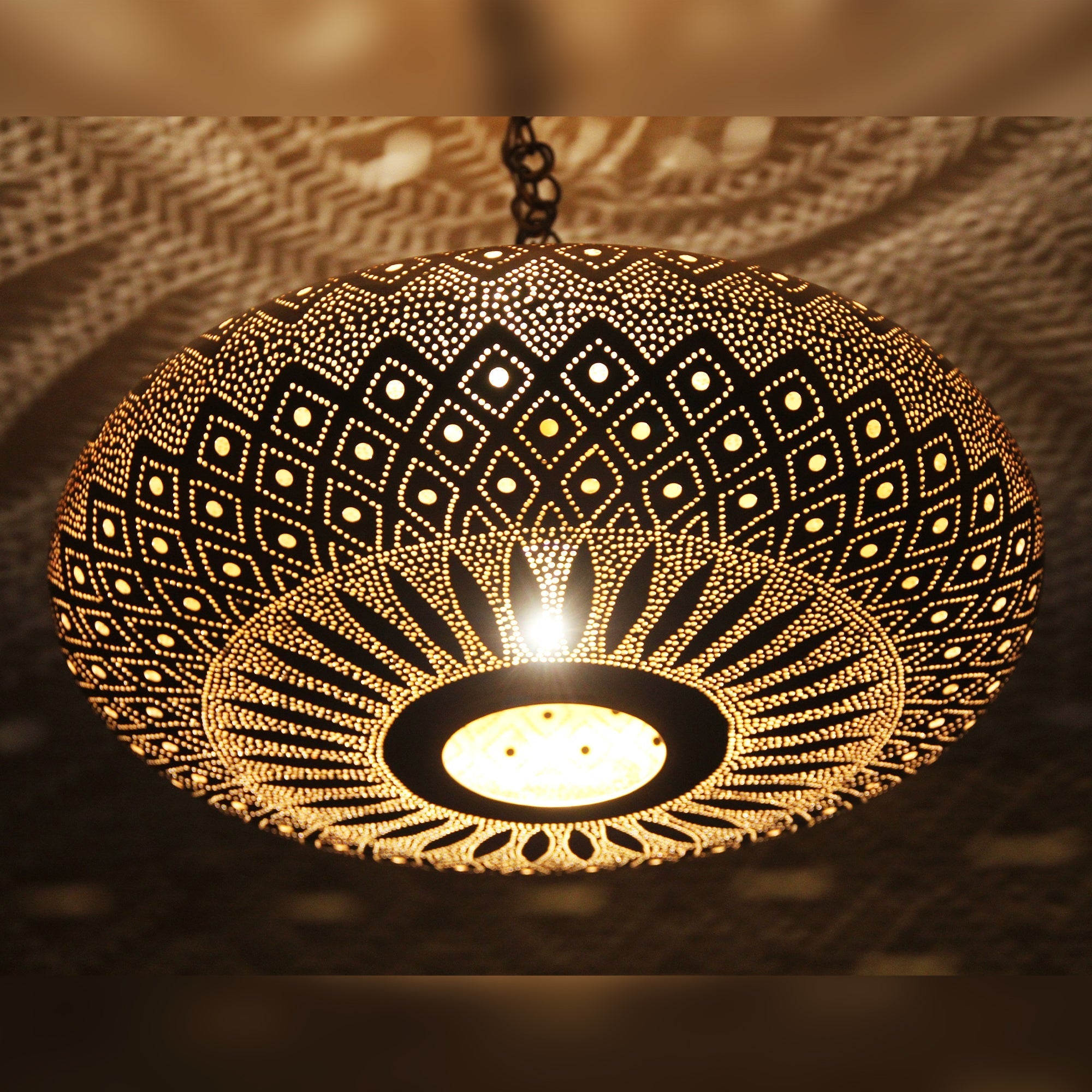
Begin with a warm ambient source, then add intimate pools of light. Hand-pierced pendants send filigree patterns across limewashed ceilings—romantic on long Mediterranean evenings. For overhead statements, explore hand-pierced ceiling lights in solid brass that scatter dappled light while anchoring the room with sculptural presence.
Balance sparkle with softness: linen slipcovers, a Berber rug, and a palmwood console give brass room to sing. A pair of arched sconces can flank a niche or fireplace; consider arched brass wall sconces with artisan hammering to echo the rhythm of carved plaster and arched openings.
Dining: Candlelit Ritual
Few things flatter brass like open flame. Set a long plank table with stoneware and flax linen, then crown it with a pierced lantern pendant or a trio of low lamps. For evenings that unfold slowly, cluster tapered candle holders in antiqued brass down the center; the gentle patina pairs beautifully with terracotta and olive-green glass.
Bedroom: Quiet Radiance
In a restful suite, aim for a low-gloss finish—satin or tumbled brass—so the light feels velvety. Layer a wall sconce over linen drapery to create sculptural silhouettes at dusk. For a small desk or bedside vignette, a brass table lamp provides focus while keeping the palette warm and textural.
Entry: First Impressions
Set a tone of relaxed elegance. A compact ceiling lantern casts patterned shadows that dance across plaster, while a single statement sconce highlights a carved mirror. A shallow brass tray for keys and olive branches completes the welcome with understated shine.
Choosing the Right Brass for Kitchens and Baths
Water, minerals, and soaps ask more of finishes in these hardworking rooms. Choose thoughtfully, then care lightly.
Kitchen Sinks and Taps
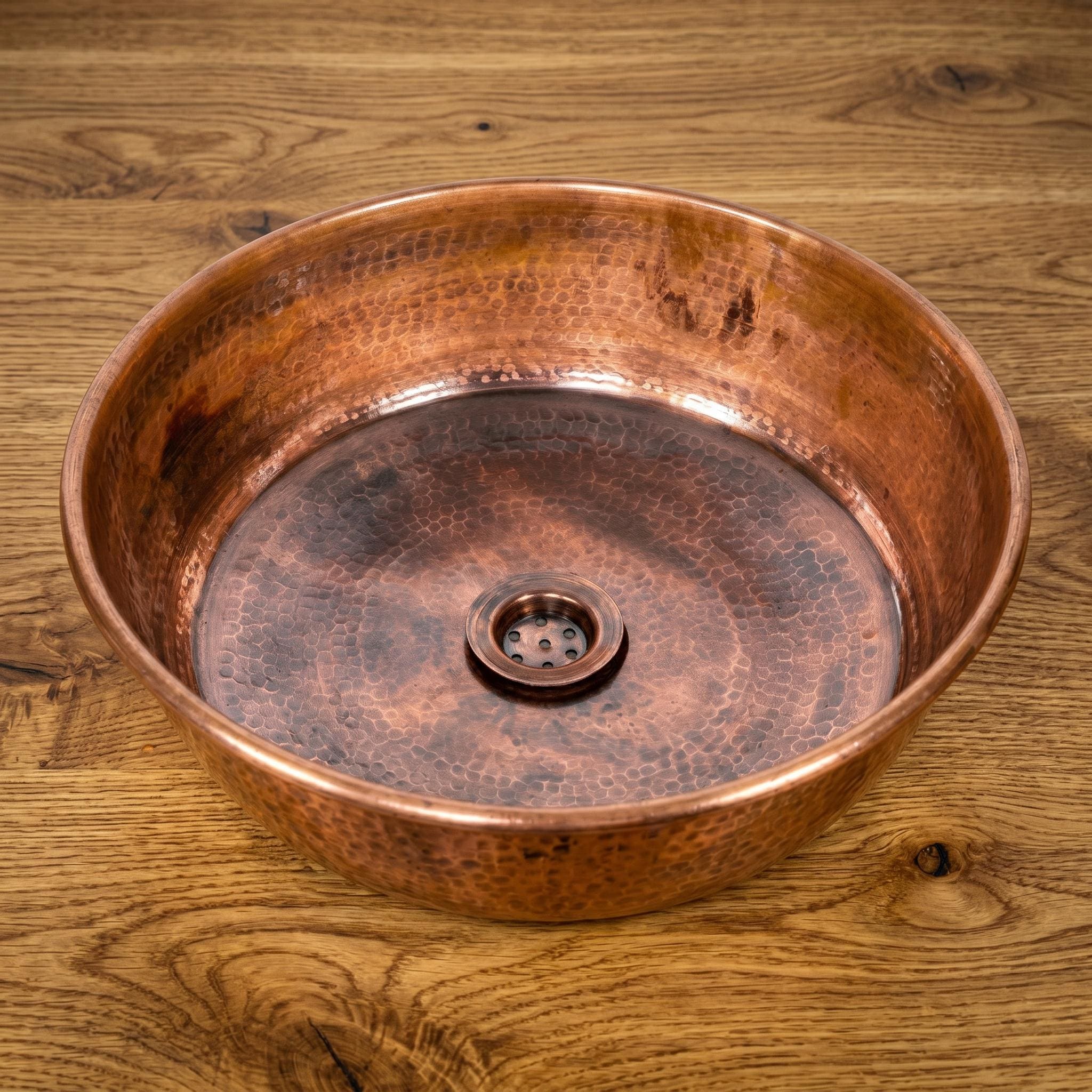
Brass in the kitchen should be both resilient and beautiful. If you love living metals, opt for unlacquered taps and a hand-formed basin. Gentle daily drying keeps patina refined rather than blotchy. To explore durable statement pieces, consider sculptural brass sinks crafted by Moroccan artisans that develop a rich tone as they age.
Bathrooms: Steam and Serenity
Humidity accelerates patina, which can be gorgeous when controlled. In a tadelakt-and-zellige bath, mix satin brass with stone and cedar for a spa-like calm. Choose solid-brass valves and showerheads for longevity; the weight and balance feel unmistakably luxurious. For coordinated metals that will stand up to daily ritual, explore solid-brass shower fixtures and systems with finishes designed to age gracefully.
Lighting in Wet Spaces
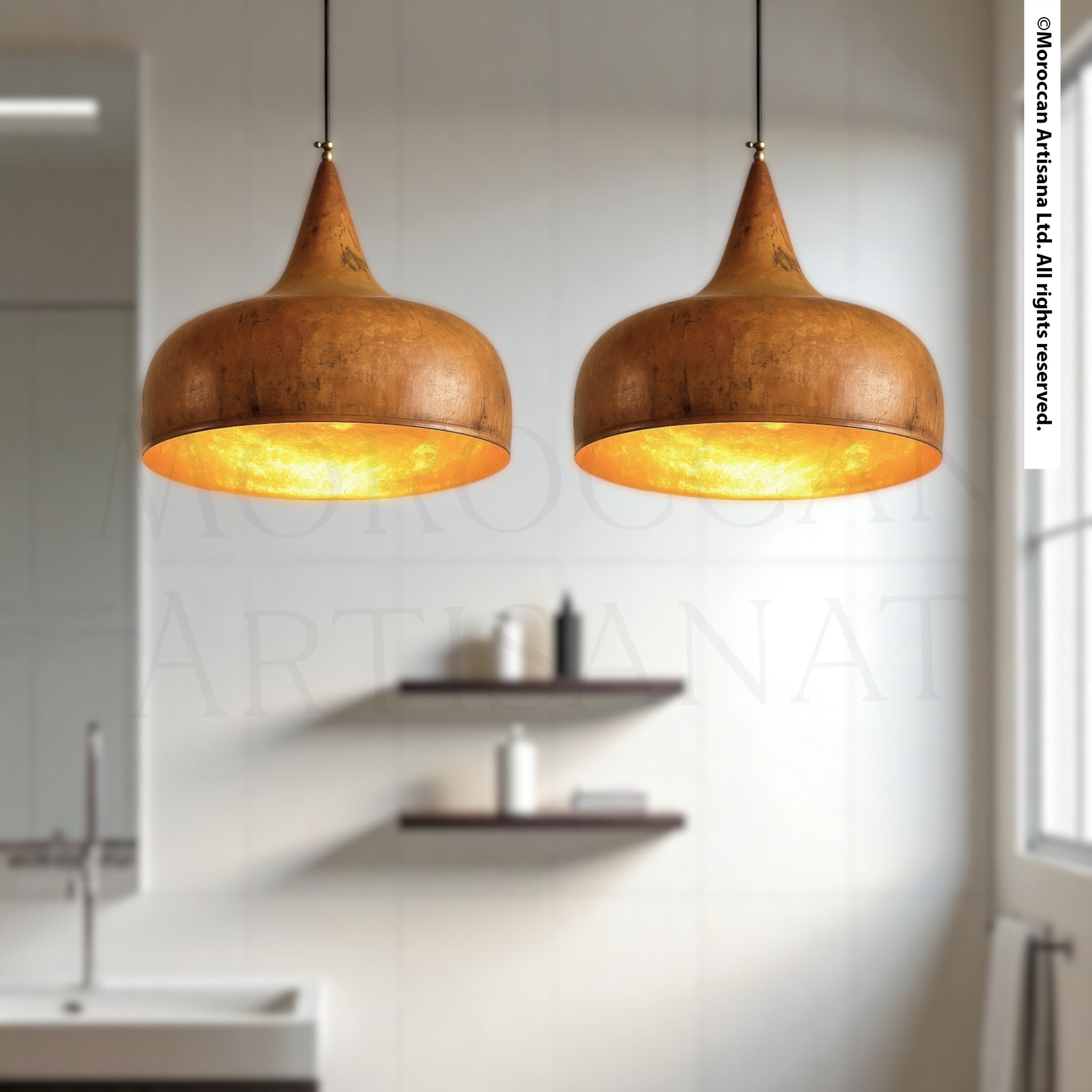
When installing brass lighting in bathrooms, confirm damp or wet ratings as appropriate and allow air circulation to limit condensation. A small pendant near a vanity offers flattering downward glow; a pair of brass sconces at cheek height delivers elegant, shadow-free illumination.
Craftsmanship: From Workshop to Home
Behind each piece is a lineage of skill. Brass sheets are cut and annealed, then shaped over stakes with rhythmic hammering—thousands of strikes that harden and refine the surface. Motifs are chased by hand or pierced with micro-drills, turning metal into lace. Finally, the chosen finish is built in layers: sanding, brushing, antiquing bath, or mirror polish, followed by hand burnishing to bring selective highlights to life.
This intimacy with material is why Moroccan brass finishes feel soulful. You can sense where the artisan paused, where light catches a brushed stroke, where a tiny variation in hammering breaks the symmetry. In a world of machine sameness, these nuances are the luxury.
Shopping Checklist: Selecting True Heirloom Brass
- Material: Confirm solid brass, not plated base metals. Weight is a tell—heirloom pieces feel substantial.
- Finish clarity: Ask which finish is applied (polished, satin, antiqued) and whether it is lacquered or unlacquered.
- Handwork cues: Look for subtle irregularities in hammering and piercework—signs of human craft, not flaws.
- Joinery and threading: For fixtures, inspect internal parts. Quality valves, precise threading, and robust wall plates matter long-term.
- Care guidance: Reputable makers provide simple, product-specific maintenance instructions.
- Design harmony: Choose forms that echo your architecture—arched cutouts for Moorish lines, clean cones for modern Mediterranean.
Harmonizing Finishes Without Overmatching
In layered Mediterranean homes, brass should converse with other metals, not drown them out. Mix thoughtfully:
- Temperature: Pair warm brass with blackened iron or weathered nickel for depth; avoid combining two yellows of similar intensity.
- Gloss: Balance high-polish accents with matte or satin neighbors for dimension.
- Proportion: Give brass the lead in one or two categories—lighting and hardware, for example—then support with restrained secondary metals.
Lighting as Sculpture: From Ceiling to Wall
Consider light a material. Pierced brass pendants turn ceilings into canvases, while solid shades focus beams like sun through shutters. To anchor a room with a statement, explore our selection of ceiling lights in artisanal brass—each piece finished by hand for a luminous, living surface. On vertical planes, a sconce acts like jewelry for the wall; discover silhouettes and finishes within our brass wall sconces collection that cast layered, flattering light for hallways, entries, and intimate corners.
Creating Atmosphere at the Table
Evenings around a Mediterranean table stretch happily into the night. Candlelight brings brass to life, emphasizing finish and form. Sculptural taper stands in varying heights add rhythm to charcuterie boards and ceramic platters. For gatherings that glow, curate a small family of artisan-made brass candle holders—their patina deepens with every celebration.
Case Study: A Seaside Powder Room
A petite powder room overlooking the coast offers a lesson in restraint. Walls in ivory tadelakt, a hand-chiseled travertine pedestal sink, and a single unlacquered brass tap. The finish begins bright, then softens with sea air to a gentle caramel tone. A small dome sconce in satin brass mirrors the curve of the archway, and a narrow niche holds a brass candlestick for twilight visits. Nothing shouts; everything shimmers.
Seasonal Care and Climate Considerations
Homes near the sea or with high humidity will see faster patina development. That can be beautiful—just increase the frequency of gentle drying in baths and kitchens. In colder months with indoor heating, dust can settle more quickly on textured finishes; a weekly buff with a clean, soft cloth keeps the glow consistent.
When to Choose Lacquered Brass
There are moments when locking in a look is wise: high-traffic hospitality spaces, rental properties, or households that prefer minimal upkeep. A clear, quality lacquer preserves the maker’s finish, though it also reduces the sensory touch of living brass. Consider lacquer for polished pieces in children’s baths or for fixtures exposed to products like hair dye or strong cleansers.
When to Let Brass Live
In serene homes where ritual is valued—slow breakfasts, evening baths by candlelight—unlacquered brass tells a family’s story. The handle you reach for most becomes warm and rich; a less-touched corner stays pale. This map of use feels intimate, and it suits Mediterranean rooms where imperfection is celebrated as character.
Pairing Brass With Color and Material
- Limewash and Tadelakt: Brass brings sunlit warmth to mineral, matte walls. Satin and antiqued finishes excel here.
- Zellige and Terracotta: The lively surface of handmade tile loves the glow of polished or antiqued brass; reflections dance across the glaze.
- Stone and Wood: Travertine, Carrara, or bleached oak gain dimension with brushed brass—neither steals the scene.
- Textiles: Linen, wool, and raffia calm shiny metals; add brass accents to lift these plush, earthy textures.
Brass Beyond the Obvious
Beyond taps and pendants, consider small gestures that finish a room without fanfare: a row of hand-cast hooks for linen towels, a petite tray on the vanity, or a narrow uplight that grazes a stone wall. Thoughtful details bring coherence and underscore craftsmanship at human scale.
FAQ
Will Moroccan brass finishes turn green?
On interior pieces, normal patina trends toward golden-brown. Green verdigris typically forms with prolonged moisture or corrosive exposure. Good ventilation and routine drying prevent it. If you notice green at a joint, clean gently and dry thoroughly.
How do I keep unlacquered brass from spotting in the bathroom?
After use, blot water with a soft cloth and dry immediately. A very light coat of microcrystalline wax every month or two adds protection while keeping the finish breathable.
Can I mix Moroccan brass with chrome or nickel?
Yes—contrast is elegant when intentional. Keep one metal dominant (often brass) and use the other for function (e.g., polished nickel shower drain). Vary gloss levels to avoid a matchy, showroom look.
What’s the difference between antiqued and unlacquered brass?
Antiqued brass is intentionally aged at the workshop for depth and contrast from day one. Unlacquered brass begins brighter and develops natural patina with time and touch. Both can be maintained to look refined rather than neglected.
Do brass sinks require special care?
Treat them like a beloved copper pan: rinse after use, wipe dry, avoid harsh chemicals, and wax lightly as desired. Over time, the basin will take on a smooth, lustrous tone. For heirloom-quality basins, explore our collection of artisan-made brass sinks.
Which brass finish is best for coastal homes?
Satin or antiqued finishes are forgiving in salty air and humidity. They develop graceful patina without an overly mirror-like effect. Ensure regular drying for fixtures and consider sealed pieces where maintenance must be minimal.
Conclusion
Moroccan brass finishes embody what makes Mediterranean interiors so beloved: warmth, material honesty, and light that feels alive. Whether you choose the constancy of lacquered polish or the evolving beauty of unlacquered patina, these artisan surfaces reward gentle care and thoughtful placement. Build your rooms around texture and glow, and let brass whisper rather than shout—sunlight will do the rest.
To curate a home that glows from dawn to candlelight, begin with luminous anchors overhead from our hand-finished brass ceiling lights, layer the walls with artisanal brass sconces, and set the table with a constellation of brass candle holders that gather friends and stories around their gentle gleam.