Cart
0
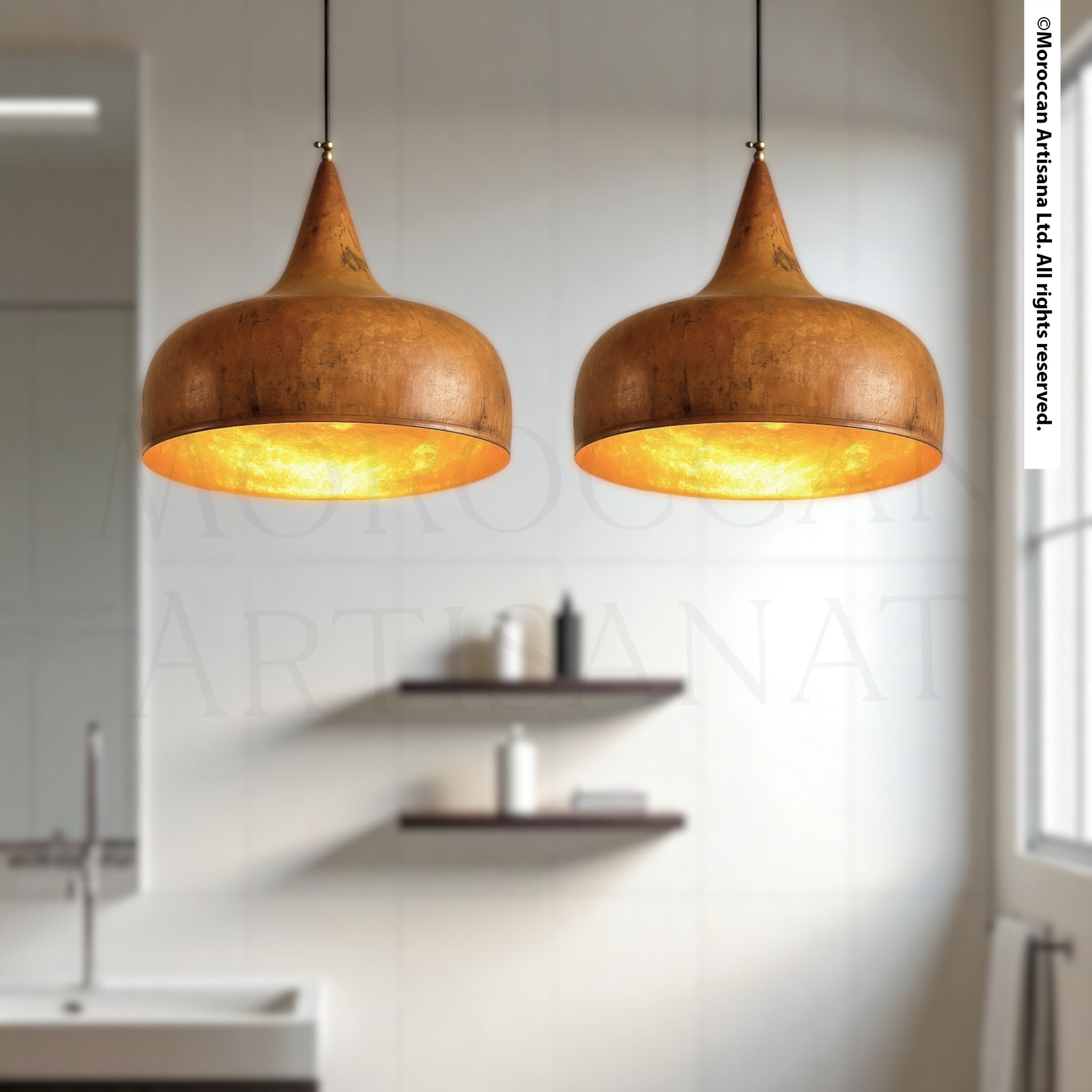
There is a quiet magic in Moroccan brass patina—the way it softens light, tells stories through touch, and matures into a noble glow that suits Mediterranean interiors with effortless grace. This guide explores the living finish designers adore, revealing how to select, style, and care for authentic Moroccan brass so it ages beautifully across lighting, bathrooms, and layered home decor.
Suggested featured image alt text: Moroccan brass patina pendant and sink in a Mediterranean bathroom
Table of Contents
- What Is Moroccan Brass Patina?
- Why Designers Choose Patina for Mediterranean Interiors
- Craft and Chemistry: How Patina Forms
- Planning a Home Around a Living Finish
- Bathroom Design with Moroccan Brass Patina
- Lighting Strategy: Layered Warmth with Patinated Brass
- Kitchen & Dining: From Islands to Tablescapes
- Styling, Color, and Material Pairings
- Caring for a Living Finish: Maintenance & Mindset
- Ethics & Provenance: Sourcing Moroccan Brass
- FAQ
- Conclusion
What Is Moroccan Brass Patina?
Moroccan brass patina is the natural, evolving surface on unlacquered or lightly protected brass crafted by Moroccan artisans. It forms as the alloy—primarily copper and zinc—interacts with air, moisture, and the oils of everyday life. Rather than staying a fixed showroom color, patinated brass deepens and mellows, shifting from luminous gold to rich honey, then to subtle tobacco and antique notes over time. It’s a living finish that rewards use and embraces character—the hallmark of old-world luxury.
In Morocco, patina is not a flaw to be polished away; it is the point. It reveals handwork, celebrates age, and harmonizes with tactile plasters, zellige tiles, carved wood, and woven textiles. Whether it appears on a pendant shade, a wall sconce, a faucet, or a sink, the patina becomes the quiet thread that unifies spaces with warmth.
Why Designers Choose Patina for Mediterranean Interiors
Designers turn to Moroccan brass patina because it rounds the edges of light and space. In Mediterranean-inspired homes, where limewashed walls, earthy stone, and sea-salt breezes dictate a relaxed elegance, patinated brass feels right at home. It is gentle rather than glossy, expressive rather than pristine, and inherently layered—just like the sun-faded villages along the coast.
- Softer ambiance: Patina diffuses glare and lends a candlelit quality to evening interiors.
- Timelessness: It sidesteps trends. Today’s newly installed piece will look even better five years from now.
- Material harmony: It plays well with limewash, tadelakt, linen, oak, and terracotta—materials integral to Mediterranean rooms.
- Honest luxury: The artisan’s hand remains visible. Each hammer mark, each subtle tone shift, adds narrative depth.
Craft and Chemistry: How Patina Forms
Patina is chemistry meeting craft. Brass is an alloy usually composed of roughly 60–70% copper with zinc and trace elements. Copper readily reacts with oxygen, forming oxides that darken the surface. In coastal or humid environments, salt and moisture accelerate change, while touch introduces natural oils that encourage mellow, uneven coloration—the beauty of an authentic, lived-in finish.
Hand-Hammering and Surface Energy
Moroccan metalwork often involves hand-hammering, chasing, and piercing. These techniques subtly change surface density and texture, which in turn affects how patina takes hold. Hammered areas may darken sooner; burnished edges stay brighter longer. This variation is ideal—micro-shifts in tone make the metal visually rich, even in low light.
Sealed vs. Unlacquered
Unlacquered brass is the classic choice for a true living finish. Light waxes or microcrystalline coatings can slow patination without freezing it. Lacquer, by contrast, attempts to lock in a snapshot of brightness but inevitably chips or clouds with time, requiring removal for authentic results. For Mediterranean projects, designers often favor unlacquered or waxed brass to embrace an organic evolution.
Planning a Home Around a Living Finish
Think of Moroccan brass patina as a color in your palette—an adaptable neutral with warmth. Then build a lighting and fixture plan that encourages patina to age gracefully across rooms.
Entryway
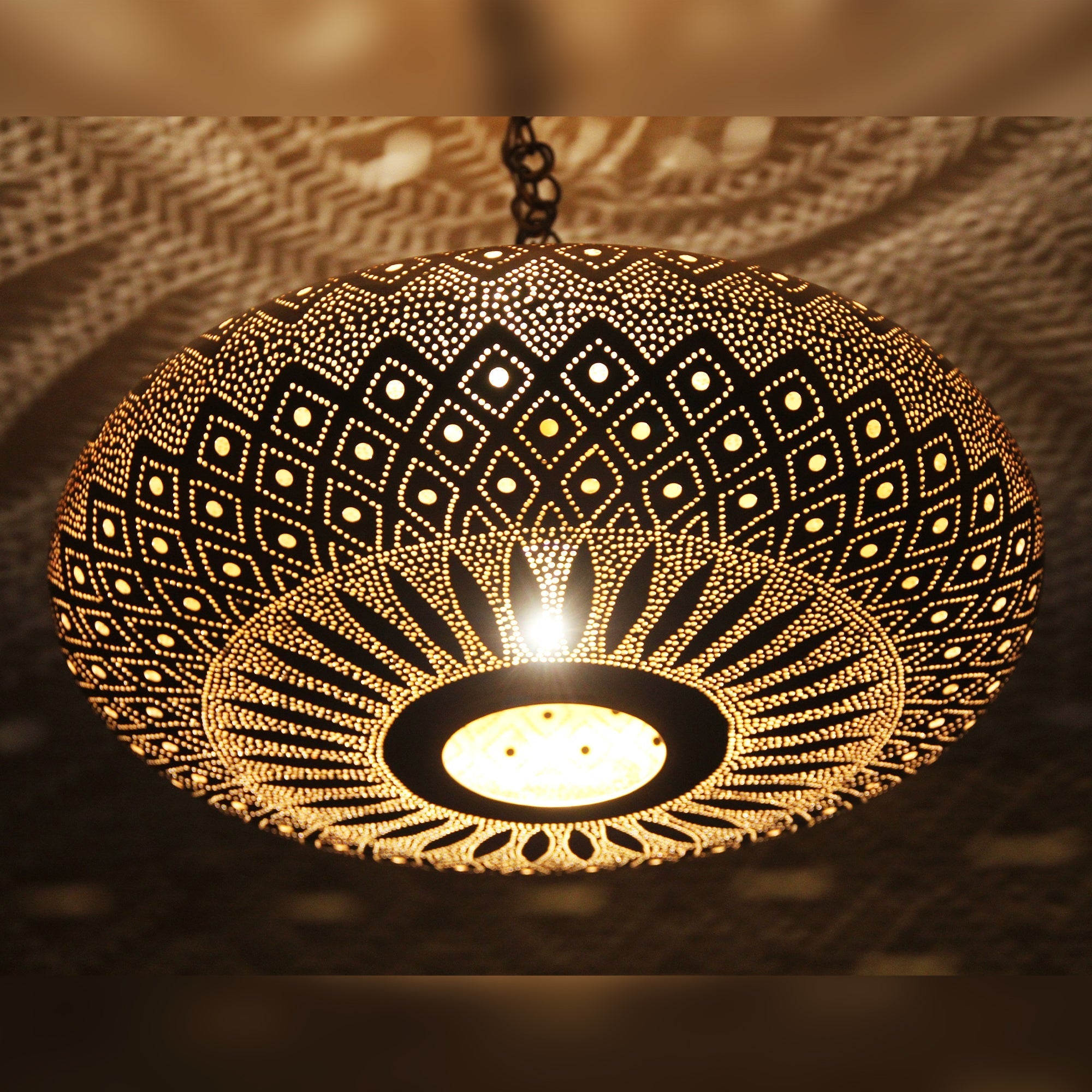
First impressions call for gentle radiance. Hand-pierced pendants or flush mounts cast lace-like shadows, setting a tone of artisan luxury from the start. For statement overhead pieces, explore our selection of hand-pierced brass ceiling lights that layer patterned light without harshness.
Living Room
In the evening, patinated brass feels especially welcoming. Balance a soft central glow with accents at eye level and below. Sculptural side lighting amplifies mood; a few considered pieces travel further than a ceiling full of cans. Elegantly scaled brass table lamps bring tactile warmth to reading corners and consoles.
Bedroom
Use patina for tranquility. Small sconces and table lamps with warm bulbs provide layers you can dim independently, while the subtle gold of aged brass flatters skin tones and evening rituals.
Bathroom Design with Moroccan Brass Patina
Bathrooms are where Moroccan brass patina shines—literally and figuratively. The combination of water, steam, and daily touch accelerates the finish into a soulful, spa-like character. To keep the look intentional, plan the fixtures and care routine with sensitivity.
Choose Fixtures That Welcome Change
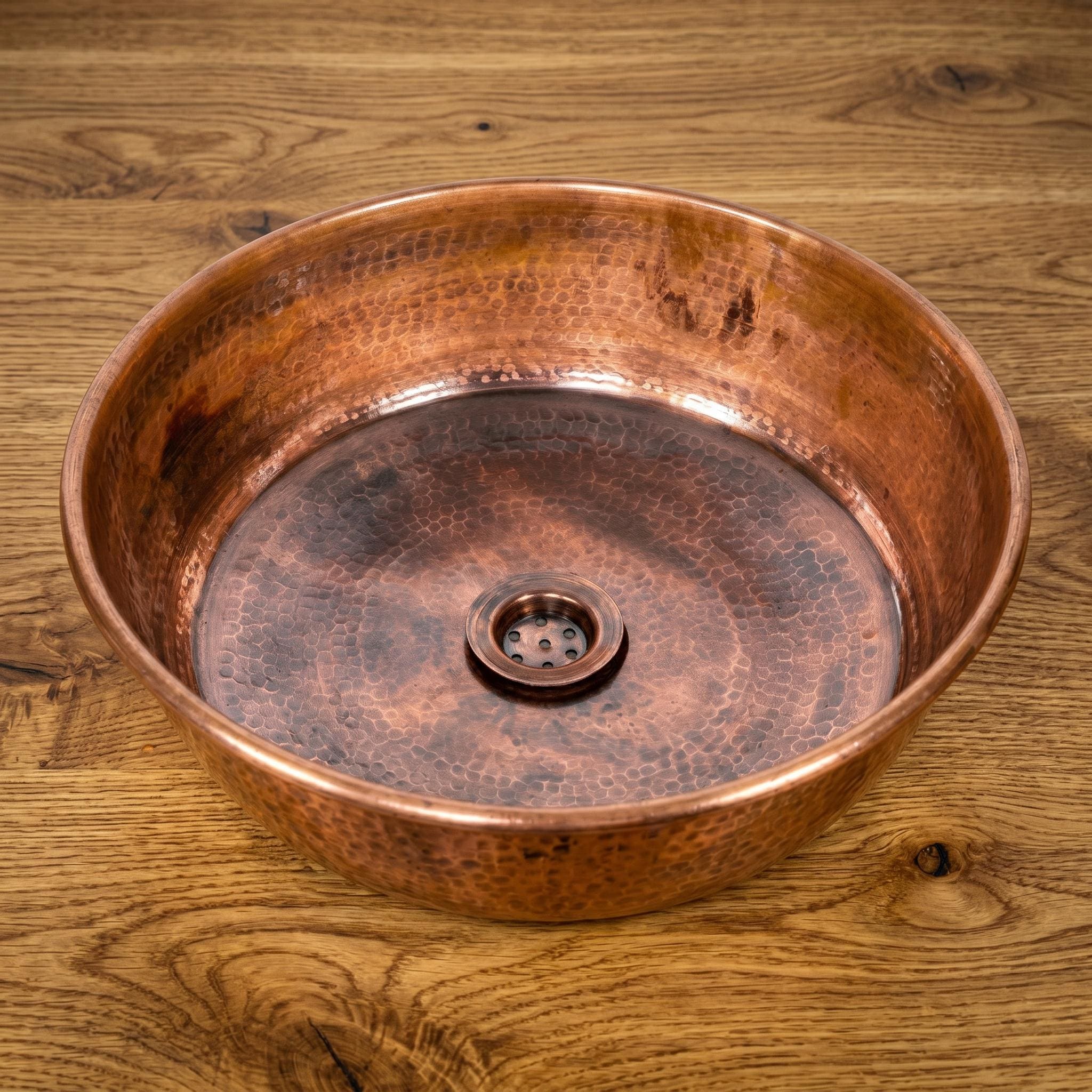
- Sink basins: A hand-hammered vessel pairs beautifully with tadelakt or stone. Consider our range of hand-hammered brass sinks to anchor your vanity with artisan presence.
- Faucets and valves: Opt for solid brass, unlacquered or waxed. They’ll darken at handles and spouts first, gaining a well-traveled look.
- Showers: To achieve a cohesive suite, match shower valves, heads, and trim. Explore our curated brass shower fixtures for coordinated patina across the entire space.
Patina and Practicality
Expect water marks, particularly in hard-water areas. Over time they soften and blend. If you prefer a gentler evolution, wipe fixtures after use with a soft towel and apply a thin wax coat every few months. Avoid acidic cleaners and abrasive pads; mild soap and warm water are perfect for routine care.
Lighting the Bath
In vanity areas, patinated brass frames the face with a flattering glow. Place sconces at eye height on both sides of the mirror for even light distribution. Explore solid brass wall sconces that bring warmth to morning routines and candlelit evening unwinds alike.
Lighting Strategy: Layered Warmth with Patinated Brass
Great Mediterranean rooms glow rather than glare. With Moroccan brass patina, that glow feels timeless.
Three Tiers of Light
- Ambient: Overhead fixtures wash walls and ceilings softly. Hand-pierced shades scatter filigree light that animates plaster and stone.
- Task: Focused beams at reading chairs, kitchen worktops, or bath vanities, delivered via sconces or directed pendants.
- Accent: Table lamps, picture lights, and candlelight draw attention to texture, art, and architectural details.
Color Temperature and Dimming
Choose 2200–2700K bulbs to honor the warm undertones of patina. Dim everything. Brass rewards the softness of low light, where shadows and highlights enrich the metal’s character.
Balanced Compositions
Mix scale and transparency. Pair a bold pendant with quieter wall lights and a low-profile table lamp. Consider our brass table lamps to complete the evening mood without overwhelming the room.
Kitchen & Dining: From Islands to Tablescapes
In kitchens, the rhythm of cooking accelerates patina in the best ways. Oil, steam, and hands make brass come alive near the range and sink.
Island Focus
Use two or three pendants that echo the island’s length and proportion. A slightly varied finish (one a touch darker) looks collected rather than cookie-cutter. For tailored options sized for prep and conversation zones, browse our brass kitchen island lighting.
Dining Character
Over the table, a pierced or domed shade softly pools light on linens and ceramics. Layer nearby with a sconce or two to keep the room from feeling like a spotlight show. If your space is open-plan, coordinate patina tones between the island and dining fixtures to weave the rooms together.
Tablescapes and Candlelight
Candlelight is brass’s best friend. In the evening, a few votives will dance across a patinated surface as if it were a still pond at dusk, adding depth without adding clutter.
Styling, Color, and Material Pairings
Brass is the warm neutral. Let it balance cool sea tones or anchor creamy neutrals with depth.
Palette Ideas
- Coastal calm: Chalky whites, sandy beiges, and aged brass, with a breath of slate blue.
- Desert dusk: Terracotta, saffron, olive, and walnut—brass threads through as a glowing seam.
- Monochrome luxe: Layers of white and linen, sculpted by shadow, with brass as the sole metallic note.
Texture Play
- Plaster & tadelakt: Soft walls love the warmth of brass; light kisses the plaster and returns as a velvet glow.
- Zellige tile: Glossy tile reflects brass highlights; together they animate kitchens and baths.
- Oak & walnut: Wood grounds the metal for timeless dining rooms and studies.
Caring for a Living Finish: Maintenance & Mindset
Moroccan brass patina rewards gentle habits and a patient eye. The goal is not to freeze time, but to guide it.
Daily and Weekly
- Wipe water and fingerprints with a soft, dry cloth.
- Use mild soap and warm water for routine cleaning; dry immediately.
- Avoid acids (lemon, vinegar), ammonia, bleach, and abrasive pads.
Monthly and Seasonal
- Apply a microcrystalline or beeswax layer as needed, buffing lightly to slow patina in high-splash zones.
- If a bright highlight is desired on edges or knobs, softly burnish with a clean cloth—selective, not all-over, to keep depth.
- For mineral buildup, use distilled water and a soft cloth; in hard-water areas, keep a towel near sinks for quick dry-downs.
Correcting a Spot
Should a stubborn mark appear, test a tiny area with a dilute, pH-neutral cleaner; rinse and dry promptly. Re-wax to re-establish an even, soft sheen. Harsh polishes will reset the patina dramatically—reserve such steps for a full refresh, not quick fixes.
Ethics & Provenance: Sourcing Moroccan Brass
Authentic Moroccan brasswork is a cultural heritage. In Fez and Marrakech, generations of maalems (master artisans) shape sheets into luminous forms by hand. Ethical sourcing supports these workshops, ensuring fair compensation and continuity of technique—from hammering and chasing to hand-finishing and waxing. Choosing true artisan pieces is not only a design decision but a pledge to craft and community. Over time, your fixtures and lights become more than objects; they are heirlooms threaded to a lineage of skill.
FAQ
What exactly is Moroccan brass patina?
It’s the natural, evolving coloration that forms on unlacquered or lightly protected brass as it interacts with air, moisture, and touch. Rather than a static factory finish, it changes beautifully with life and use.
Will my brass turn green?
In dry interiors, brass usually moves toward brown, honey, and antique gold tones. Verdigris (green) is more common with prolonged exposure to salts and acids. Routine wiping and occasional waxing keep the surface mellow and elegant.
Is unlacquered brass practical in a bathroom?
Yes—with the right expectations. Water spots and hand marks appear and then soften into a consistent patina. Drying after use and periodic waxing help guide the process. Many designers prefer the soulful result to a rigid lacquer that can chip over time.
Can I mix patinated brass with stainless steel or black fixtures?
Absolutely. Keep the brass as the accent metal—lights or hardware—while stainless or black anchors appliances or structural elements. Repeat each finish at least twice in a room for harmony.
What bulb color is best with patinated brass lighting?
Warm white (2200–2700K) complements the golden undertones of patina. Pair with dimmers for evening softness that highlights the metal’s depth.
How do I coordinate finishes across multiple rooms?
Choose a family of patina—from bright honey to deeper antique—and repeat it in each room through a few key pieces: a pendant, a sconce, a faucet, or a sink. For cohesion, consider starting with coordinated sets such as our brass shower fixtures in baths and matching brass wall sconces in adjoining spaces.
Conclusion
Moroccan brass patina is the rare finish that grows more beautiful with time. It suits Mediterranean interiors not because it is perfect, but because it is alive—responsive to light, touch, and ritual. Whether you begin with a single pendant, compose an intimate sconce arrangement, or complete a bathroom with coordinated fixtures and a hand-hammered basin, you invite warmth that only deepens. Explore patterns, scales, and suites—from pierced brass ceiling lights to artisan-made brass sinks—and let the living finish tell your home’s story, day by luminous day.