Cart
0
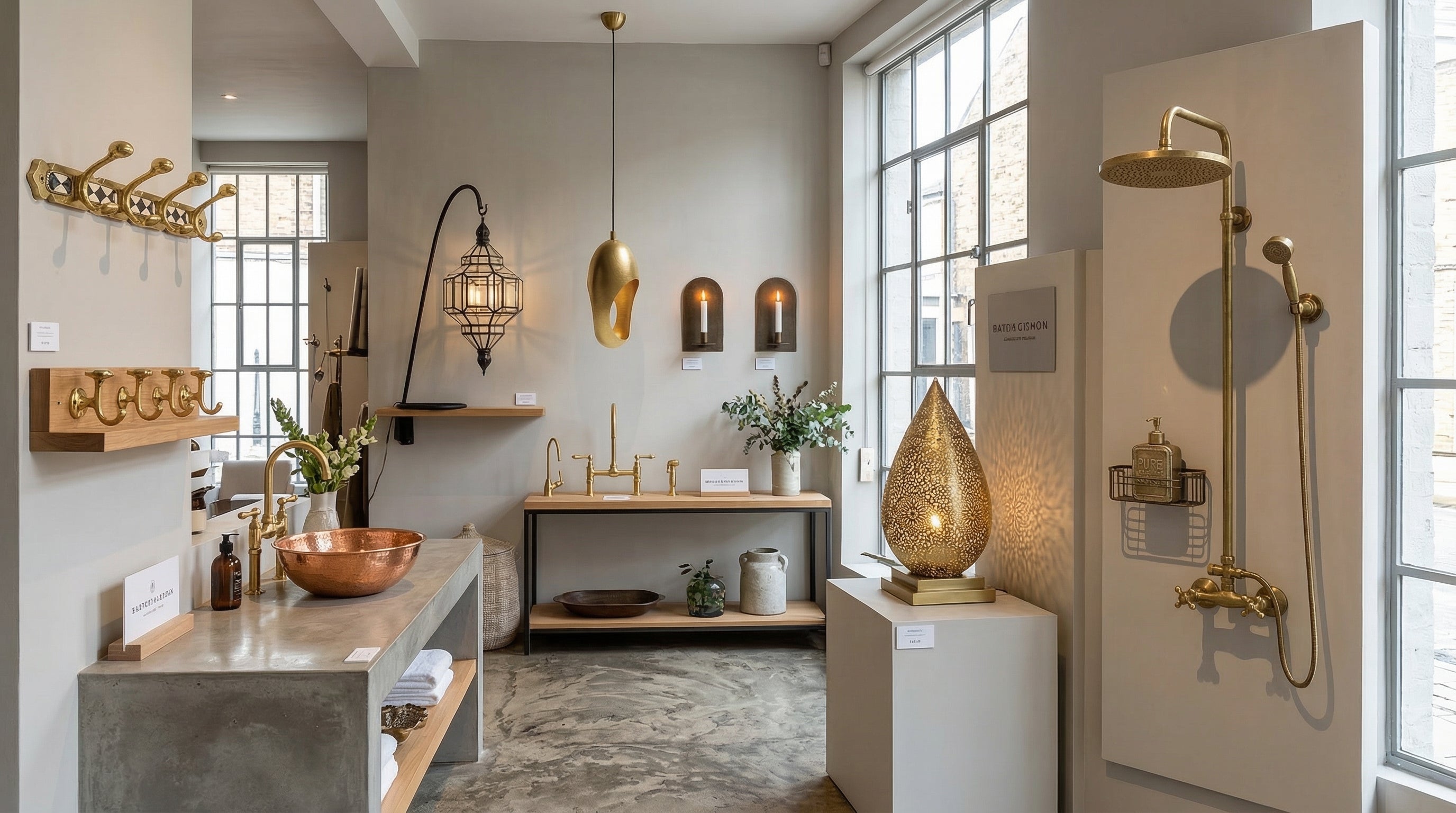
The simplest way to bring poetry to a room is to shape light itself. In Mediterranean interiors, where plastered walls, stone, and natural textures dominate, hand-hammered brass wall sconces turn shadows into soft geometry—guiding the eye, warming cool materials, and anchoring a refined yet soulful atmosphere. This guide distills artisan insight into clear steps you can apply room by room.
Table of Contents
- Why Hand-Hammered Brass Is Different
- Designing With Hand-Hammered Brass Wall Sconces
- The Mediterranean Layering Blueprint
- Room-by-Room Styling
- Proportion, Placement, and Light Quality
- Finishes, Patina, and Care
- Material Pairings and Color Stories
- Small Spaces and Rentals
- Sourcing With Integrity
- How to Build a Cohesive Look
- FAQ
- Conclusion
Why Hand-Hammered Brass Is Different
Machine-polished metal can look clinical. By contrast, hand-hammered brass records the rhythm of the artisan’s work as a dappled surface that breaks up glare and scatters a warmer, more nuanced glow. Each subtle facet becomes a micro-reflector, casting light that feels calmer and more natural—exactly what Mediterranean rooms, with their chalky plasters and tactile fibers, ask for.
Moroccan brasswork is shaped using traditional stakes and hammers, then carefully finished by hand. The slight variances aren’t imperfections; they’re the signature of craft and the source of that sought-after, candlelike radiance. This is why hand-hammered brass wall sconces fit so effortlessly into layered interiors: the metal’s depth of tone harmonizes with limewash, tadelakt, and natural stone without becoming flashy.
Designing With Hand-Hammered Brass Wall Sconces
Before choosing forms and finishes, imagine the path of light through your home. The most successful schemes treat sconces as part of a lighting ensemble—a conversation with the ceiling, floor, and table lights. In entryways and passages, sconces set the tempo; in living spaces, they soften the perimeter; in kitchens and baths, they add dimension and intimacy.
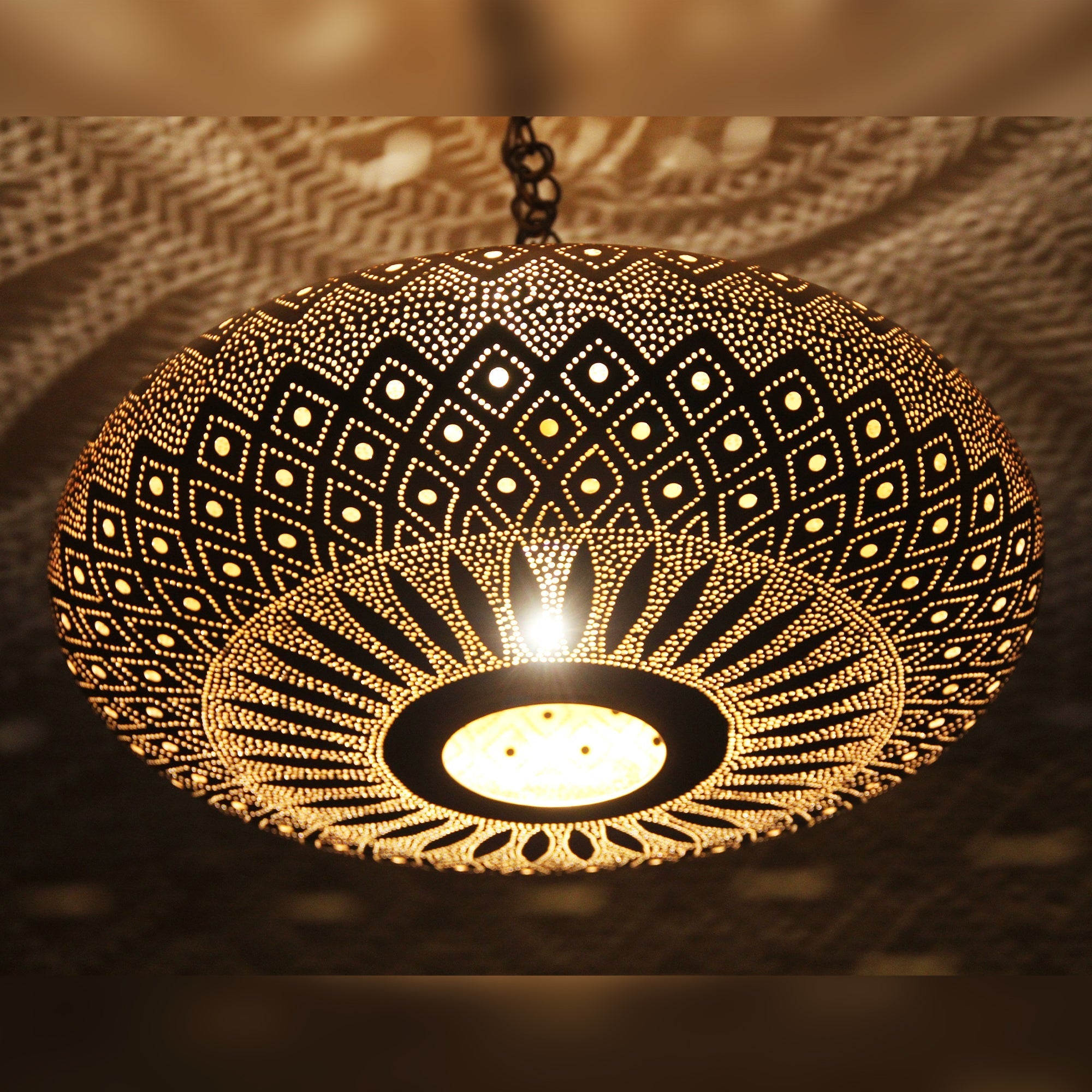
To complement your sconce plan with a delicate canopy of overhead glow, consider introducing pierced designs from our pierced brass ceiling lights. Their filigreed shadows echo the hammered texture of the sconce faceplates and visually unite the vertical and horizontal planes of a room.
The Mediterranean Layering Blueprint
1) Ambient
Think of ambient light as the air in the room—present but not pushy. Use a combination of dimmable overhead pieces and wall sconces to bathe surfaces lightly rather than spotlighting objects. This builds calm and lengthens sightlines.
2) Task
Place brighter, focused light where hands work and eyes read: near banquettes, by a writing desk, flanking a bathroom mirror. For precision tasks, accent with adjustable fixtures and ensure dimmers modulate intensity between day and night.
3) Accent
Use hand-hammered brass wall sconces to graze plaster, highlight stone niches, or frame art. Because hammered brass softens edges, it avoids the harsh, museological feel of hard-edged beams.
Room-by-Room Styling
Entry and Hall
First impressions should feel considered, not contrived. A paired set of sconces at eye level creates a gentle runway of light that makes corridors seem taller and calmer. If your foyer needs a focal glow that dances overhead, coordinate with pierced brass ceiling lights; the interplay of perforated patterns above and hammered facets along the wall creates a warm, welcoming canopy.
Living Room
Perimeter sconces keep the center of the room quiet—perfect for conversations and relaxed evenings. Use asymmetric placements to punctuate bookshelves or a plaster niche. If your space includes a fireplace, a pair of hammered sconces positioned wider than the mantel’s edges will draw the room outward and avoid visual crowding.
Dining
Layer wall light with low, diffuse overhead glow so faces read naturally across the table. If your table is long, consider a rhythmic series of sconces to balance a central fixture. Choose shades or forms that push light up and down rather than straight out; you want dimensionality, not glare.
Kitchen
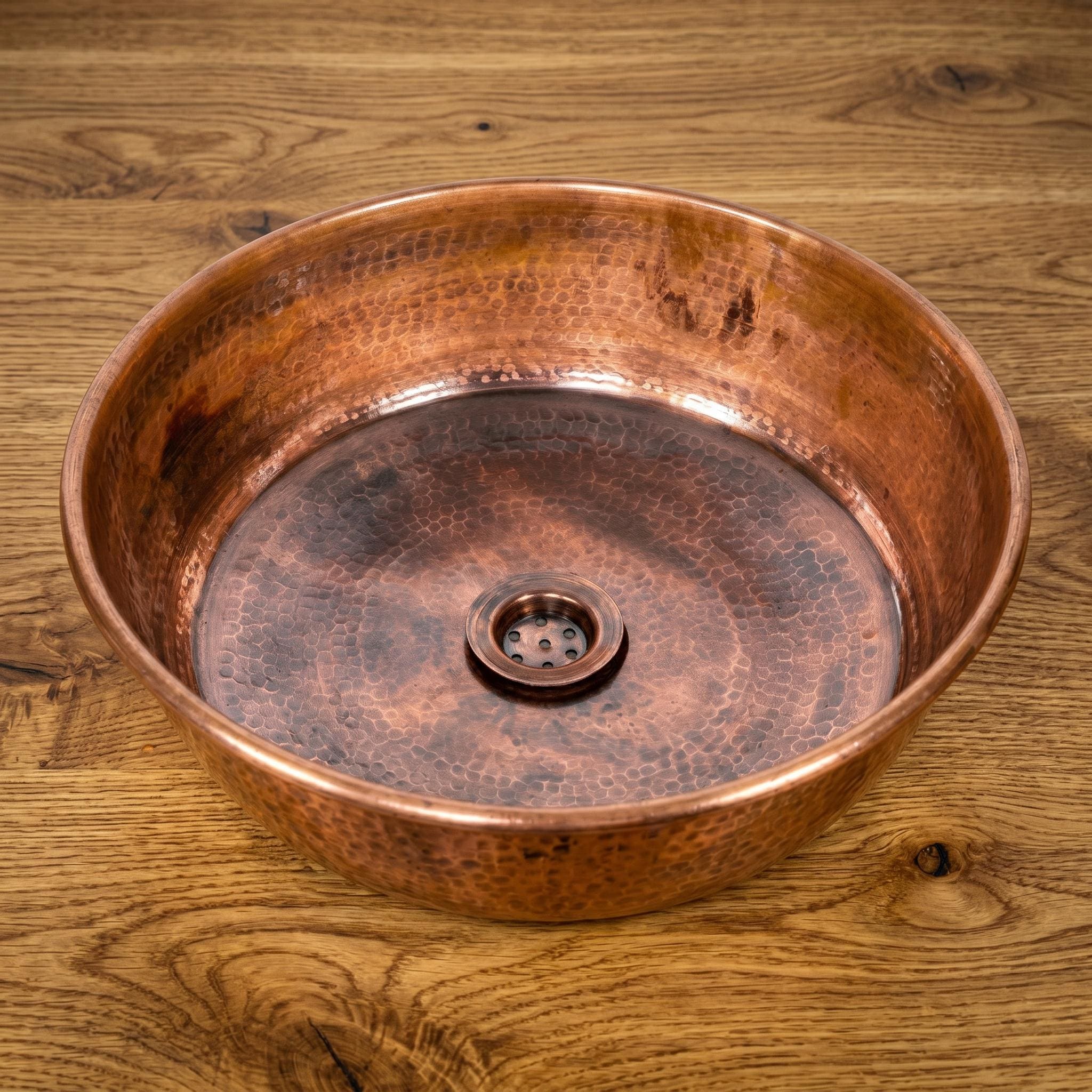
Sconces over a prep shelf or near a breakfast nook bring hospitality to a hard-working zone. In open kitchens that flow to dining, use similar brass finishes across vertical fixtures for continuity. A warm metal note can be echoed by a textured faucet or sink. If you’re building a cohesive suite, explore the timeless patina of a patinated brass sink and pair it with matching bathroom faucets for powder rooms that echo your kitchen’s material story.
Bedroom
Bedside sconces free the nightstand for books and flowers. Aim for warm color temperatures and dimmers. A swing-arm shape—or a gently cupping shade—keeps light comfortable for reading. Repeat the hammered motif in small accents, like a tray or a mirror frame, to complete the vignette without clutter.
Bathroom
Flank the mirror with hand-hammered brass wall sconces at about cheek-to-eye level for flattering, cross-lit illumination. Avoid mounting lights only above the mirror, which can cast harsh shadows. Warm brass provides a soft counterpoint to stone and glass, and ages beautifully in a room that celebrates water and ritual.
Outdoor Loggia or Courtyard
In covered areas, hammer-textured sconces lend a sunset glow that deepens terracotta and limewash. If sea air is part of your life, embrace the living finish; it will mellow into a dignified, salt-kissed patina that suits Mediterranean exteriors.
Proportion, Placement, and Light Quality
Scale and Balance
- For narrow corridors (under 1.2 m / 4 ft wide), choose shallow sconces that hug the wall and cast up-down beams for legibility without crowding.
- In rooms with high ceilings, taller backplates and elongated shades visually stretch the wall and link floor to ceiling.
- As a starting point, the center of a sconce usually reads well around 150–170 cm (60–68 in) from the floor; adjust to your eye level, furnishings, and art.
Spacing and Rhythm
- In halls, a repeat every 180–240 cm (6–8 ft) feels measured and airy. Let doorways and niches set the beat.
- When framing art or mirrors, leave breathing room (10–20 cm / 4–8 in) between edges and fixture shades so the composition looks deliberate.
Glare Control
- Hammered metal diffuses specular highlights; pair with frosted bulbs or fabric-lined shades for further softness.
- Indirect forms that cast light up or down keep walls luminous and faces comfortable.
Dimming and Color Temperature
- Warm-white lamps (about 2700–3000K) flatter plaster and stone, echoing firelight.
- Dimmers let you float between task and mood; they are the difference between adequate and exquisite.
Finishes, Patina, and Care
One of the joys of hammered brass is its living finish. Mediterranean interiors come alive with materials that record time—zellige, timber, plaster—so a static, lacquered shine can feel out of place. Allow a natural patina to bloom or select a pre-aged finish to bridge new fixtures with older architecture.
Everyday Care
- Dust regularly with a soft, dry cloth. For fingerprints, use a barely damp microfiber, then dry thoroughly.
- Avoid ammonia, bleach, and abrasive pads; they flatten the hand-hammered texture and strip character.
- If you prefer a brighter tone, use a gentle brass polish sparingly, focusing on high-touch areas to keep contrast and depth.
Material Pairings and Color Stories
Brass is a chameleon. In a white-limewashed room, it reads as a sun note; in raw stone, it becomes an ember. Consider these successful pairings:
- Zellige & Tadelakt: The ripple of zellige amplifies the hammered pattern; tadelakt’s soft sheen mirrors brass’s warmth without glare.
- Linen and Wool: Natural fibers absorb light and prevent sparkle from feeling sharp.
- Stone and Terra Cotta: Warm brass prevents stone from going cold; terra cotta and brass form a classic Mediterranean duet.
At the table, echo the light with small accents—a cluster of solid brass candle holders will reference the sconce finish and gather the room’s glow for evenings that feel unhurried.
Small Spaces and Rentals
If hardwiring isn’t possible, look for plug-in sconces or surface-mounted pieces with discreet cord management. Keep shades shallow, and mount pairs slightly higher to increase the perception of height. For color continuity, repeat the brass tone in one or two compact accessories so the metallic note reads as intentional, not incidental.
Sourcing With Integrity
Moroccan artisans learn by apprenticeship, passing techniques hand-to-hand. When you choose hand-hammered brass, you’re sustaining a living ecosystem of skill. Seek fixtures with traceable provenance and finishes achieved through thoughtful, low-waste methods. Quality reveals itself in the weight of the metal, the crispness of edges, and the quiet irregularity that only handwork can yield.
How to Build a Cohesive Look
1) Choose Your Primary Voice
Let hand-hammered brass wall sconces be the lead instrument. Everything else—overhead fixtures, small accents—should harmonize rather than compete. To echo without duplicating, explore textural overhead pieces within our curated selection of pierced brass ceiling lights.
2) Repeat, Don’t Replicate
Across rooms, repeat the hammered motif but vary scale and form. In the kitchen, a modest sconce over a shelf; in the living room, a taller backplate. This keeps the house coherent but not predictable.
3) Bridge Wet and Dry Spaces
Carry the story into baths and powder rooms by riffing on the same metal language. A tactile faucet alongside a vessel in warm metal brings the look full circle. Consider pairing a brass sink in a satin patina with heritage-inspired bathroom faucets so the sconces read as part of a complete, considered suite.
4) Styling Touches
Finish with a few purposeful details—perhaps a carved bowl for keys under an entry sconce, or a woven runner catching the light on a stair landing. In high-traffic areas, a simple row of solid brass wall hooks can echo the sconce finish while adding function and rhythm to the wall.
Alt Text Tip for Your Mood Board
When you document your project images, describe them in a way that benefits accessibility and search. Example alt text that aligns with this guide: “Mediterranean living room with hand-hammered brass wall sconces, limewashed walls, and tadelakt fireplace.”
FAQ
What mounting height works best for wall sconces?
As a starting guideline, center the sconce around 150–170 cm (60–68 in) above the floor, then adjust to eye level, furniture height, and art placement. In bathrooms, flank the mirror at cheek-to-eye height for flattering cross-light.
How far apart should I space sconces in a hallway?
Plan a repeat every 180–240 cm (6–8 ft), letting doorways and niches set the rhythm. Fewer, larger sconces can be just as effective as more frequent, smaller ones—choose the composition that suits your architecture.
Should my sconces match my ceiling fixtures?
They should harmonize, not necessarily match. Repeating a material (hammered brass) while varying silhouette or scale keeps the design layered and personal.
What bulb color temperature should I use?
Warm-white (about 2700–3000K) suits Mediterranean palettes, enhancing plaster, stone, and wood. Use dimmers to transition from task brightness to evening glow.
Will brass tarnish in bathrooms or near the sea?
Yes, and that’s part of its charm. Moisture and salt encourage a living patina. If you prefer a steadier tone, choose pre-aged finishes or maintain with occasional gentle polish on high-touch areas.
How do I clean hammered brass without damaging it?
Dust with a soft, dry cloth. For smudges, use a lightly damp microfiber and dry immediately. Avoid harsh chemicals and abrasives that can flatten the hammered texture.
Can I use plug-in sconces in a rental?
Absolutely. Choose plug-in designs with tidy cord management and shallow profiles. Mount slightly higher to enhance perceived height, and coordinate the metal tone with one or two small accessories for cohesion.
Conclusion
Light shapes mood, and mood shapes memory. In rooms grounded by plaster, stone, and linen, hand-hammered brass wall sconces offer a hushed, enduring radiance that feels at once ancient and current. Treat them as part of a layered composition—echoed in your overheads, anchored by honest materials, and refined by time—and your Mediterranean spaces will glow with the ease of places long loved.