Cart
0
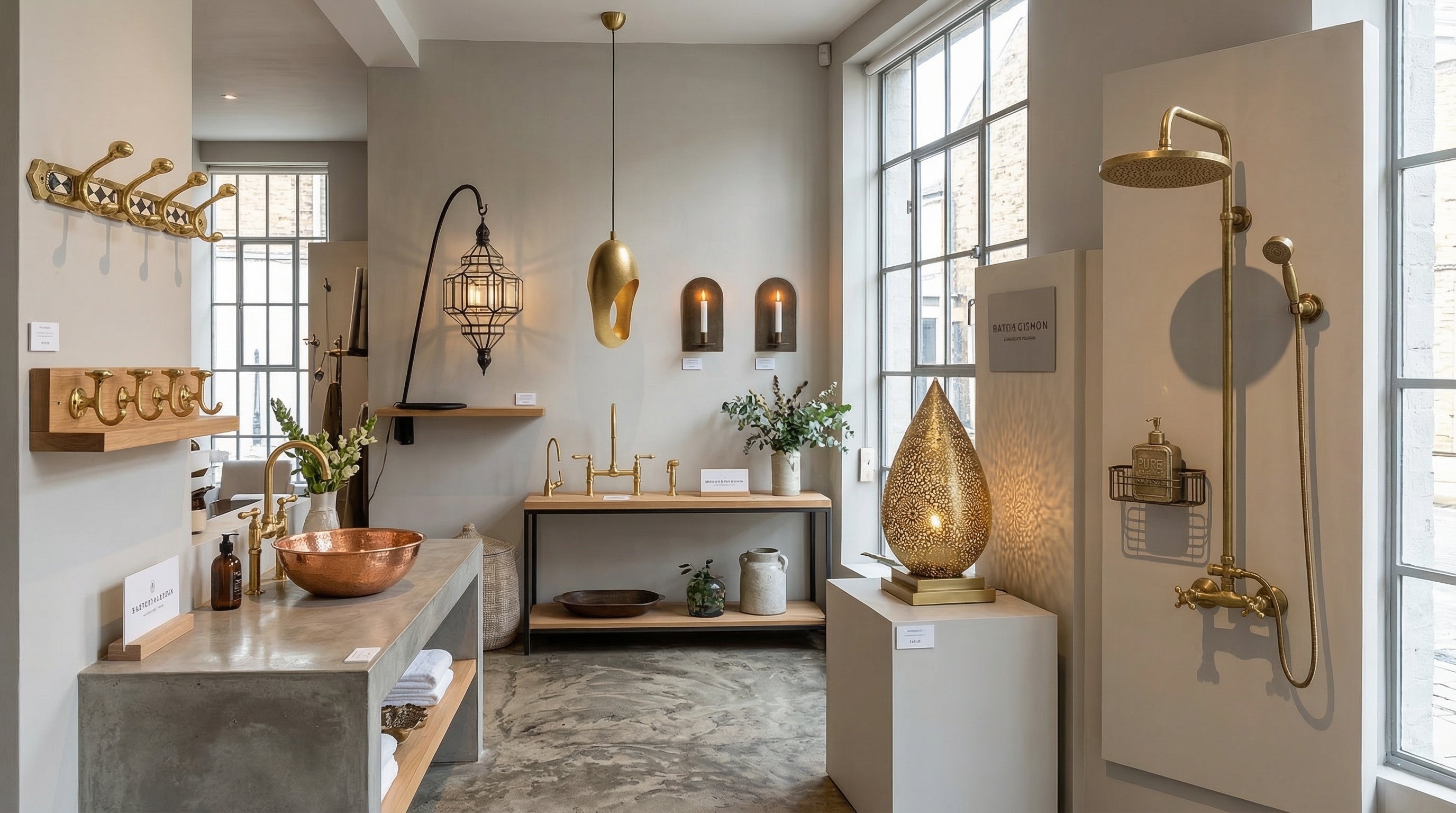
There is a quiet luxury to a room that exudes calm even before the water runs. In Moroccan riads and Mediterranean villas, that instinctive serenity often begins with brass bathroom fixtures—pieces shaped by hand, warm to the eye, and beautifully alive with light. This guide distills the art of crafting a spa-like sanctuary at home, blending Moroccan craftsmanship with Mediterranean ease to create a bathroom that restores you daily.
Table of Contents
- Why Brass? The Soul of Moroccan Craft
- Why Choose Brass Bathroom Fixtures
- Materials and Palette: Mediterranean Harmony
- Designing the Ritual: Zones for Rest and Renewal
- Focal Points: Sinks, Faucets, and Showers
- Lighting, Reflections, and the Dance of Patina
- Finishes: Unlacquered vs. Sealed Brass
- Care and Maintenance for Lasting Beauty
- Sustainability and Heirloom Quality
- Styling Touches Inspired by Moroccan Riads
- Common Mistakes to Avoid
- Installation Insights for a Flawless Result
- FAQ
- Conclusion
Why Brass? The Soul of Moroccan Craft
Morocco’s legacy of metalwork is defined by a conversation between hand and material. In markets from Marrakech to Fes, brass is cut, hammered, turned, and polished under skilled hands that prize proportion, rhythm, and light. The result is tactile: a living surface with subtle variations that no machine can replicate.
Traditional techniques—like hand-hammering to strengthen and texture, precise turning for spouts and handles, and careful polishing to achieve a soft glow—imbue fixtures with personality. You feel it in the weight of a lever, the arc of a spout, the quiet confidence of a finish that grows more beautiful with time.
Why Choose Brass Bathroom Fixtures
Beyond beauty, brass bathroom fixtures bring functional advantages that make them a natural choice for a spa-inspired space:
- Durability and longevity: Solid brass resists corrosion, ideal for humid environments.
- Warmth and tactility: Brass adds visual warmth to stone, plaster, and tile.
- A living finish: Especially in unlacquered brass, the surface develops a graceful patina that softens with use and time.
- Timelessness: Unlike trend-led finishes, brass is a classic in Mediterranean and Moroccan interiors, resonating across styles from traditional to minimal.
Materials and Palette: Mediterranean Harmony
Pairing materials thoughtfully is the foundation of serenity. Borrow from the Moroccan and Mediterranean canon to achieve a quiet, balanced palette.
Tadelakt, Plaster, and Stone
Tadelakt—a natural lime plaster honed with olive soap—creates continuous, softly reflective walls and shower niches. It feels cloud-like yet water-resistant when applied by trained artisans. Complement with limestone or travertine floors for a matte, earthy base.
Zellige and Subtle Pattern
Hand-cut zellige tiles introduce glimmering variation. Use a restrained approach: a shower wall, a vanity backsplash, or a framed panel behind the tub. The slight irregularity amplifies the glow of brass without visually overwhelming the room.
Textural Balance
- Matte tadelakt amplifies the warmth of polished brass.
- Honed stone grounds the room and balances reflective surfaces.
- Natural wood—cedar or walnut—adds depth and an organic counterpoint.
Designing the Ritual: Zones for Rest and Renewal
A spa-like bathroom is designed around rituals of arrival, cleansing, and restoration. Consider the choreography of daily use.
Arrival and Unwind
As you enter, create a soft landing: a low bench, a woven basket for towels, and a place to hang a robe. This is where brass can be tactile, not only beautiful—add solid hooks and a slender shelf to quietly signal order.
The Cleansing Core
Keep sightlines clear. Allow the eye to find one or two focal points, such as a stunning vessel sink and a sculptural shower system. Recessed niches hold essentials without clutter, and a single slab shelf in stone or tadelakt reduces visual noise.
Rest and Reflection
Soft light, gentle fragrance, and a seat near a window (even small) invite you to linger. A mirror centered to capture natural light—and framed or subtly beveled—elevates the daily ritual.
Focal Points: Sinks, Faucets, and Showers
Anchor your space with artisan pieces that balance simplicity and soul. Consider how the hand and water meet—this is where design becomes felt, not just seen.
The Basin
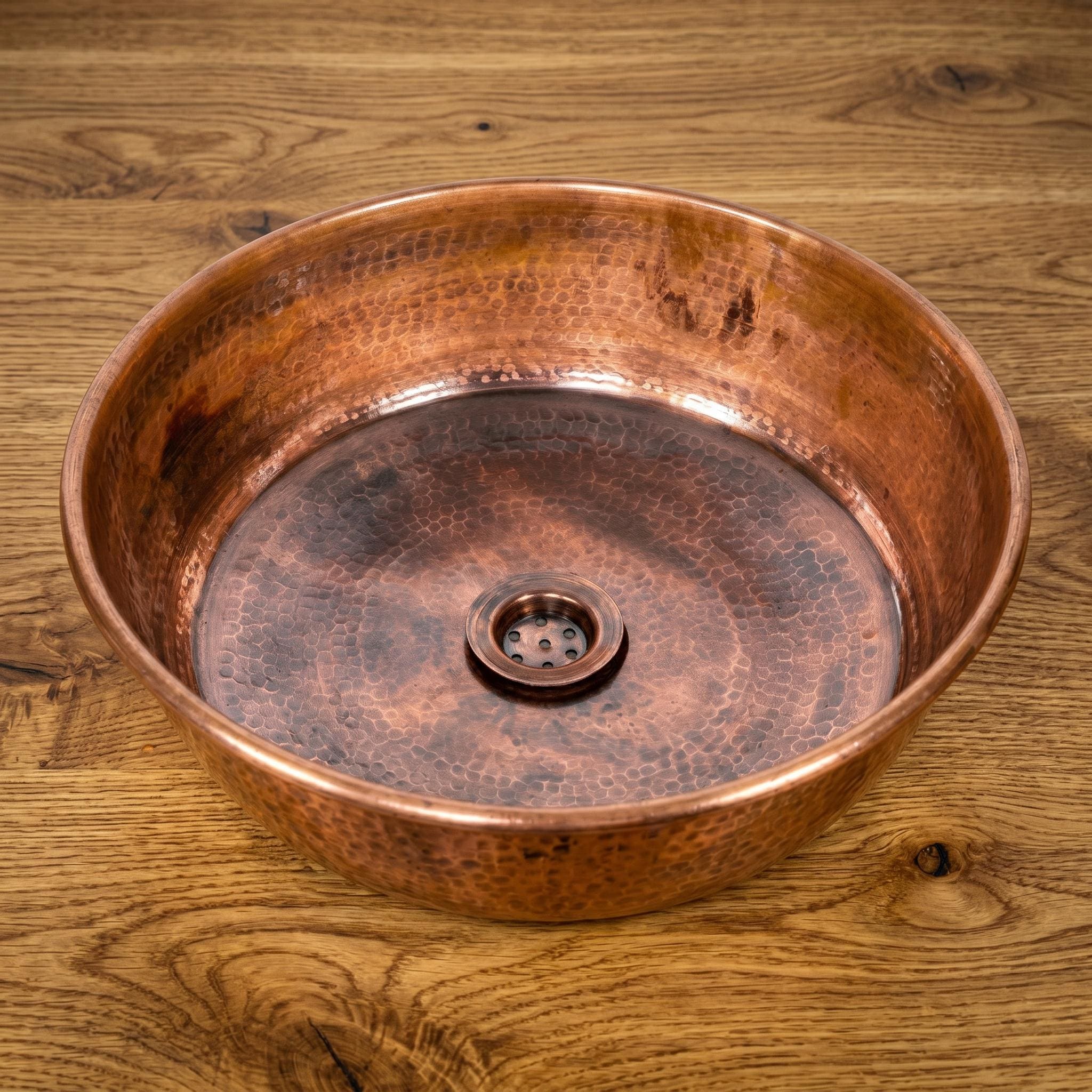
A basin is a sculptural statement. Hammered or smooth, round or oval, the basin’s edge and depth affect comfort and splashing. Explore our selection of handcrafted brass sinks to set a luminous focal point that pairs seamlessly with tile or tadelakt.
The Faucet
Choose a spout with a graceful arc and well-weighted handles. Wall-mounted faucets carve visual calm, keeping the counter clear. For timeless silhouettes shaped by Moroccan artisans, discover our curated bathroom faucets in solid brass designed for enduring daily use.
The Shower
Think of the shower as a personal hammam: a generous rain head, a hand shower for ritual cleansing, and intuitive controls placed at a comfortable reach. Coordinating metals create harmony across components; our range of matching brass shower fixtures ensures consistency of finish and form from valve trim to shower head.
Quiet Utility: Hooks and Rails
Order supports serenity. Place hardware where it’s needed—by the door, next to the shower, beside the vanity. Opt for substantial, well-finished pieces like solid brass wall hooks that feel good in the hand and age beautifully with use.
Lighting, Reflections, and the Dance of Patina
Light shapes brass. In the Mediterranean, interiors glow with reflected warmth rather than harsh brightness. Aim for layered, low-glare illumination that flatters both surfaces and skin.
- Ambient: Soft, indirect ceiling light that washes walls rather than spotlights.
- Task: Pair sconces on either side of the mirror for even, shadow-free light at face level.
- Accent: A subtle glow in niches or under a floating counter to create depth at night.
Mirrors extend this light. A rounded rectangle or arch hints at Moorish curves without overt motif, while beveled edges add a fine, jewelry-like detail to echo your brass. As light grazes unlacquered brass, expect evolving shades—honey, champagne, deepened gold—that enrich the room’s character.
Finishes: Unlacquered vs. Sealed Brass
Choosing among brass finishes sets the tone for how your bathroom will age and how much maintenance you prefer.
Unlacquered Brass
Warm, authentic, and dynamic, unlacquered brass is a living finish. It will deepen in color, showing subtle variations where it’s touched and where water dries. In a Mediterranean-inspired bath, this quiet evolution brings soul and softness to sleek planes.
Sealed or Lacquered Brass
For a more static appearance, sealed brass maintains its color longer and resists fingerprints. It’s practical for busy households or high-touch zones, though it sacrifices the poetry of patina.
Texture and Sheen
- Polished: Luminous and reflective, ideal against matte tadelakt.
- Brushed: Velvety and forgiving, pairing well with honed stone.
- Hammered: A handcrafted texture that scatters light softly and hides minor water spotting.
Care and Maintenance for Lasting Beauty
Well-chosen brass rewards gentle, regular care. A thoughtful routine keeps fixtures luminous without stripping their character.
Daily and Weekly Routine
- After use, a quick wipe with a soft, dry cloth prevents mineral spots.
- Weekly, clean with warm water and a drop of mild, pH-neutral soap; rinse and dry thoroughly.
- Avoid vinegar, bleach, and citrus-based cleaners that can etch the surface.
Hard Water Considerations
If you have hard water, an inline filter or water softener protects both brass and stone. For gentle descaling, apply a paste of baking soda and water to problem areas, let it sit briefly, then rinse and dry—never scrub with abrasives.
Optional Waxing
A microcrystalline or beeswax polish, applied sparingly every few months, can refine the sheen and slow spotting on unlacquered brass without sealing away its living finish.
Sustainability and Heirloom Quality
Brass is infinitely recyclable and remarkably long-lived, making it a responsible choice. By selecting artisan-made fixtures crafted in small workshops, you support skills passed through generations, ensure repairability, and reduce the churn of short-lived trends. In a world of the disposable, heirloom brass stands apart—aging with grace and carrying stories forward.
Styling Touches Inspired by Moroccan Riads
Once the core is in place, edit your styling to honor quiet luxury and sensory detail.
- Textiles: Thick, hand-loomed towels in ecru or sand; a flatwoven bath mat with a subtle border.
- Aroma: Eucalyptus, orange blossom, or cedar. A single note smells more like ritual than perfume.
- Objects: A carved stone tray, a simple clay vase, or a small palm basket to gather daily essentials.
- Greenery: A branch of olive or rosemary in a narrow-neck vessel—restrained, sculptural, seasonal.
- Mirrors and arches: A gentle curve hints at Moorish lineage without pastiche.
Common Mistakes to Avoid
- Overmixing metals: One primary finish (brass) plus a quiet secondary (e.g., aged iron) is enough.
- Too much pattern: If you choose zellige or a boldly veined stone, keep other surfaces calm.
- Harsh lighting: Blue-white LEDs flatten brass; opt for warm 2700–3000K tones.
- Ignoring proportion: A delicate spout looks lost over a deep vessel; scale fixtures to the basin and space.
- Clutter: Serenity requires storage; build niches and hidden compartments early in the design.
Installation Insights for a Flawless Result
Craftsmanship isn’t only about what you see—it’s also about what works beautifully day after day. Align design vision with practical details for a seamless build.
Wall-Mounted Faucets
- Verify rough-in depth and spout projection suited to your basin’s shape and height.
- Center the spout to the drain for a clean fall of water and minimal splash.
- Set handle height for intuitive reach, typically level with or slightly above the spout.
Shower Systems
- Plan control placement at the entrance to avoid cold sprays during start-up.
- Ensure proper waterproofing behind tadelakt or tile, with careful attention to niches and corners.
- Coordinate flow rates across components to maintain comfort and performance.
Basins and Counters
- For vessel sinks, set counter height lower to maintain ergonomic comfort.
- Seal stone adequately; avoid overhangs that create drips at wood cabinetry below.
- Choose an overflow strategy that suits your basin type and household needs.
FAQ
Will unlacquered brass stain or discolor?
Unlacquered brass develops a natural patina that deepens and softens over time. Water spots can appear if left to dry; a quick wipe after use keeps variation elegant rather than messy. Many homeowners love this living finish because it feels authentic and warm.
Is brass suitable for high-humidity bathrooms?
Yes. Solid brass is highly resistant to corrosion, making it an excellent choice for humid spaces. Quality fixtures with proper installation offer decades of service.
How do I prevent water spots with hard water?
Install a softener or filter if possible, and adopt a fast towel-dry routine. For occasional buildup, use a mild, non-acidic cleaner and avoid abrasive pads.
Can I mix brass with other metals?
Absolutely—do so with intention. Keep brass as the hero, and add one secondary metal sparingly (perhaps blackened steel in a mirror frame) to maintain visual clarity.
What’s the difference between polished and brushed finishes?
Polished brass is reflective and luminous, ideal for contrast with matte walls. Brushed brass is softer, with directional texture that hides fingerprints and pairs well with honed stone.
Do I need to seal unlacquered brass?
No. Sealing halts patina development. If you prefer a stable tone, choose sealed brass from the start. Otherwise, light waxing offers a middle path without locking the surface.
Conclusion
In Moroccan homes, the bath is both a practical room and a place of restoration. When you begin with brass bathroom fixtures—patiently crafted, warm to the touch, and honest in their aging—you set the stage for a space that calms the senses and endures with grace. Anchor the composition with artisan sinks, faucets, and shower components; frame them with matte plasters, honest stone, and quiet light. Then edit—so each object earns its place, every line feels considered, and the room breathes. The result is a sanctuary that welcomes you, morning and evening, with the unhurried beauty of the Mediterranean.